Genres
Artists
Albums
Make Music
Sign in
Sign in
Artists
J-Rock
Artists
J-Rock
FATE GEAR
Listen
2
/5
Genres
Kawaii Metal
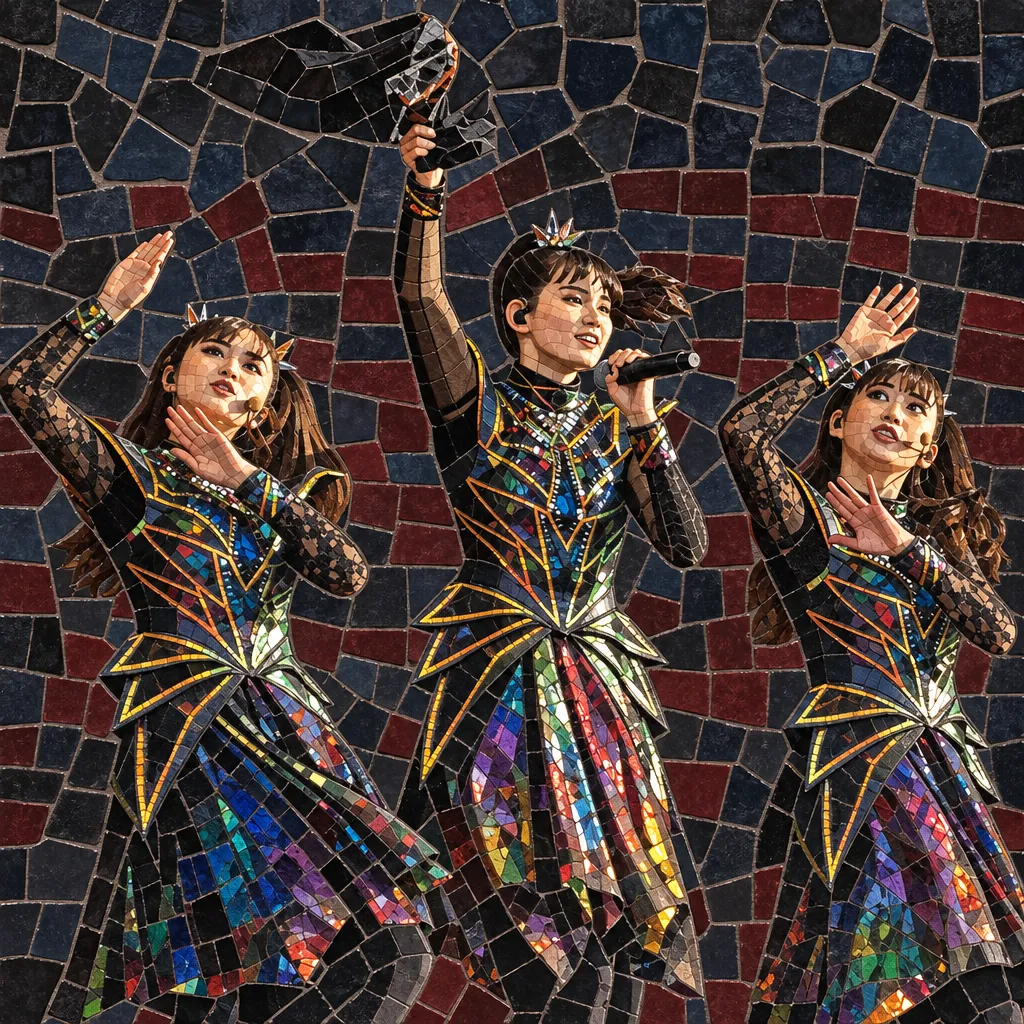
Kawaii metal (often called "cute metal") fuses the bright, bubbly melodies and idol aesthetics of J‑pop with the high-gain guitars, double‑kick drumming, and riff‑driven power of heavy metal. It pairs sugar‑sweet group vocals, chants, and call‑and‑response hooks with thrash and power‑metal riffing, metalcore breakdowns, and occasional electronic flourishes. Beyond sound, the genre is defined by its striking visual presentation: colorful costumes, choreographed dance routines, and a playful, high‑energy stage presence that contrasts with traditionally aggressive metal sonics. This juxtaposition—cuteness meeting heaviness—is the core of its appeal.
Discover
Listen
Alternative Idol
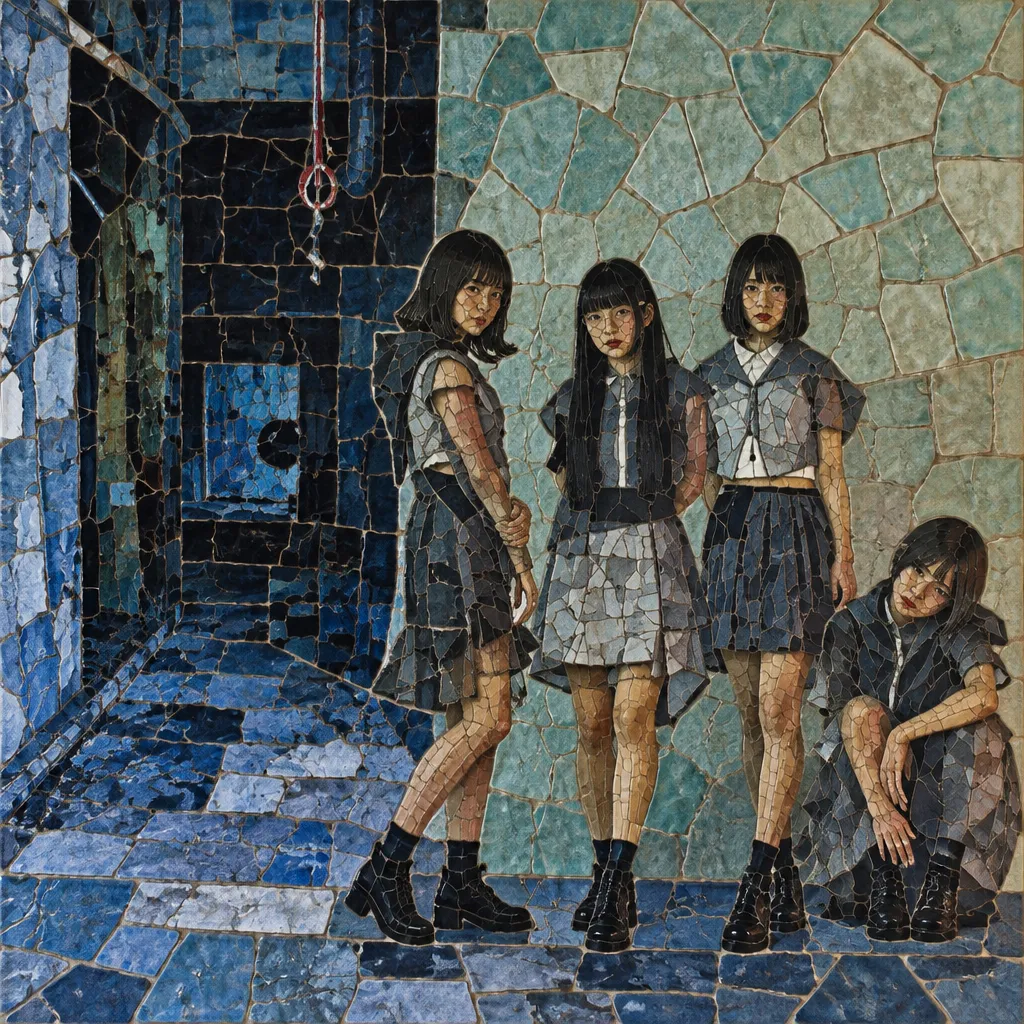
Alternative idol (often shortened to alt-idol) is a Japanese offshoot of the idol scene that fuses conventional pop-idol vocal formats and choreography with underground and left-field music aesthetics. Instead of polished, uniformly cheerful arrangements, alternative idol projects lean into punk, post-punk, noise, metal, industrial, and experimental electronics, often embracing darker themes, abrasive timbres, and performance-art sensibilities. The result preserves the immediacy, hooks, and audience participation of idols while introducing unpredictable song structures, heavier guitars, club-ready drops, screams or harsh vocals, and conceptual imagery. Visually and lyrically, alt‑idol cultivates a self-aware, sometimes subversive response to mainstream idol culture—playing with vulnerability, catharsis, and satire—yet still prioritizing big choruses, chantable hooks, and high-energy live shows.
Discover
Listen
Power Metal
Power metal is a fast, melodic, and anthemic branch of heavy metal that emphasizes uplifting melodies, soaring clean vocals, triumphant choruses, and virtuosic guitar and keyboard leads. Its lyrical focus often centers on fantasy, mythology, historical epics, and heroic narratives, aiming for a cinematic sense of grandeur. The genre coalesced in the mid-1980s from the speed and melody of NWOBHM and speed metal, then split into two recognizable strains: the more aggressive, riff‑driven U.S. power metal and the highly melodic, keyboard‑rich European style. Hallmarks include double‑bass drumming, harmonized twin‑guitar lines, neoclassical flourishes, and rousing sing‑along refrains designed for large audiences.
Discover
Listen
Visual Kei
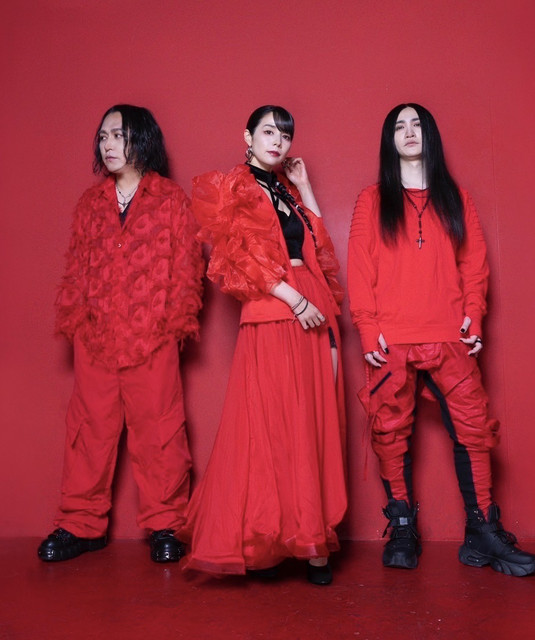
Visual kei is a Japanese rock/metal-centered movement defined as much by its theatrical, gender-fluid visual presentation as by its sound. Bands employ elaborate makeup, dramatic hairstyles, flamboyant or gothic costumes, and stylized stagecraft to create a total art experience that fuses music and spectacle. Musically, visual kei spans hard rock, heavy/speed metal, punk/post-punk, new wave, and gothic influences, often blending melodic hooks with virtuosic guitar work, dynamic arrangements, and emotionally charged vocals. Lyrical themes commonly explore romance, decadence, existential angst, fantasy, and nostalgic longing, while arrangements may incorporate strings, synths, or piano for cinematic effect. Substyles like kote kei (early, heavier), Nagoya kei (darker, post-punk/goth-leaning), and later softer or pop-inflected variants illustrate its breadth and evolution.
Discover
Listen
Heavy Metal
Heavy metal is a loud, guitar-driven style of rock defined by heavily distorted riffs, thunderous drums, and powerful vocals. Its musical language emphasizes minor modes, modal (Aeolian, Phrygian) riffing, and energy over groove, often featuring virtuosic guitar solos and dramatic dynamic contrasts. Emerging from late-1960s blues rock and psychedelic experimentation, heavy metal codified a darker, heavier sound with bands like Black Sabbath, Deep Purple, and Led Zeppelin. The genre values weight, intensity, and grandeur—whether through plodding, doom-laden tempos or galloping, high-energy rhythms—paired with themes that range from personal struggle and social critique to fantasy, mythology, and the occult.
Discover
Listen
J-Rock
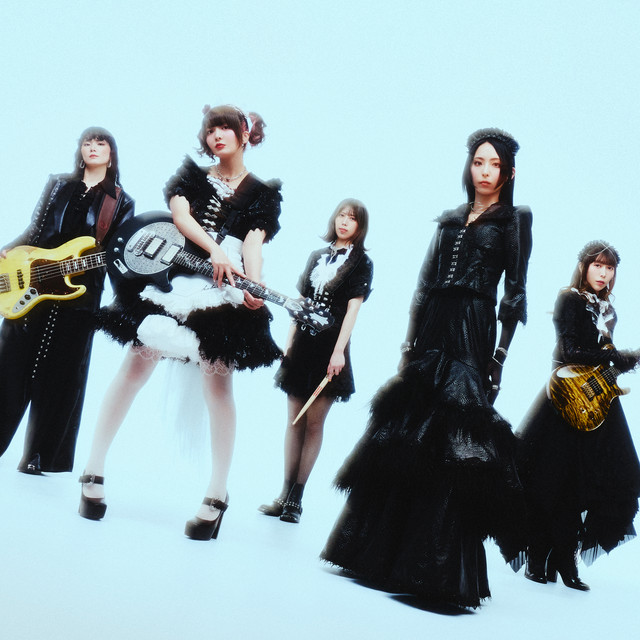
J-rock (Japanese rock) is the umbrella term for rock music created in Japan, spanning everything from classic rock, punk, and metal to alternative, indie, and progressive strains. It blends Western rock instrumentation and songcraft with Japanese melodic sensibilities, crisp production, and lyrics primarily in Japanese (often mixed with some English phrases). Typical features include hook-forward choruses, expressive guitar leads, tight rhythm sections, and dynamic arrangements that can pivot from delicate verses to big, anthemic refrains. Because of Japan’s media ecosystem, J-rock frequently intersects with anime, TV dramas, and video games, which helps bands reach mainstream audiences while retaining a band-centric, live-performance identity. Although stylistically diverse, J-rock commonly emphasizes memorable melodies, emotional catharsis, and precise musicianship, with influences ranging from British Invasion and classic rock to punk/new wave, progressive rock, and heavy metal.
Discover
Listen
Similar artists
2
/5
TEARS OF TRAGEDY
J-Rock
Power Metal
Symphonic Metal
3
/5
BAND-MAID
Kawaii Metal
Idol Rock
Hard Rock
3
/5
GALNERYUS
Power Metal
Neoclassical Metal
Anime
3
/5
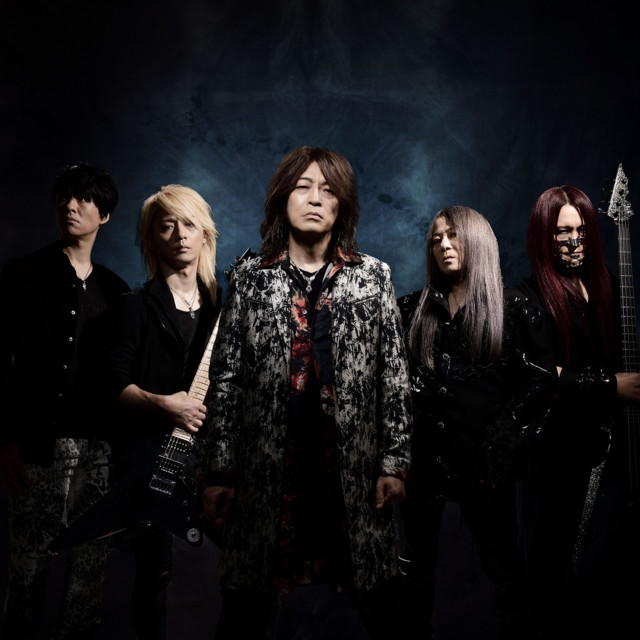
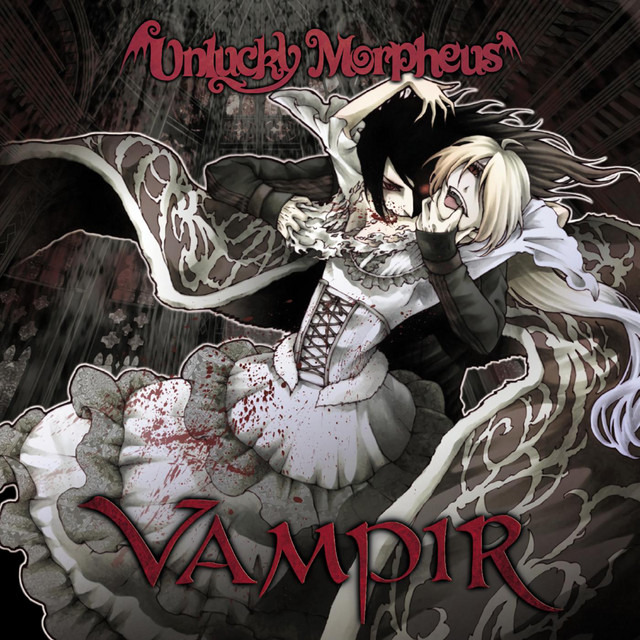
Unlucky Morpheus
Power Metal
Symphonic Metal
J-Rock
2
/5
LADYBABY
Kawaii Metal
Idol Rock
J-Rock
2
/5
Release Hallucination
Kawaii Metal
Gothic
J-Rock
2
/5
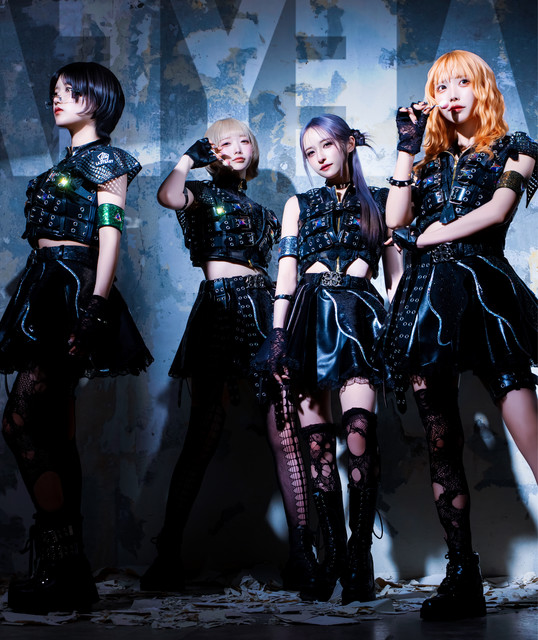
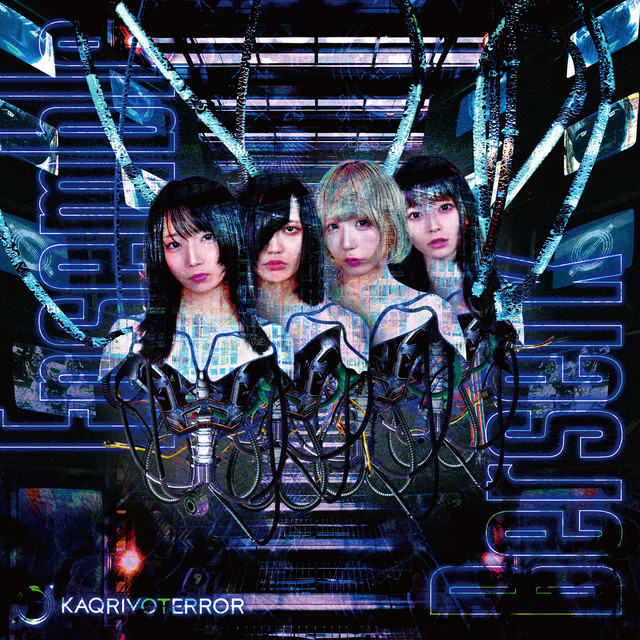
KAQRIYOTERROR
Kawaii Metal
J-Rock
Visual Kei
2
/5
UNDEAD CORPORATION
J-Rock
Kawaii Metal
Nu-Metalcore
2
/5
NECRONOMIDOL
Kawaii Metal
Alternative Idol
J-Rock
2
/5
SYU(from GALNERYUS)
J-Rock
Power Metal
Visual Kei
Download our mobile app
Get the Melodigging app and start digging for new genres on the go
Download on the App Store
Get it on Google Play
© 2026 Melodigging
Give feedback
Legal
Melodding was created as a tribute to
Every Noise at Once
, which inspired us to help curious minds keep digging into music's ever-evolving genres.