Genres
Artists
Albums
Make Music
Sign in
Sign in
Artists
Digital Horror
Artists
Digital Horror
Evan Alderete
Listen
3
/5
Genres
Digital Horror
Digital horror is a contemporary horror aesthetic that focuses on dread emerging from networked technologies, software, and always‑on media. Narratives and sound worlds revolve around screens, social platforms, livestreams, malware, deepfakes, and the uncanny presence of algorithmic systems. In music and sound design, the style translates this fear of the digital into glitching textures, corrupted audio artifacts, synthetic drones, and the weaponization of familiar interface sounds (alerts, keyboards, notification pings). It often blends dark ambient, industrial noise, and hauntological sampling to suggest threats that live inside code, clouds, and data centers—consistent with the wider definition that emphasizes anxiety and supernatural menace arising from the Internet and modern media.
Discover
Listen
Gamecore
Gamecore is an internet-native electronic microgenre that fuses the timbres, melodies, and narrative tropes of classic and modern video game music with contemporary EDM songcraft. Its palette leans heavily on chiptune waveforms (square, triangle, noise), retro console/arcade sound effects, and leitmotif-style hooks, but frames them within club-forward rhythms and sound design drawn from electro house, future bass, glitch hop, dubstep, and drum & bass. The result is a bright, kinetic, and often nostalgic sound that feels like a “boss battle” drop or a euphoric level clear. Scenes and labels tied to VGM remix culture, doujin circles, and demoscene aesthetics helped codify the style, while streamers, esports content, and indie game culture amplified its reach.
Discover
Listen
Otacore
Otacore is a fan-driven, internet-native umbrella for music centered on anime, manga, gaming, and broader otaku culture. Rather than a single strict musical style, it describes a cluster of scenes where pop, electronic, rock, and rap intersect with anime aesthetics, story tropes, and character/fandom references. Typical otacore repertoires include Vocaloid productions, anisong-style pop/rock, high-energy EDM with kawaii sound design, nightcore-style edits, game-inspired chiptune flourishes, and cover cultures (English/Japanese) tied to anime and game franchises. Distribution and discovery are powered by platforms such as Nico Nico Douga, YouTube, SoundCloud, streaming playlists, and later TikTok, where memeability, fan videos (AMVs), and vtuber performances help songs spread globally.
Discover
Listen
Pixel
Pixel is an internet-born microgenre that blends chiptune’s 8‑ and 16‑bit timbres with glossy, high‑energy electropop and hyperpop production. You’ll hear pulse‑width‑modulated square leads, triangle basses, noise‑channel snares, rapid arpeggios that imply chords, and lots of game‑console sound design (NES/SNES/Genesis palettes). Melodies are bright and hooky, arrangements are tightly quantized and often very fast, and sound design leans “cute,” cartoonish, and ultra‑synthetic. Producers frequently add modern touches—side‑chain pumping, OTT compression, hard clip/bit‑crush distortion, and pitched/Auto‑Tuned vocals—so the result feels at once retro and contemporary. Aesthetically it signals retro‑gaming and net culture: UI bleeps, item‑pickup stingers, and level‑up flourishes sit alongside maximal, sugary pop writing. Typical tempos range from 120–170 BPM, with common detours into double‑time or halftime drops.
Discover
Listen
Digital Fusion
Digital fusion blends the hardware‑limited timbres of Chiptune and Bit Music with the harmonic language and arranging scope of jazz fusion, cinematic/classical writing, progressive music, and contemporary electronic production. Producers often start with authentic chip palettes (NES, Game Boy, YM2612/Genesis, or tracker/sample-based 8/16‑bit sets), then write harmonically rich progressions, orchestrate with layered synths and sample libraries, and sometimes add live performers (saxophone, guitar, bass, drums, strings). The result feels both retro and forward‑looking: agile, rhythmically intricate, melodically ear‑catchy, and frequently “filmic” in scope. Compared with straight Chiptune, digital fusion leans harder into jazz harmony, odd meters, and cinematic development; compared with jazztronica, it keeps a stronger attachment to console/arcade sound design and tracker‑style articulation.
Discover
Listen
Glitch
Glitch is an experimental electronic music genre that foregrounds the sounds of technological error—digital clicks, pops, clipping, buffer underruns, CD skipping, software crashes, and bit‑reduction. Rather than hiding artifacts, producers use them as primary musical material, often arranged through extreme micro‑editing and non‑linear sequencing. Texturally, glitch spans austere minimalism to warm, hazy ambience. Rhythms tend to be fragmented and asymmetrical, with sudden cuts, stutters, and silences that create tension and negative space. The palette commonly includes sine‑tone grains, granular clouds, filtered noise, and hyper‑detailed percussive fragments, sometimes sitting over subdued drones or dub‑inflected low end. The style emerged in the late 1990s around labels such as Mille Plateaux, influenced by IDM, minimal techno, and the aesthetics of failure in digital media. It later permeated pop and beat‑driven styles through sound‑design techniques that evoke imperfection and transience.
Discover
Listen
Similar artists
4
/5
The Living Tombstone
Otacore
Pixel
Pop
4
/5
CG5
Nerdcore
Rhythm Game
Pixel
4
/5
OR3O
Electro Swing
Otacore
Pixel
4
/5
Dagames
Speedrun
Nerdcore
Pixel
3
/5
Rockit Music
Nerdcore
Otacore
Pixel
3
/5
Griffinilla
Otacore
Pixel
Digital Horror
3
/5
Shadrow
Otacore
Pixel
Digital Horror
3
/5
Ck9c
Otacore
Pixel
Digital Horror
3
/5
Gooseworx
Glitch
Digital Horror
Gamecore
4
/5
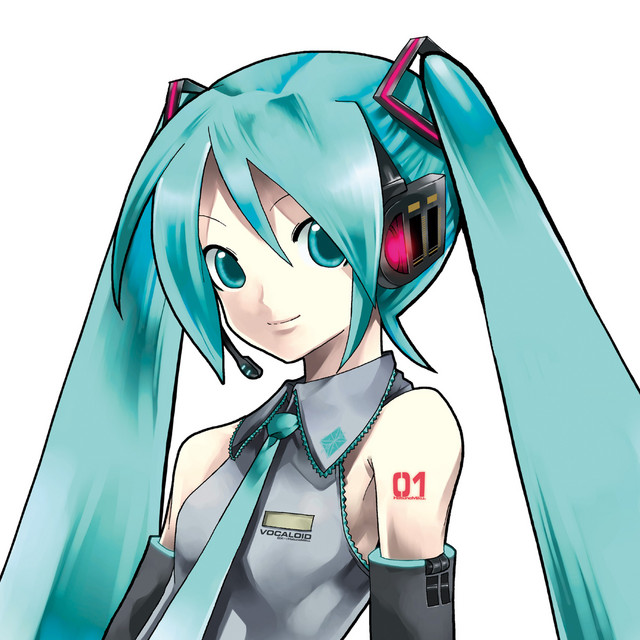
Hatsune Miku
Vocaloid
Yakousei
Digital Horror
Download our mobile app
Get the Melodigging app and start digging for new genres on the go
Download on the App Store
Get it on Google Play
© 2026 Melodigging
Give feedback
Legal
Melodding was created as a tribute to
Every Noise at Once
, which inspired us to help curious minds keep digging into music's ever-evolving genres.