Genres
Artists
Albums
Make Music
Sign in
Sign in
Artists
Macedonian Folk Music
Artists
Macedonian Folk Music
Esma Redzepova
1971–2007
·
6 albums
Listen
2
/5
Genres
Macedonian Folk Music
Macedonian folk music is the traditional music of North Macedonia, known for its rich vocal styles, modal melodies, and distinctive asymmetrical rhythms (aksak). It is performed for weddings, seasonal rituals, and village dances (oro), and it preserves regional dialects and stories in the Macedonian language. The sound is shaped by a blend of Slavic, Byzantine, and Ottoman cultural layers. Typical instruments include gaida (bagpipe), kaval (end-blown flute), tambura (long‑necked lute), zurla (shawm), and tapan (large double‑headed drum), with later additions such as clarinet, accordion, and violin. Vocal music ranges from powerful solo laments to antiphonal and heterophonic group singing with a sustained drone (ison) reminiscent of Byzantine practice. Rhythm is central: dancers and musicians favor meters such as 7/8 (3+2+2), 9/8 (2+2+2+3), 11/8, and 13/16. Ornamented melodies (slides, turns, trills) often sit in Dorian, Aeolian, or Mixolydian colors, and occasionally use maqam-like intervals (augmented seconds) inherited from Ottoman aesthetics.
Discover
Listen
Romani Folk Music
Romani folk music is the diverse, diasporic musical tradition of the Romani people, whose ancestors migrated from the Indian subcontinent into the Middle East and Europe during the late medieval period. Carrying core melodic and rhythmic ideas with them, Romani musicians absorbed and reinterpreted local styles, creating a family of related yet regionally distinct musics across Central, Eastern, Southern, and Western Europe. Common features include ornate, highly expressive melodies with melismas and slides; flexible tempo practices (rubato introductions leading into faster dance sections); and modal colors such as harmonic minor and the Phrygian dominant (often called "Gypsy" or freygish in European discourse). Instrumentation varies by region—fiddles and cimbalom in the Carpathian basin; clarinet, accordion, and cimbalom in Romania and Hungary; brass bands in the Balkans; and guitar-based ensembles among Iberian Gitanos. Dance repertoires (e.g., csárdás, hora, kolo, čoček) and the Romani language often feature, alongside local tongues.
Discover
Listen
Albums
2007
1
/5
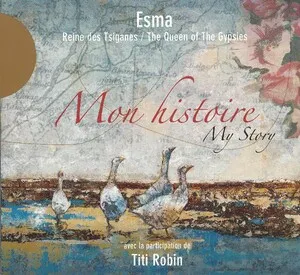
Mon histoire, My Story
Esma Redžepova
Macedonian Folk Music
Romani Folk Music
1979
1
/5
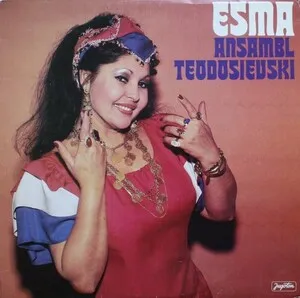
Esma / Ansambl Teodosievski
Esma Redžepova & Ansambl Teodosievski
Macedonian Folk Music
Romani Folk Music
1974
1
/5
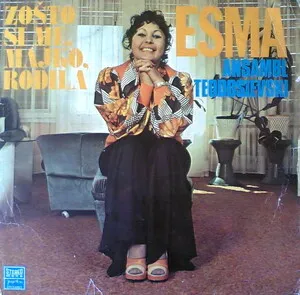
Zošto si me majko rodila
Esma Redžepova
Macedonian Folk Music
1971
1
/5
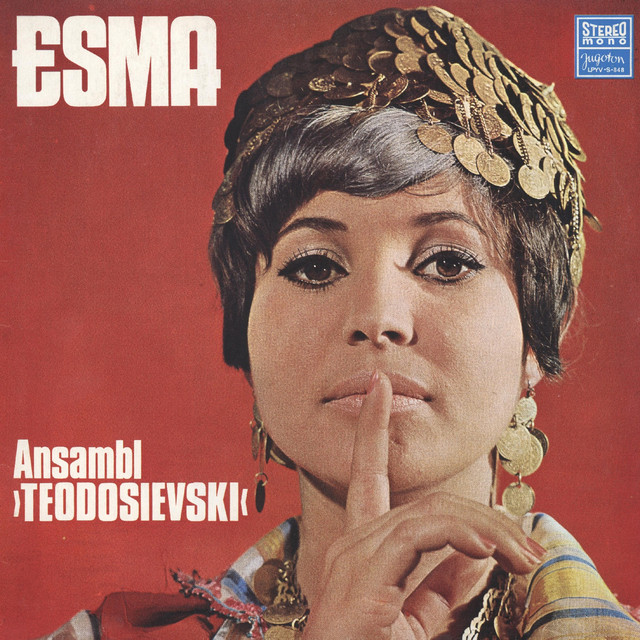
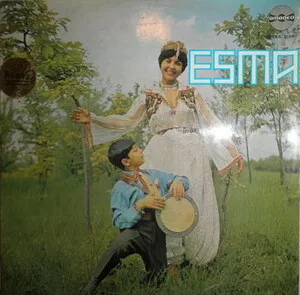
Esma
Esma Redžepova
Macedonian Folk Music
Romani Folk Music
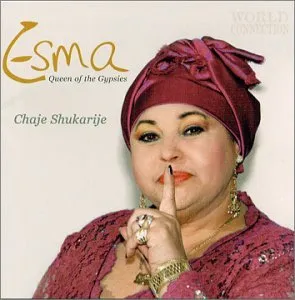
Chaje shukarije
Esma Redžepova
Macedonian Folk Music
Esma
Esma Redžepova
Macedonian Folk Music
Similar artists
3
/5
Parno Graszt
Romani Folk Music
Hungarian Folk Music
2
/5
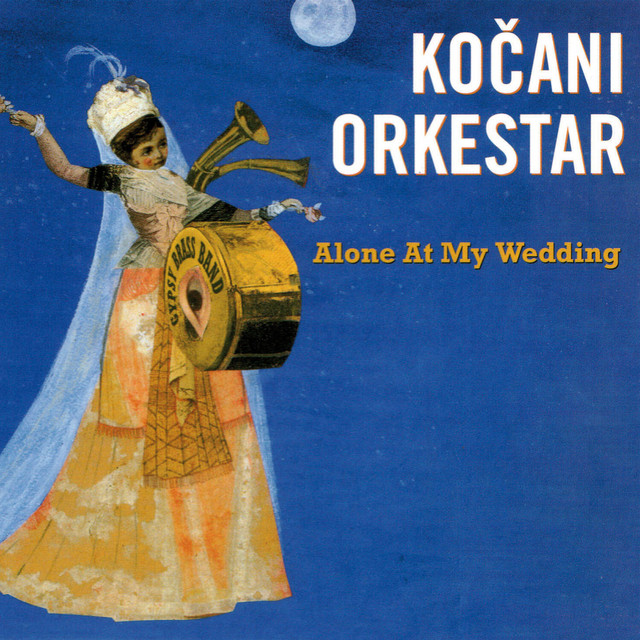
Kočani Orkestar
Balkan Brass Band
Romani Folk Music
Balkan Folk Music
3
/5
La Rue Kétanou
Chanson Alternative
Chanson Française
French House
2
/5
Titi Robin
Qawwali
Gnawa
Romani Folk Music
2
/5
Bratsch
Klezmer
Romani Folk Music
1
/5
Kálmán Balogh
Romani Folk Music
Traditional Folk
1
/5
Synthesis
Dub
Macedonian Folk Music
1
/5
Fishtank Ensemble
Gypsy Jazz
Romani Folk Music
Flamenco
1
/5
Calgija
Čalgija
Macedonian Folk Music
Starogradska Muzika
3
/5
Toše Proeski
Boyfriend Country
Macedonian Folk Music
Download our mobile app
Get the Melodigging app and start digging for new genres on the go
Download on the App Store
Get it on Google Play
© 2026 Melodigging
Give feedback
Legal
Melodding was created as a tribute to
Every Noise at Once
, which inspired us to help curious minds keep digging into music's ever-evolving genres.