Genres
Artists
Albums
Make Music
Sign in
Sign in
Artists
Klezmer
Artists
Klezmer
Bratsch
1990–1998
·
3 albums
Listen
2
/5
Genres
Folk
Folk is a song-centered acoustic tradition rooted in community storytelling, everyday life, and social history. It emphasizes clear melodies, simple harmonies, and lyrics that foreground narrative, protest, and personal testimony. As a modern recorded genre, folk coalesced in the early-to-mid 20th century in the United States out of older ballad, work song, and rural dance traditions. It typically features acoustic instruments (guitar, banjo, fiddle, mandolin, harmonica), strophic song forms, and participatory singing (choruses, call-and-response).
Discover
Listen
Klezmer
Klezmer is the traditional instrumental music of Ashkenazi Jews from Eastern Europe, originally performed by itinerant bands for weddings and communal celebrations. It is characterized by expressive, voice-like ornamentation (krekhts, slides, trills), flexible phrasing, and a repertoire of dance forms such as freylekhs, bulgar, sher, khosidl, and horas. Modal color is central: the freygish (Ahava Rabbah/Phrygian dominant) and Mi Sheberakh (Ukrainian Dorian) modes are common, lending the music its plaintive, celebratory, and at times bittersweet sound. Typical ensembles feature clarinet or violin as lead, with tsimbl (hammered dulcimer), accordion, trumpet/trombone, bass, and later American additions like piano and drum set. While rooted in Jewish liturgical and Hasidic song, klezmer absorbed 19th‑century European social dances (polka, waltz, mazurka) and Balkan/Romanian influences (notably the free-rhythm doina), producing a flexible style that moves from rhapsodic improvisation to propulsive dance tunes.
Discover
Listen
Romani Folk Music
Romani folk music is the diverse, diasporic musical tradition of the Romani people, whose ancestors migrated from the Indian subcontinent into the Middle East and Europe during the late medieval period. Carrying core melodic and rhythmic ideas with them, Romani musicians absorbed and reinterpreted local styles, creating a family of related yet regionally distinct musics across Central, Eastern, Southern, and Western Europe. Common features include ornate, highly expressive melodies with melismas and slides; flexible tempo practices (rubato introductions leading into faster dance sections); and modal colors such as harmonic minor and the Phrygian dominant (often called "Gypsy" or freygish in European discourse). Instrumentation varies by region—fiddles and cimbalom in the Carpathian basin; clarinet, accordion, and cimbalom in Romania and Hungary; brass bands in the Balkans; and guitar-based ensembles among Iberian Gitanos. Dance repertoires (e.g., csárdás, hora, kolo, čoček) and the Romani language often feature, alongside local tongues.
Discover
Listen
Albums
1998
2
/5
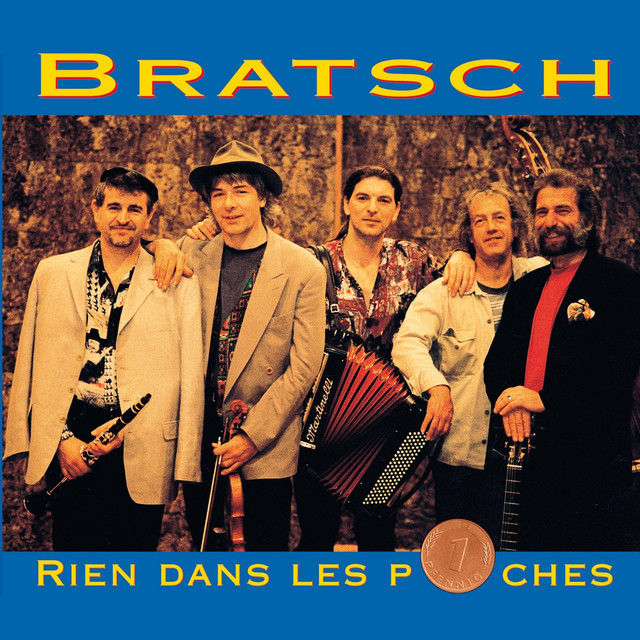
Rien dans les poches
Bratsch
Klezmer
1991
1
/5
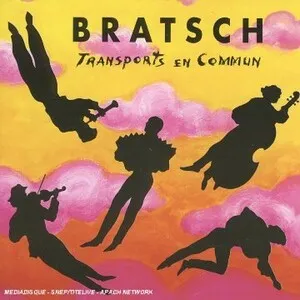
Transports en commun
Bratsch
Romani Folk Music
1990
2
/5
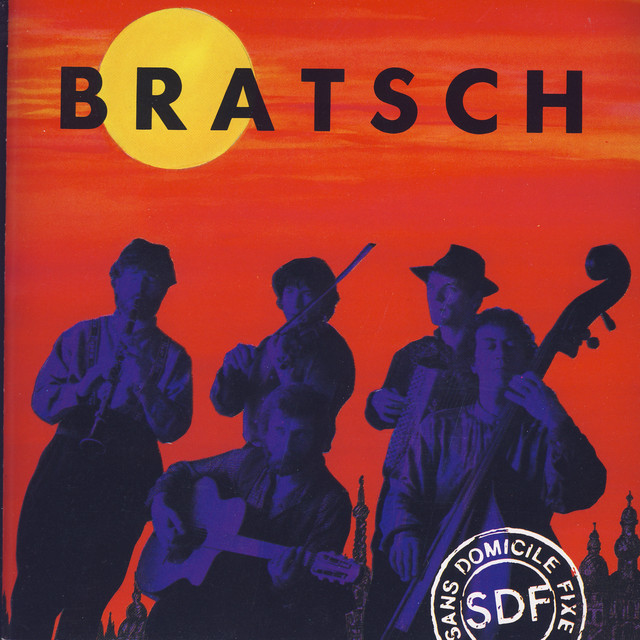
Sans domicile fixe
Bratsch
Romani Folk Music
Similar artists
2
/5
Barcelona Gipsy balKan Orchestra
Klezmer
Balkan Brass Band
Romani Folk Music
2
/5
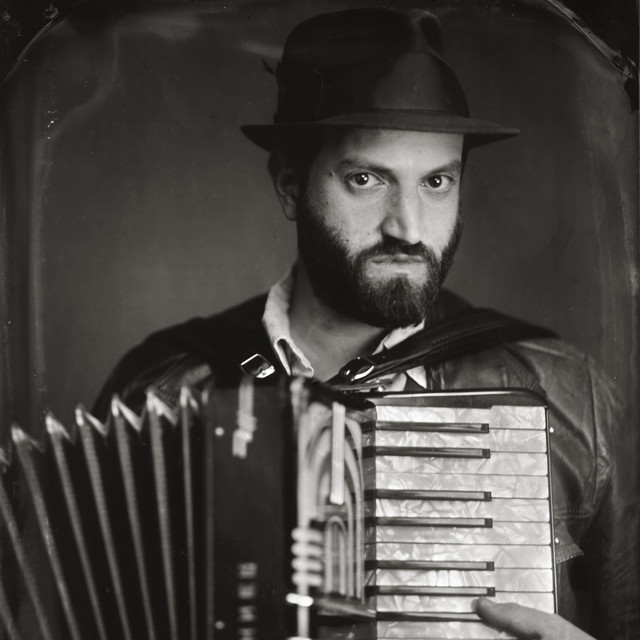
17 Hippies
Klezmer
Folk
Gypsy Jazz
2
/5
Daniel Kahn
Klezmer
Folk Punk
Yiddish Folksong
2
/5
The Klezmatics
Klezmer
Ashkenazi Music
Balkan Brass Band
1
/5
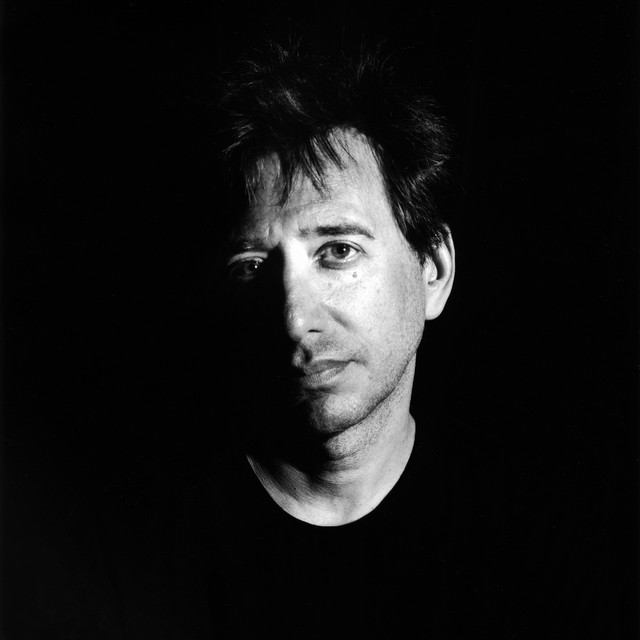
John Zorn
Avant-Garde Jazz
Free Improvisation
Jazz
1
/5
The Cracow Klezmer Band
Ashkenazi Music
Jewish Music
Klezmer
1
/5
Black Ox Orkestar
Ashkenazi Music
Jewish Music
Klezmer
1
/5
Various Artists
Afro-Funk
Alternative Rock
Ambient
1
/5
Fishtank Ensemble
Gypsy Jazz
Romani Folk Music
Flamenco
2
/5
Zupfgeigenhansel
German Folk Music
Folk
Singer-Songwriter
Download our mobile app
Get the Melodigging app and start digging for new genres on the go
Download on the App Store
Get it on Google Play
© 2026 Melodigging
Give feedback
Legal
Melodding was created as a tribute to
Every Noise at Once
, which inspired us to help curious minds keep digging into music's ever-evolving genres.