Genres
Artists
Albums
Make Music
Sign in
Sign in
Artists
Chamamé
Artists
Chamamé
Ernesto Villavicencio
2013
·
1 album
Listen
1
/5
Genres
Folklore Argentino
Folklore argentino (música folklórica argentina) is the umbrella term for Argentina’s regional traditional music and song. It gathers styles such as chacarera and zamba from the Northwest, chamamé and rasguido doble from the Litoral, cueca and tonada cuyana from Cuyo, malambo and milonga pampeana from the Pampas, vidala and baguala from the Andean northwest, and many more. While its roots stretch back to the colonial era and to indigenous traditions, the genre crystallized as a modern national repertoire during the mid‑20th‑century folkloric boom. It is marked by guitar-based accompaniment (rasgueado strumming), bombo legüero drum pulses, rich vocal traditions (solo and choral), and dance forms in compound meters with characteristic hemiolas. Themes often evoke the land, the gaucho, love and longing, community festivities, indigenous memory, and social justice.
Discover
Listen
Chamamé
Chamamé is a traditional dance-music style from Argentina’s Litoral region (especially the province of Corrientes) characterized by a flowing 6/8–3/4 sesquiáltera feel, expressive accordion or bandoneón melodies, and guitars providing rhythmic and harmonic support. It is music for dancing in couples, with a swaying, gliding motion that mirrors the riverine landscapes of the Paraná and Uruguay rivers. The genre blends European social-dance influences (polka, schottische, mazurka, waltz) with Indigenous Guaraní aesthetics and language, often featuring the sapukai—a celebratory shout—within performances. Lyrically, chamamé is typically nostalgic and pastoral, evoking love, family, migration, and the natural environment, and it frequently mixes Spanish with Guaraní vocabulary.
Discover
Listen
Folklore Cuyano
Folklore cuyano is the traditional folk music of Argentina’s Cuyo region (primarily the provinces of Mendoza, San Juan, and San Luis). It is characterized by intimate guitar ensembles, close two‑part singing, and poetic lyrics that evoke vineyards, mountain landscapes, rural romance, and local customs. Core song‑dance forms include the cueca cuyana (a local variant of the cueca), the tonada cuyana (a lyrical strophic song), and the gato cuyano (a lively couple dance). Performances typically feature one or two criolla (Spanish) guitars plus the deep‑voiced regional guitarrón cuyano; handclaps or the bombo legüero may appear, though percussion is used sparingly. A hallmark is the “a dúo” vocal style in parallel thirds or sixths, where the second voice often carries a strong countermelody. Rhythmically, folklore cuyano plays with hemiola between 6/8 and 3/4, creating a graceful sway suited both to dance (cueca, gato) and to more reflective, serenade‑like pieces (tonada). Harmonies lean on simple tonal movement (I–IV–V) with expressive minor keys and modal color, supporting poetic coplas that balance tenderness, nostalgia, and festive spirit.
Discover
Listen
Tango
Tango is a song-and-dance music from the Río de la Plata region, crystallizing in Buenos Aires (Argentina) and Montevideo (Uruguay) in the late 19th century. It is characterized by a melancholic, dramatic tone; richly expressive melodies; and a distinctive rhythmic feel rooted in the habanera and milonga. Core ensembles feature bandoneón, violin(s), piano, double bass, and sometimes guitar, forming the famed orquesta típica. Across the 1920s–1950s it became a worldwide craze, moving from rough immigrant bars to grand salons and radio, developing highly sophisticated arranging and performance practices. Lyrics often employ lunfardo (Buenos Aires slang) and dwell on urban nostalgia, love, betrayal, and the neighborhood (el barrio). Note on terminology: in flamenco, “tangos” is a distinct palo (song form) with a lively 4/4 compás, often in A Phrygian, closely related in feeling to rumba flamenca. Although it shares the name and a spirited character, flamenco tangos is a different tradition from the Río de la Plata tango described above.
Discover
Listen
Albums
2013
Folklore Cuyano
Ernesto Villavicencio
Folklore Cuyano
Similar artists
Hide discovered
3
/5
Chango Spasiuk
Chamamé
World
Folclor Andino
2
/5
Roberto Carabajal
Chamamé
Folklore Argentino
Tango
2
/5
Los Cantores De Quilla Huasi
Chamamé
Folklore Argentino
Latin Folk
2
/5
Raul Barboza
Chamamé
Candombe
Folklore Argentino
2
/5
Juanjo Dominguez
Chamamé
Folklore Argentino
Latin Folk
1
/5
Santiago Arias
Chamamé
Folklore Argentino
Huayno
1
/5
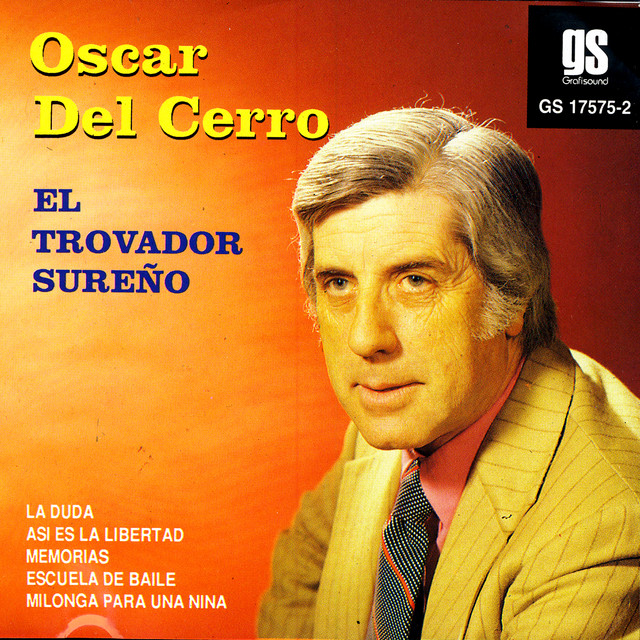
Oscar Del Cerro
Chamamé
Folklore Argentino
Tango
1
/5
Rudi Flores
Chamamé
Afro-Cuban Jazz
Folklore Argentino
2
/5
Algarroba.com
Chamamé
Folklore Argentino
Folklore Cuyano
1
/5
El Trébol Mercedino
Chamamé
Folklore Argentino
Folklore Cuyano
Download our mobile app
Get the Melodigging app and start digging for new genres on the go
Download on the App Store
Get it on Google Play
© 2026 Melodigging
Give feedback
About & FAQ
Legal
Melodding was created as a tribute to
Every Noise at Once
, which inspired us to help curious minds keep digging into music's ever-evolving genres.