Genres
Artists
Albums
Make Music
Sign in
Sign in
Artists
Folk Pop
Artists
Folk Pop
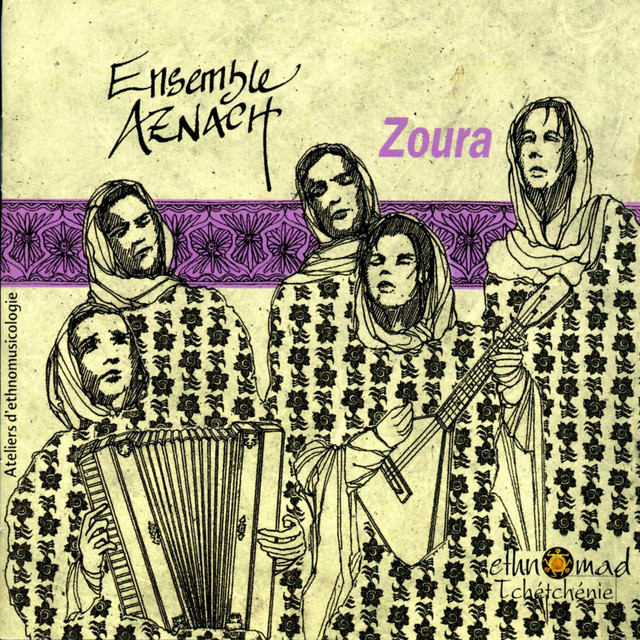
Ensemble Aznach
2010
·
1 album
Listen
1
/5
Genres
Folk Pop
Folk pop is a commercially friendly blend of traditional folk sensibilities and modern pop songwriting. It preserves the acoustic instrumentation, close harmonies, and storytelling of folk while adopting pop structures, memorable hooks, and radio-ready production. The genre is marked by clear vocals, singalong choruses, and warm, organic textures built around acoustic guitar, light percussion, and sometimes banjo, mandolin, or strings. Lyrically it is personal and narrative-driven, often touching on love, memory, place, and everyday life in a direct and relatable way.
Discover
Listen
Traditional Folk
Traditional folk is a broad umbrella for orally transmitted songs and dance tunes that circulated in rural and working-class communities before the age of mass recording. Repertoires include narrative ballads, laments, love songs, work songs, lullabies, and instrumental dance sets such as reels, jigs, hornpipes, and marches. Stylistically, traditional folk favors strophic forms, pentatonic or modal melodies (often Dorian and Mixolydian), limited harmonic movement, and strong, memorable tunes designed for communal singing and dancing. Performances range from unaccompanied solo voice to small ensembles built around fiddle, flute/whistle, pipes, concertina/accordion, guitar, banjo, and frame drum. Ornamentation, variation by verse, and flexible tempo are integral, reflecting an oral tradition where songs live through continual reinterpretation. Although it is pan‑regional, the modern idea of “traditional folk” coalesced in the 19th century through collectors and revivalists who documented vernacular music and framed it as cultural heritage.
Discover
Listen
Caucasian Folk Music
Caucasian folk music encompasses the traditional vocal and instrumental practices of the South and North Caucasus, especially Georgia, Armenia, Azerbaijan, and the North Caucasian republics. It is characterized by striking vocal techniques (from Georgian multipart polyphony to highly ornamented bardic song), modal melodies, and asymmetrical “aksak” meters. Hallmarks include robust drone-based polyphony and parallel fourths/fifths in Georgian song; the plaintive timbre of the Armenian duduk; the modal, melismatic art of ashugh/ashiq bards; and exuberant dance tunes like the pan-Caucasian lezginka. Common instruments include duduk/balaban and zurna (double reeds), salamuri (flute), tulum (bagpipe), panduri and chonguri (Georgian lutes), saz and tar (long- and short-necked lutes), kamancha (spike fiddle), garmon (button accordion), and doli/nagara (frame and kettle drums). Themes often evoke mountains, hospitality, heroism, love, exile, and epic memory. The music’s blend of polyphony, maqam/makam-derived modality, and complex rhythms (5/8, 7/8, 9/8, 10/8) gives it a dramatic, communal, and highly kinetic character—equally at home in intimate gatherings and staged ensembles.
Discover
Listen
Caucasian Music
Caucasian music is an umbrella term for the traditional and popular musics of the Caucasus—primarily Georgia, Armenia, Azerbaijan, and the North Caucasus republics. It binds together diverse vocal and instrumental practices, from Georgian multipart folk polyphony to Armenian duduk laments and Azerbaijani mugham improvisation, as well as the fast, athletic dance music of the North Caucasus. Common features include prominent vocal traditions (solo ashugh/bardic song and powerful choirs), drones and parallel intervals, ornamented melodic lines with melisma, and flexible or asymmetric meters such as 5/8, 7/8, and 9/8. Instruments often include the duduk/balaban and zurna (double-reed aerophones), tar and saz (plucked lutes), kamancha (bowed fiddle), panduri and chonguri (Georgian lutes), garmon/accordion, and a range of drums (doli, dap, nağara). Historically situated at a crossroads, Caucasian music reflects layers of influence from Byzantine/Orthodox chant, Persian and Turkish modal systems, and Slavic/Russian art-folk idioms. In modern times it encompasses both preserved rural repertoires and urban fusions that place traditional timbres in jazz, rock, and electronic settings.
Discover
Listen
Chechen Folk Music
Chechen folk music is the traditional music of the Vainakh (Chechens and Ingush) from the North Caucasus. It blends heroic epic singing (illi), fast, high-energy dance tunes, and devotional Sufi zikr chants, creating a spectrum that runs from intimate, narrative song to communal, trance-like ritual. Its sound world features modal melodies, heterophonic textures, and vivid rhythmic drive. Core instruments include the three‑string phandar (pondur) lute, zurna/oboe and other folk winds, frame drums (daf), and—since the 20th century—the accordion for dance sets. The style’s dance repertoire (including the local variant of the Caucasian lezginka) is characterized by tight 2/4 or 6/8 pulses, sudden accelerations, and stomping accents, while the epic and devotional repertories emphasize declamatory vocals, call‑and‑response, and refrain-based forms.
Discover
Listen
Albums
2010
1
/5
Zoura
Ensemble Aznach
Chechen Folk Music
Caucasian Folk Music
Caucasian Music
Similar artists
1
/5
Various Artists
Afro-Funk
Alternative Rock
Ambient
3
/5
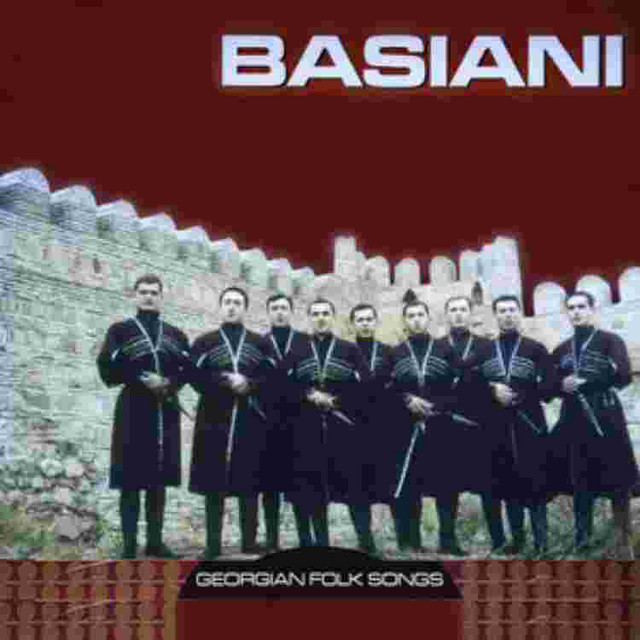
Basiani Ensemble
Georgian Folk Music
Traditional Folk
Traditional Music
2
/5
The Rustavi Choir
Georgian Folk Music
Caucasian Folk Music
Caucasian Music
1
/5
Jrpjej
Caucasian Folk Music
Caucasian Music
Circassian Folk Music
1
/5
The Tsinandali Choir
Traditional Folk
Caucasian Folk Music
Caucasian Music
2
/5
Имам Алимсултанов
Caucasian Folk Music
Caucasian Music
Chechen Folk Music
1
/5
Chitinskaya Sloboda Folklore Ensemble
Folk Pop
Traditional Folk
1
/5
Ūtara
Folk Pop
Traditional Folk
Lithuanian Folk Music
1
/5
He Jinhua
Folk Pop
Traditional Folk
Chinese Folk Music
1
/5
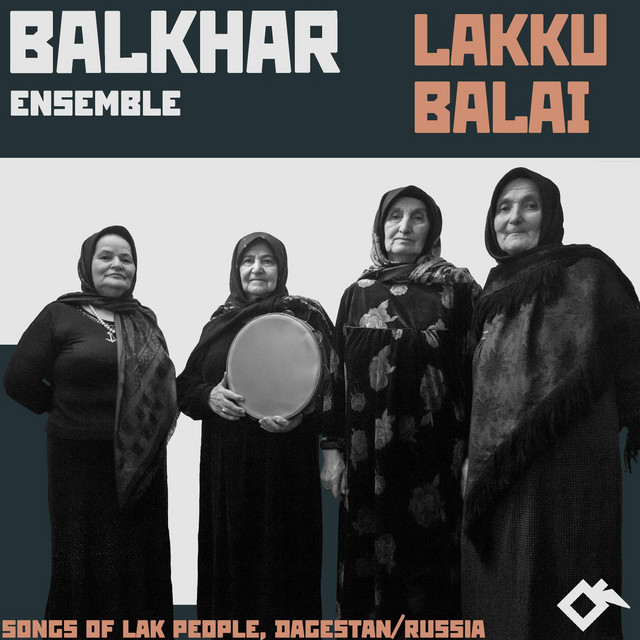
Balkhar Ensemble
Folk Pop
Folk Rock
Caucasian Folk Music
Download our mobile app
Get the Melodigging app and start digging for new genres on the go
Download on the App Store
Get it on Google Play
© 2026 Melodigging
Give feedback
Legal
Melodding was created as a tribute to
Every Noise at Once
, which inspired us to help curious minds keep digging into music's ever-evolving genres.