Genres
Artists
Albums
Make Music
Sign in
Sign in
Artists
Covertronica
Artists
Covertronica
EMR3YGUL
Listen
3
/5
Genres
Covertronica
Covertronica is a microgenre centered on electronically produced cover versions of well‑known songs. Artists retain the recognizability of the original melodies and hooks, but reimagine them with contemporary electronic palettes—glossy synths, side‑chained pads, drum machines, 808s, and modern pop/EDM production. The style thrives on clever reharmonization (e.g., minor/major flips), tempo shifts, and textural redesign, often translating rock, soul, or classic pop into sleek electropop/indietronica frameworks. Vocals are typically polished and upfront, with stacked harmonies, tight autotune as a color (when desired), and arrangement tricks such as filtered intros, half‑time drops, and breakdowns that mirror club and synth‑pop dynamics. Because the repertoire comes from existing songs, covertronica is as much about curatorial taste and arrangement craft as it is about sound design, making it a meeting point between DJ culture’s recontextualization and the singer‑producer era of the internet.
Discover
Listen
G-House
G-house ("gangsta house") is a club-focused fusion of house music and hip-hop, characterized by dark, low-slung basslines, shuffling house drums, and rap vocals or samples with a streetwise, West Coast swagger. Typically sitting around 120–126 BPM, it borrows the groove and arrangement discipline of deep/tech house while foregrounding the attitude and timbral aesthetics of gangsta rap and G-funk. Vocal hooks are often pitched, chopped, or looped, sitting over minimal, sub-heavy bass figures and crisp 909/808-derived percussion. The result is music that feels both sleek and menacing—built for late-night dancefloors with a noir, urban edge.
Discover
Listen
Slap House
Slap house is a pop-leaning strain of deep/house music built around a short, percussive "slap" bass that punches through the mix with aggressive sidechain compression. It typically sits between 118–125 BPM, uses simple minor-key harmony, and places a catchy topline—often a pitched‑down vocal or a cover of a familiar hit—over a sparse, club‑ready groove. The style borrows the weighty low end and rhythmic bounce of Brazilian bass while streamlining arrangements for streaming and radio. Clean four‑on‑the‑floor kicks, clipped claps on 2 and 4, and a tight, syncopated bass riff define the drop, with subtle pads, plucks, and FX in the breakdowns. Its combination of moody harmony, recognizable hooks, and dancefloor impact helped it dominate charts and TikTok/Spotify playlists in the late 2010s and early 2020s.
Discover
Listen
Vixa
Vixa is a Polish club-oriented strain of mainstream EDM that blends the swagger of big room house with the bouncy drive of Melbourne bounce and Dutch house. In Poland, “vixa” is also slang for a wild party, and the genre reflects that ethos: hard-hitting kicks, bold supersaw or brass-stab leads, and simple, chantable hooks designed for maximum dancefloor impact. Typically sitting around 128–132 BPM, vixa favors dramatic snare-roll builds, pitch-rising risers, and explosive drops with offbeat bass patterns. DJ edits of pop and regional hits—reworked into high-energy drops—are common, helping the sound dominate Polish club nights and festival stages where it thrives on big, euphoric moments.
Discover
Listen
Deep Euro House
Deep Euro House is a European-bred, melodically rich branch of deep house that blends club-ready four‑on‑the‑floor grooves with warm, emotive sound design and pop-aware songcraft. It favors lush pads, silky basslines, soft piano or guitar stabs, and subtly processed vocals, often in minor keys with bittersweet chord changes. Compared with classic Chicago deep house, Deep Euro House leans more cinematic and refined: filtered synth swells, sidechained textures, airy reverbs, and clean, modern low end. Tempos typically sit around 118–124 BPM, with grooves that feel unhurried yet propulsive—equally at home on late-night dancefloors and in headphone listening. The "Euro" aspect reflects not only its geography (Germany, Switzerland, France, the Netherlands, Austria, Belgium) but also a melodic sensibility shaped by European club culture, indie electronica, and Balearic moods: wistful, romantic, and polished without losing house’s foundational swing.
Discover
Listen
Popwave
Popwave is a song‑forward branch of synthwave that fuses glossy 1980s pop aesthetics with contemporary electronic production. Where classic synthwave often favors instrumental, cinematic moods, popwave puts vocals and hooks at the center: big choruses, radio‑ready structures, and emotive lyrics about youth, night drives, neon‑lit romance, and bittersweet nostalgia. Sonically it leans on analog‑styled polysynths, driving eighth‑note basslines, gated‑reverb drums, shimmering guitars, and frequent sax or lead‑guitar cameos—yet it’s mixed and mastered to modern pop standards. The result is a style that feels simultaneously retro and current: the color and optimism of 80s chart pop, filtered through the songwriting discipline of today’s electropop and the sound design DNA of synthwave.
Discover
Listen
Samurai Trap
Samurai trap is a web-native microgenre of trap that fuses modern 808-driven hip hop with timbres, scales, and thematic cues associated with historical Japan ("samurai" as a catch‑all signifier). Producers layer koto, shamisen, and shakuhachi phrases, taiko‑like drum hits, and pentatonic or hirajōshi/yo‑mode gestures over contemporary trap drums and bass. The result is a cinematic, high‑contrast sound: sub‑heavy, halftime grooves and sharp percussive transients are counterbalanced by evocative, often reverb‑washed plucked strings or flutes, sword‑swoosh foley, and battle/dojo atmospherics. Visual identity (cover art, typography, and anime/chanbara references) is integral to the genre’s perception online, where it circulates through playlists, channels, and meme‑accelerated scenes.
Discover
Listen
Arab Trap
Arab trap is a regional fusion of modern trap production with Arabic melodic language, timbres, and rhythms. Built on the half‑time bounce of 808 kicks, snappy claps, and skittering hi‑hat rolls, it layers maqam‑based hooks (often using Hijaz, Bayati, Kurd, or Nahawand) on synth leads, sampled oud, qanun, or ney. Producers frequently weave North African and Middle Eastern percussion patterns (maqsum, baladi, saidi) into trap drum grids, while vocals range from Auto‑Tuned crooning to gritty rap delivered in Maghrebi dialects, Egyptian Arabic, Levantine slang, or Khaleeji vernacular. Lyrically it spans street realism, social commentary, identity and migration, swaggering braggadocio, and nightlife, reflecting both local realities and a global hip‑hop aesthetic. Sonically it moves comfortably between dark, cinematic atmospheres and festival‑scale drops, which helped it circulate widely on streaming platforms and in global bass scenes.
Discover
Listen
Show all 8 genres
Similar artists
5
/5
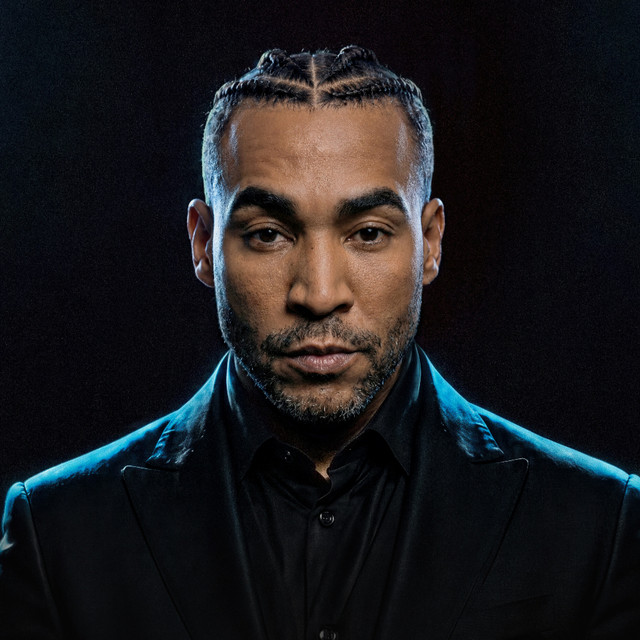
Don Omar
Reggaeton
Latin Hip Hop
Electro Latino
5
/5
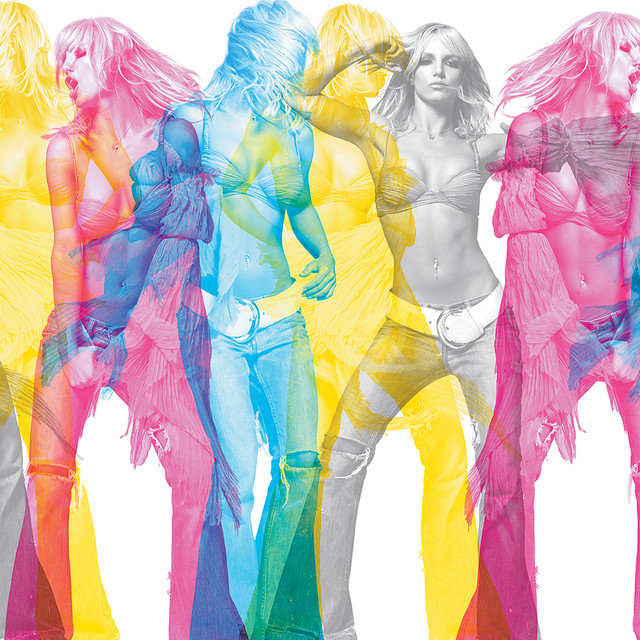
Britney Spears
Pop
Dance-Pop
Electronic
5
/5
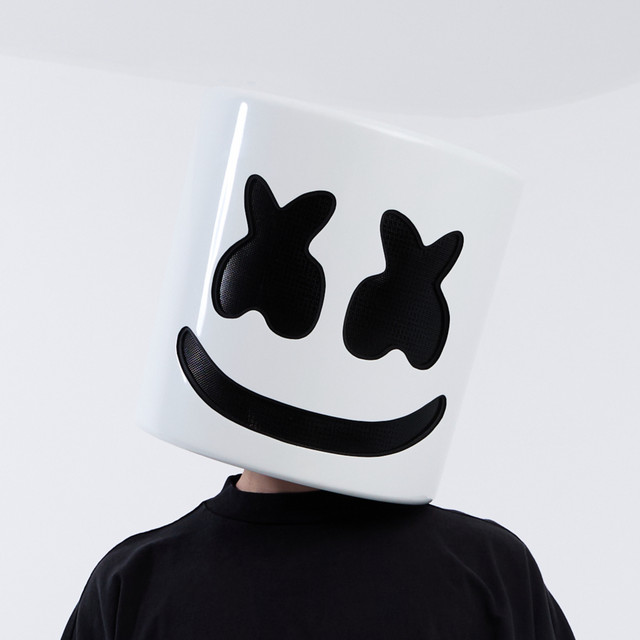
Marshmello
Edm
Electronic
Brostep
5
/5
Tiësto
Dance
Trance
Brostep
4
/5
Alok
Brazilian Bass
Electronic
Electro House
4
/5
Stromae
Belgian Pop
G-House
French Pop
4
/5
Armin van Buuren
Progressive Trance
Trance
Dutch House
4
/5
Gabry Ponte
Italo Dance
Eurodance
Slap House
4
/5
Lucenzo
Kuduro
Covertronica
Game Mood
4
/5
felix jaehn
German Dance
Tropical House
Future House
Download our mobile app
Get the Melodigging app and start digging for new genres on the go
Download on the App Store
Get it on Google Play
© 2026 Melodigging
Give feedback
Legal
Melodding was created as a tribute to
Every Noise at Once
, which inspired us to help curious minds keep digging into music's ever-evolving genres.