Genres
Artists
Albums
Make Music
Sign in
Sign in
Artists
Opm
Artists
Opm
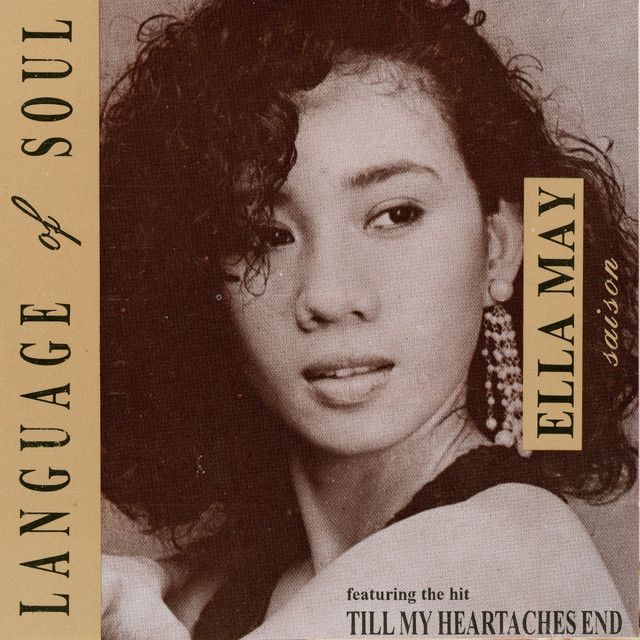
Ella May Saison
2006
·
1 album
Listen
3
/5
Genres
Opm
OPM (Original Pilipino Music) is the umbrella term for Filipino popular music, encompassing mainstream pop, soft rock, ballads, and band music primarily sung in Filipino languages (especially Tagalog) as well as English. The tag crystallized in the 1970s alongside the Manila Sound movement and the formation of a modern local recording industry that foregrounded Filipino songwriting and artists. Stylistically, OPM blends Western pop/rock and soul with indigenous and Hispanic-influenced Filipino song traditions such as kundiman and harana. Melodies tend to be singable and emotive, harmony is diatonic with occasional modulations, and lyrics often revolve around love, nostalgia, family, and national identity. Across decades, OPM has continually evolved—from disco-tinged 70s pop and 80s power ballads to 90s alternative band culture and today’s polished pop and R&B—while remaining distinctively Filipino in sensibility and storytelling.
Discover
Listen
Classic Opm
Classic OPM (Original Pilipino Music) refers to the mainstream Filipino pop sound that crystallized from the 1970s through the 1990s. It blends Western pop, soft rock, soul, disco, and adult contemporary writing with distinctly Filipino aesthetics drawn from traditional forms such as kundiman and harana, plus bilingual (Tagalog/English) lyrics. The result is melodically rich, karaoke-friendly songs with memorable hooks, expressive vocals, and lush arrangements (strings, horns, electric piano, clean guitars, and saxophone solos). Lyrical themes focus on love, longing, destiny, and everyday life, often delivered with heartfelt sentimentality and dramatic key changes in the final chorus. While it is stylistically varied—from ballads to light funk/disco—what unifies Classic OPM is its songcraft: elegant melodies, sophisticated yet approachable harmony, and polished studio production aimed at radio, film, and TV audiences.
Discover
Listen
Pop Soul
Pop soul is a crossover style that blends the emotive vocals, gospel-rooted harmonies, and backbeat of soul music with the concise song forms, catchy hooks, and polished production of mainstream pop. It emphasizes memorable choruses, smooth lead vocals, tight background harmonies, and radio-friendly arrangements designed for broad appeal. The sound is often defined by a crisp rhythm section, tambourine on the backbeat, melodic bass lines, piano/organ comping, handclaps, and lush string or horn arrangements. Originating with the Motown hit-making model, pop soul prized sophisticated songwriting and sleek studio craft that could connect equally on the dance floor and the pop charts.
Discover
Listen
Pop
Pop is a broad, hook-driven style of popular music designed for wide appeal. It emphasizes memorable melodies, concise song structures, polished vocals, and production intended for radio, charts, and mass media. While pop continually absorbs elements from other styles, its core remains singable choruses, accessible harmonies, and rhythmic clarity. Typical forms include verse–pre-chorus–chorus, frequent use of bridges and middle-eights, and ear-catching intros and outros. Pop is not defined by a single instrumentation. It flexibly incorporates acoustic and electric instruments, drum machines, synthesizers, and increasingly digital production techniques, always in service of the song and the hook.
Discover
Listen
Soul
Soul is a genre of popular music that blends the spiritual fervor and vocal techniques of African‑American gospel with the grooves and song forms of rhythm & blues and the harmonic palette of jazz and blues. It is defined by impassioned, melismatic lead vocals; call‑and‑response with backing singers; handclaps and a strong backbeat; syncopated bass lines; and memorable horn or string riffs. Typical instrumentation includes drum kit, electric bass, electric guitar, piano or Hammond organ, horns (trumpet, saxophone, trombone), and sometimes orchestral strings. Lyrically, soul ranges from love and heartbreak to pride, social commentary, and spiritual yearning. Regionally distinct scenes—such as Detroit’s Motown, Memphis/Stax, Muscle Shoals, Chicago, New Orleans, and Philadelphia—shaped different flavors of soul, while the style’s emotional directness and rhythmic drive made it a cornerstone of later funk, disco, contemporary R&B, and hip hop.
Discover
Listen
Ballad
A ballad is a narrative song form that tells a story in simple, singable stanzas, traditionally using quatrains in ballad meter (alternating lines of iambic tetrameter and trimeter with an ABCB rhyme scheme). Ballads typically recount dramatic events—love, betrayal, tragedy, murder, the supernatural—or notable historical incidents. Early ballads were often sung unaccompanied or with minimal accompaniment, carried by memorable, modal melodies and refrains that aided oral transmission. Over time, the term also came to describe slow, sentimental popular songs in the 20th century, but the core of the genre remains the storytelling focus and strophic, easily learned structure. Ballads are central to the English- and Scots-language folk traditions, migrated to North America where they flourished in Appalachian singing, and continue to be performed, adapted, and reinterpreted in contemporary folk and roots scenes.
Discover
Listen
Albums
2006
Language of Soul
Ella May Saison
Classic Opm
Similar artists
3
/5
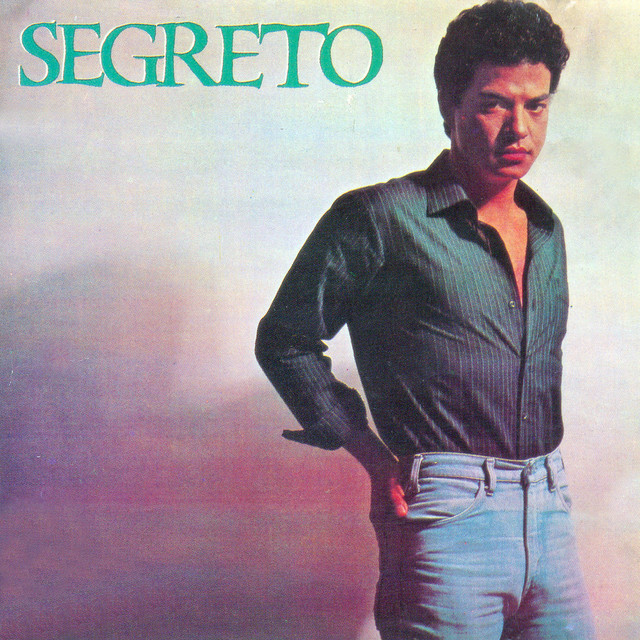
Ric Segreto
Opm
Kundiman
P-Pop
3
/5
Dingdong Avanzado
Opm
P-Pop
Classic Opm
3
/5
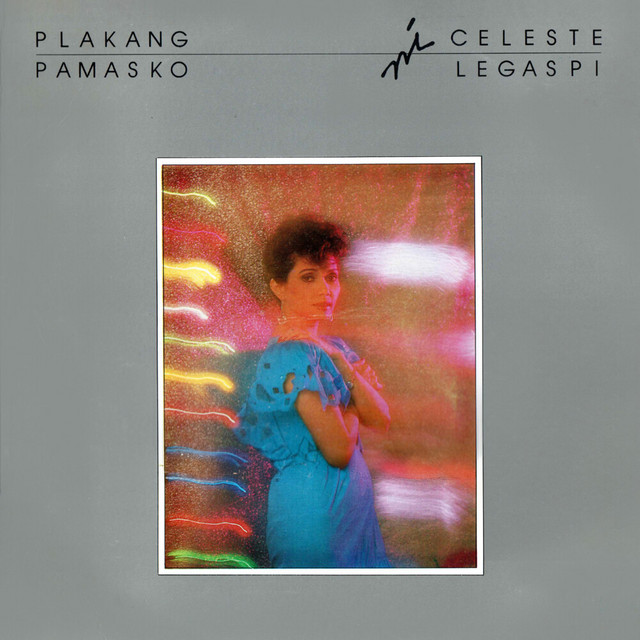
Celeste Legaspi
Opm
Kundiman
Pop
3
/5
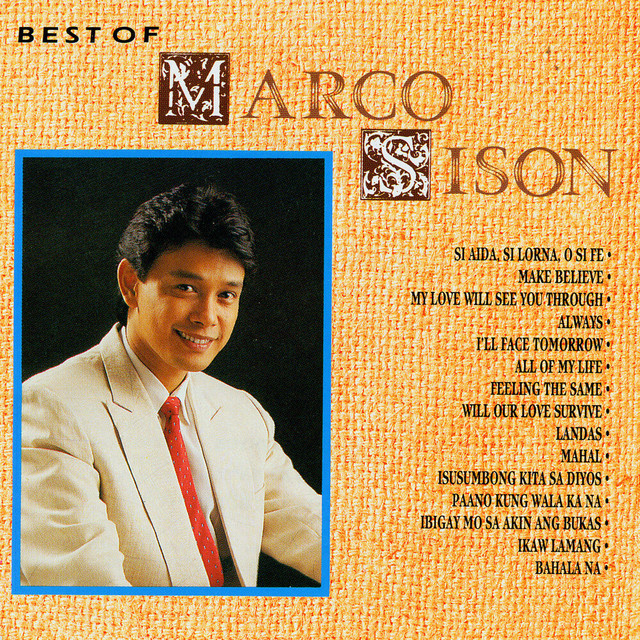
Marco Sison
Kundiman
Opm
P-Pop
2
/5
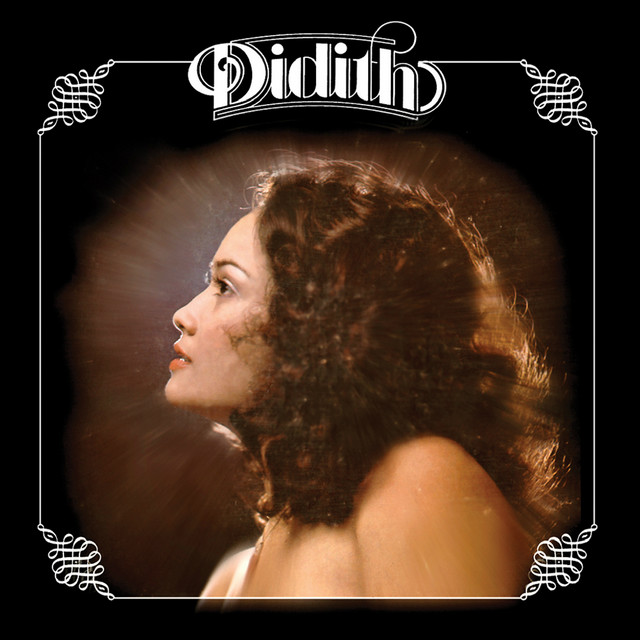
Didith Reyes
Opm
Pop
Harana
3
/5
Kyla
P-Pop
Opm
Pinoy R&b
3
/5
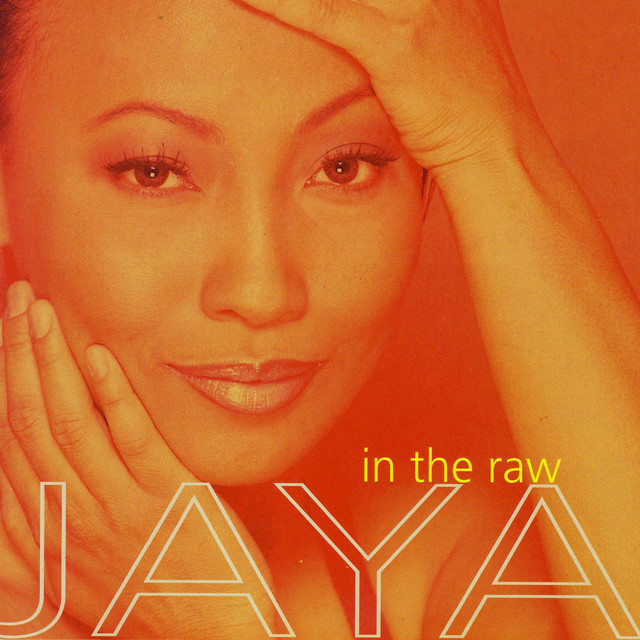
JAYA
P-Pop
Pop
Opm
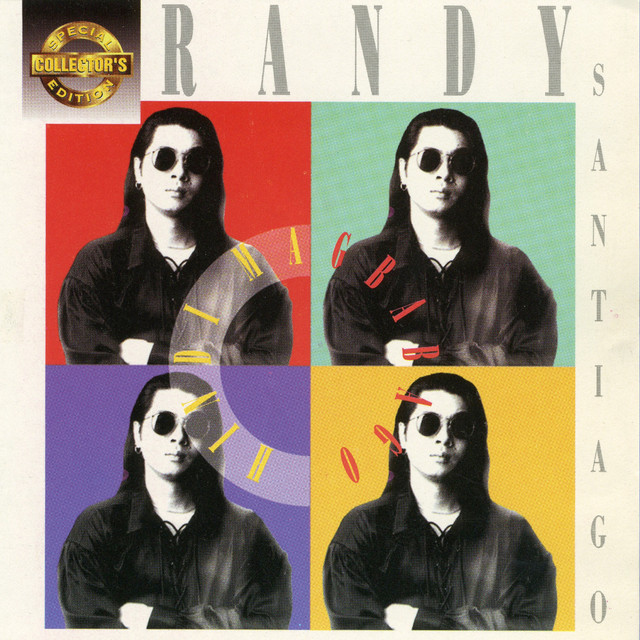
Randy Santiago
Classic Opm
Ballad
Opm
3
/5
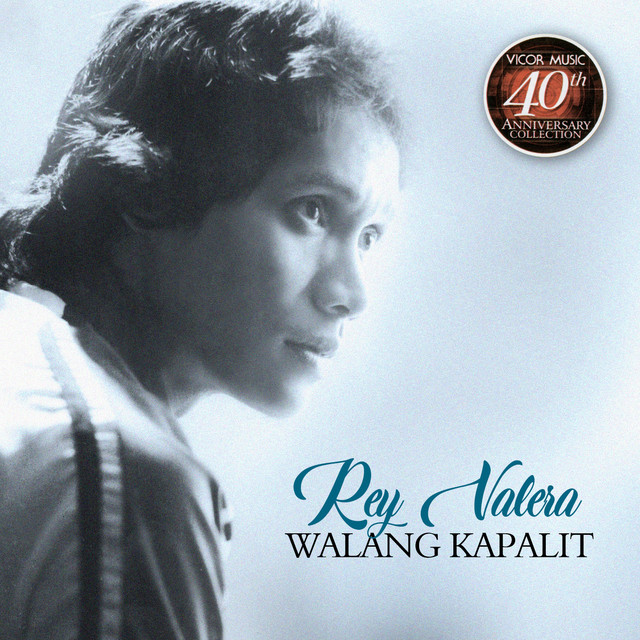
REY VALERA
Manila Sound
Opm
Pop
3
/5
Neocolours
Opm
P-Pop
Pinoy Alternative
Download our mobile app
Get the Melodigging app and start digging for new genres on the go
Download on the App Store
Get it on Google Play
© 2026 Melodigging
Give feedback
Legal
Melodding was created as a tribute to
Every Noise at Once
, which inspired us to help curious minds keep digging into music's ever-evolving genres.