Genres
Artists
Albums
Make Music
Sign in
Sign in
Artists
Anti-Folk
Artists
Anti-Folk
Elizabeth LaPrelle
Listen
1
/5
Genres
Southern Gothic
Southern gothic (as a music style) blends American roots idioms—country, folk, blues, gospel, and Southern rock—with the macabre, moral ambiguity, and decaying grandeur associated with the Southern Gothic literary tradition. Its sound is typically dark-hued and intimate: minor-key harmonies, modal drones, and slow-to-mid tempos underpin storytelling about sin and salvation, haunted landscapes, family secrets, and folk religion. Arrangements often feature acoustic guitar, banjo, fiddle, upright bass, pump organ or harmonium, lap/pedal steel, sparse percussion, and baritone or hushed vocals drenched in room reverb. Production tends toward earthy and atmospheric—tape-like saturation, creaking room ambience, and subtle field sounds (cicadas, church bells, train rumbles) that evoke the American South’s heat, humidity, and history.
Discover
Listen
Anti-Folk
Anti-folk is a subversive, DIY-minded offshoot of folk that blends the confessional songwriting of the 1960s coffeehouse scene with the irreverence, speed, and attitude of punk. It favors raw, often lo-fi production, simple chord progressions, direct melodies, and sardonic, self-aware lyrics that skewer both mainstream pop and earnest folk orthodoxy. Performances typically feel intimate and unvarnished, privileging personality, humor, and immediacy over polish. The scene coalesced around New York City’s Lower East Side/East Village in the 1980s and 1990s, later inspiring companion scenes in the UK and Europe. Anti-folk’s tone ranges from playful and comedic to biting and political, but it consistently celebrates individuality, candor, and a hand-made aesthetic.
Discover
Listen
Traditional Music
Traditional music is an umbrella term used in the mid–20th century by folklorists and ethnomusicologists to denote community-rooted, orally transmitted repertoires tied to social ritual, work, celebration, and storytelling. Unlike commercial pop or art-music traditions, traditional music is typically learned by ear, varies regionally, and evolves slowly through communal participation. It often features modal melodies, cyclic rhythms, heterophony or unison singing, and indigenous instruments whose timbres are integral to local identity. Lyrics tend to preserve language, history, and collective memory. While the musical practices themselves can be ancient, the phrase “traditional music” emerged to replace earlier, narrower or colonial framings like “folk” or “ethnic” music, foregrounding continuity, locality, and living practice rather than exoticism.
Discover
Listen
Bluegrass
Bluegrass is a style of American roots music that coalesced in the Appalachian region in the 1940s around Bill Monroe and his Blue Grass Boys. It is defined by all‑acoustic instrumentation (typically fiddle, mandolin, 5‑string banjo, guitar, and upright bass, with dobro often added), virtuosic ensemble interplay, and a distinctive “high lonesome” lead vocal timbre supported by tight three‑part harmonies. Musically, bluegrass fuses African American blues and jazz phrasing with Anglo‑Celtic ballads and dance tunes. Hallmarks include driving tempos, syncopated 3‑finger banjo rolls (popularized by Earl Scruggs), off‑beat mandolin “chop” backbeats, boom‑chuck guitar rhythm, two‑beat bass, and alternating instrumental “breaks.” Repertoires mix breakdowns and fiddle tunes with narrative ballads, gospel numbers, and contemporary songwriter material.
Discover
Listen
Country Blues
Country blues—also called rural blues or folk blues—is the earliest widely documented form of the blues, rooted in the everyday music-making of African Americans in the rural American South. It typically features a solo singer accompanying themselves on acoustic guitar, with flexible time, expressive vocal delivery, and abundant use of blue notes. While 12‑bar structures are common, country blues often stretches or compresses measures to fit the lyric, making phrasing elastic and conversational. Regional flavors emerged—Delta (driving, droning thumb bass and slide), Piedmont (ragtime‑inflected fingerpicking), and Texas (looser phrasing and single‑string leads)—but all share storytelling lyrics about work, travel, love, hardship, and spiritual longing.
Discover
Listen
Traditional Folk
Traditional folk is a broad umbrella for orally transmitted songs and dance tunes that circulated in rural and working-class communities before the age of mass recording. Repertoires include narrative ballads, laments, love songs, work songs, lullabies, and instrumental dance sets such as reels, jigs, hornpipes, and marches. Stylistically, traditional folk favors strophic forms, pentatonic or modal melodies (often Dorian and Mixolydian), limited harmonic movement, and strong, memorable tunes designed for communal singing and dancing. Performances range from unaccompanied solo voice to small ensembles built around fiddle, flute/whistle, pipes, concertina/accordion, guitar, banjo, and frame drum. Ornamentation, variation by verse, and flexible tempo are integral, reflecting an oral tradition where songs live through continual reinterpretation. Although it is pan‑regional, the modern idea of “traditional folk” coalesced in the 19th century through collectors and revivalists who documented vernacular music and framed it as cultural heritage.
Discover
Listen
Similar artists
3
/5
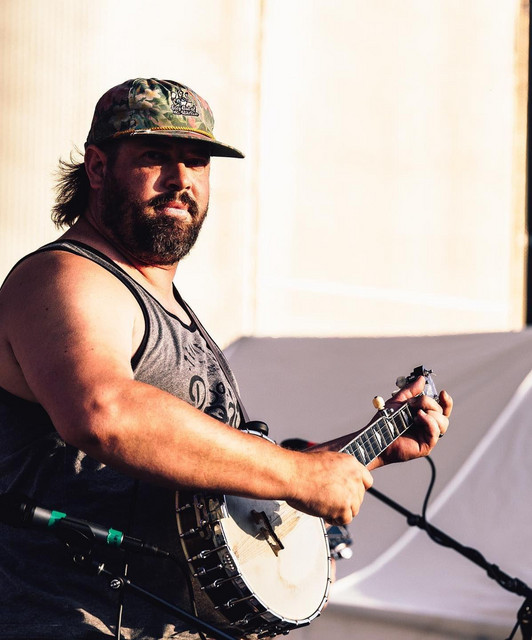
The Devil Makes Three
Bluegrass
Folk
Folk Punk
3
/5
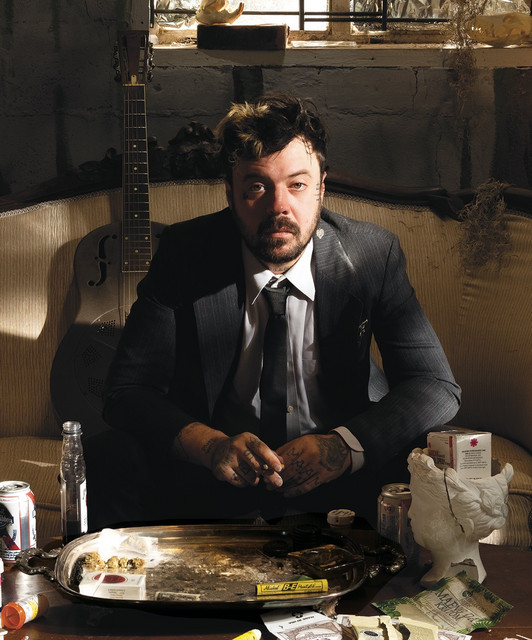
The Bridge City Sinners
Folk Punk
Anti-Folk
Bluegrass
3
/5
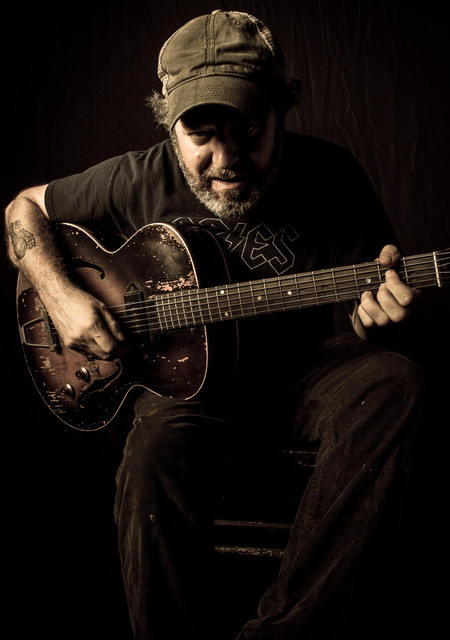
Ben Miller Band
Americana
Bluegrass
Blues Rock
3
/5
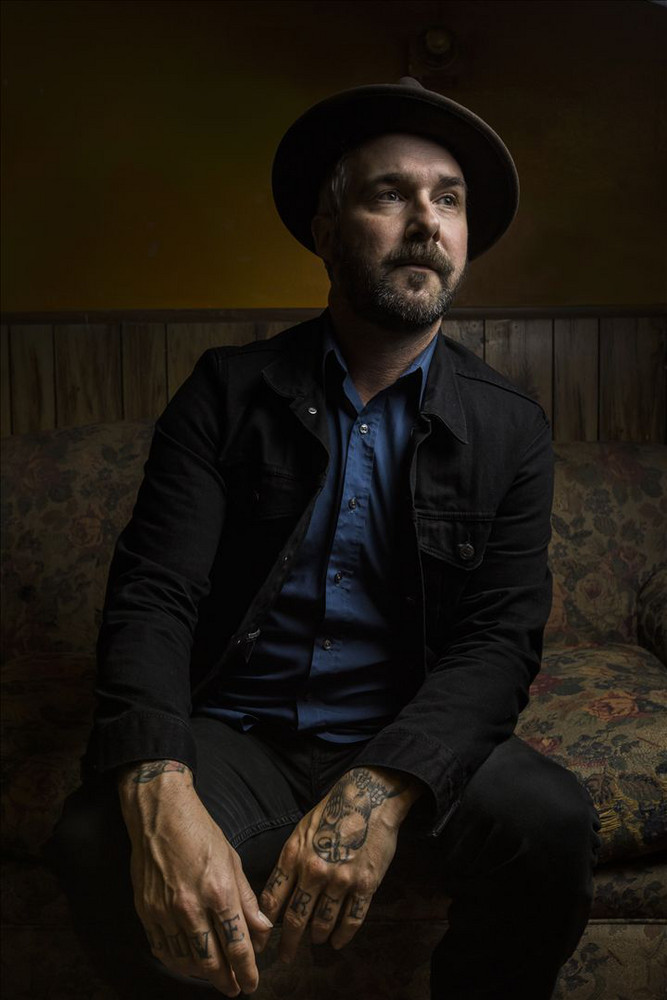
Charlie Parr
Piedmont Blues
Folk
Americana
3
/5
Tejon Street Corner Thieves
Deathgrass
Anti-Folk
Bluegrass
3
/5
Yes Ma'am
Anti-Folk
Bluegrass
Folk Punk
2
/5
Scott H. Biram
Americana
Bluegrass
Blues Rock
2
/5
William Elliott Whitmore
Americana
Bluegrass
Country Blues
2
/5
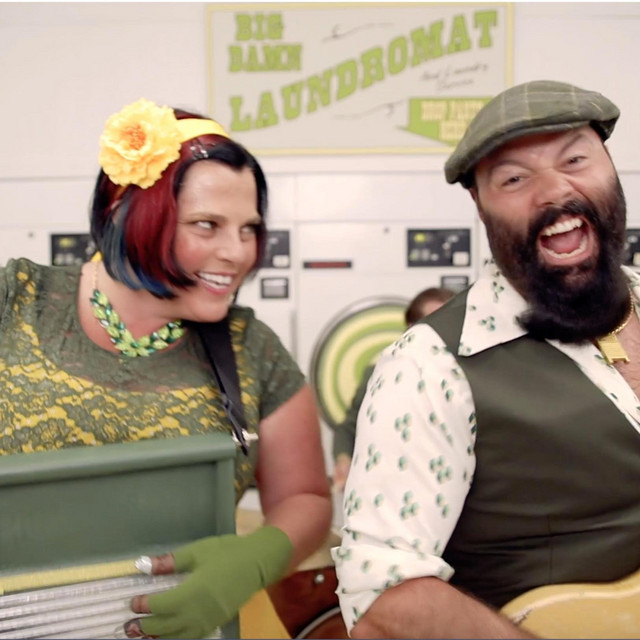
The Reverend Peyton's Big Damn Band
Americana
Bluegrass
Blues
2
/5
Clyde and the Milltailers
Anti-Folk
Bluegrass
Folk Punk
Download our mobile app
Get the Melodigging app and start digging for new genres on the go
Download on the App Store
Get it on Google Play
© 2026 Melodigging
Give feedback
Legal
Melodding was created as a tribute to
Every Noise at Once
, which inspired us to help curious minds keep digging into music's ever-evolving genres.