Genres
Artists
Albums
Make Music
Sign in
Sign in
Artists
Punk
Artists
Punk
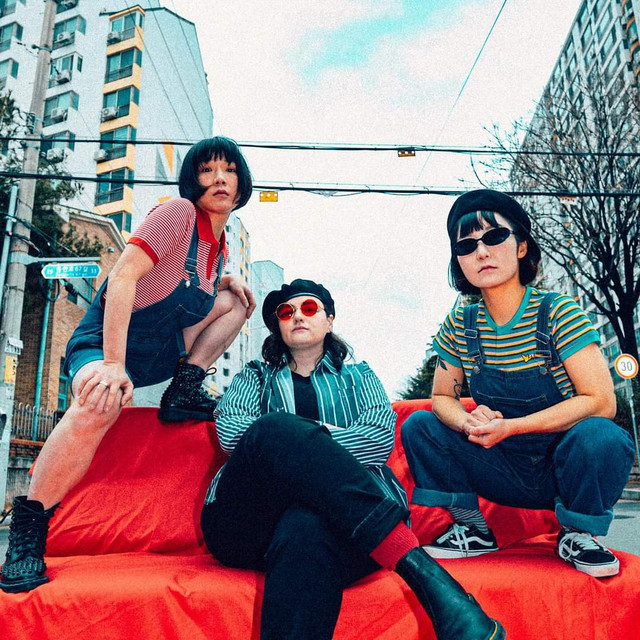
Drinking Boys and Girls Choir
2019–2021
·
2 albums
Listen
1
/5
Genres
Seishun Punk
Seishun punk (literally “youth punk”) is a short‑lived Japanese movement from the early 2000s that fused raw, abrasive punk energy with folk‑inspired, sing‑along songwriting. It is marked by straightforward, youth‑oriented lyrics about school life, first love, friendship, frustration, and small wins, delivered in an earnest, shout‑sung style. Arrangements are simple and hook‑driven—two guitars, bass, and drums—favoring brisk tempos, bright major‑key melodies, and communal choruses that feel tailor‑made for live call‑and‑response.
Discover
Listen
Japanese Indie
Japanese indie refers to Japan’s independent rock and pop scenes that developed outside the major-label idol system. It blends DIY production and small-label distribution with a wide palette of sounds, from jangly guitar pop and post‑punk angularity to dreamy shoegaze and lo‑fi recordings. The scene is anchored by “live houses” (small venues) around Tokyo (Shimokitazawa, Koenji, Shinjuku), Osaka, Kyoto, and Fukuoka. Artists often sing in Japanese (sometimes mixing English), with introspective, everyday-life lyrics and arrangements that prize dynamics, texture, and melody over flashy virtuosity. Aesthetically, Japanese indie inherits Western indie rock’s DIY ethos while retaining local melodic sensibilities shaped by kayōkyoku and city pop. Production ranges from 4‑track cassette grit to clean, minimal studio mixes, but the emphasis remains on authenticity, atmosphere, and the energy of the live circuit.
Discover
Listen
Indie Rock
Indie rock is a subgenre of rock and a branch of alternative rock that coalesced in the early–mid 1980s around independent labels and DIY practices in the United Kingdom, the United States, and New Zealand. Defined less by a single sound than by an ethos, indie rock favors non‑mainstream approaches, self‑recording and small‑label distribution, and an interest in pop‑informed melody and eclectic experimentation. Hallmarks include jangly or fuzzed guitars, intimate or deadpan vocals, off‑kilter song structures, and production that often preserves a raw, “authentic” feel rather than glossy studio polish.
Discover
Listen
Skate Punk
Skate punk is a fast, energetic subgenre of punk closely tied to 1980s Southern California skate culture. It favors rapid tempos, tight downstroked power-chord guitars, punchy bass played with a pick, and driving, skank- or d‑beat‑adjacent drum patterns. Vocals range from nasal, melodic leads to gang shouts, with big, shout-along choruses. Lyrically, skate punk mixes anti-authoritarian commentary with personal and youthful themes—friendship, boredom, suburban malaise, and of course skateboarding. Melodic sophistication distinguishes it from rawer hardcore, while its speed and intensity keep it edgier than most pop punk. Labels like Epitaph and Fat Wreck Chords helped define the sound’s crisp, high-BPM assault with tight harmonies and hook-laden riffs.
Discover
Listen
Punk
Punk is a fast, abrasive, and minimalist form of rock music built around short songs, stripped-down instrumentation, and confrontational, anti-establishment lyrics. It emphasizes DIY ethics, raw energy, and immediacy over virtuosity, often featuring distorted guitars, shouted or sneered vocals, and simple, catchy melodies. Typical songs run 1–3 minutes, sit around 140–200 BPM, use power chords and basic progressions (often I–IV–V), and favor live, unpolished production. Beyond sound, punk is a cultural movement encompassing zines, independent labels, political activism, and a fashion vocabulary of ripped clothes, leather, and safety pins.
Discover
Listen
Pop Punk
Pop punk blends the speed and attitude of punk rock with the melody, hooks, and songcraft of pop. It features bright, concise songs driven by crunchy power-chord guitars, punchy drums, and catchy vocal lines that often favor gang shouts and harmonies. Lyrically, pop punk tends to focus on adolescence, relationships, boredom, suburbia, and self-deprecating humor, delivered with a mix of earnestness and wit. Production ranges from raw and DIY to radio-ready polish, but the core is always immediacy: big choruses, tight structures, and energetic performances.
Discover
Listen
Punk Rock
Punk rock is a fast, raw, and stripped‑down form of rock music that foregrounds energy, attitude, and the DIY ethic over technical polish. Songs are short (often 90–180 seconds), in 4/4, and driven by down‑stroked power‑chord guitars, eighth‑note bass, and relentless backbeat drumming. Vocals are shouted or sneered rather than crooned, and lyrics are direct, often political, anti‑establishment, or wryly humorous. Production is intentionally unvarnished, prioritizing immediacy and live feel over studio perfection. Beyond sound, punk rock is a culture and practice: independent labels, fanzines, all‑ages venues, self‑organized tours, and a participatory scene that values inclusivity, affordability, and self‑reliance.
Discover
Listen
K-Rock
K-rock (Korean rock) is the umbrella term for rock music made in South Korea, spanning classic beat and garage, psychedelic and folk rock, hard rock and metal, punk, alternative, and modern indie and pop-rock. It typically blends guitar-driven textures and Western rock songcraft with Korean melodic sensibilities, clear vocal delivery, and lyrics that oscillate between youthful catharsis, social observation, and intimate storytelling. Production ranges from raw live-club energy to polished studio sheen, and some artists occasionally fold in traditional instruments or pentatonic turns that nod to Korean musical heritage. The scene is closely tied to live culture—especially the Hongdae club circuit—and to major rock festivals, with periodic crossovers into K-pop via idol bands and OST-friendly pop-rock.
Discover
Listen
Rock
Rock is a broad family of popular music centered on amplified instruments, a strong backbeat, and song forms that foreground riffs, choruses, and anthemic hooks. Emerging from mid‑20th‑century American styles like rhythm & blues, country, and gospel-inflected rock and roll, rock quickly expanded in scope—absorbing folk, blues, and psychedelic ideas—while shaping global youth culture. Core sonic markers include electric guitar (often overdriven), electric bass, drum kit emphasizing beats 2 and 4, and emotive lead vocals. Rock songs commonly use verse–chorus structures, blues-derived harmony, and memorable melodic motifs, ranging from intimate ballads to high‑energy, stadium‑sized performances.
Discover
Listen
Show all 9 genres
Albums
2021
1
/5
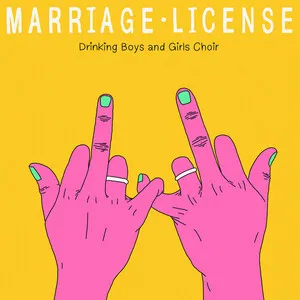
Marriage License
Drinking Boys and Girls Choir
Seishun Punk
2019
2
/5
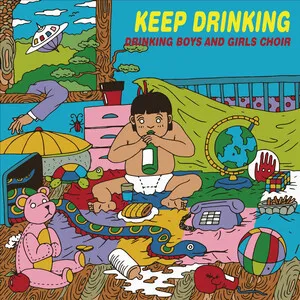
Keep Drinking
Drinking Boys and Girls Choir
Seishun Punk
Indie Rock
Pop Punk
Similar artists
3
/5
GING NANG BOYZ
Melodic Hardcore
J-Pop
J-Rock
1
/5
Various Artists
Afro-Funk
Alternative Rock
Ambient
5
/5
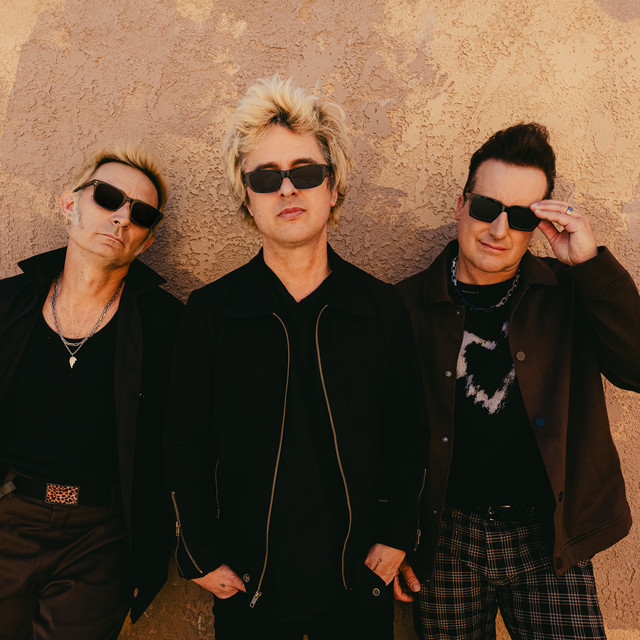
Green Day
Pop Punk
Punk
Alternative Rock
4
/5
Title Fight
Spacegrunge
Melodic Hardcore
Grungegaze
3
/5
Fugazi
Post-Hardcore
Punk
Rock
3
/5
Bikini Kill
Punk
Riot Grrrl
Olympia Wa Indie
3
/5
The Menzingers
Orgcore
Indie Punk
Pop Punk
3
/5
AJJ
Folk Punk
Anti-Folk
Indie Rock
3
/5
Hot Water Music
Emocore
Punk
Melodic Hardcore
3
/5
SE SO NEON
Japanese Indie
K-Rock
Neo-City Pop
Download our mobile app
Get the Melodigging app and start digging for new genres on the go
Download on the App Store
Get it on Google Play
© 2026 Melodigging
Give feedback
Legal
Melodding was created as a tribute to
Every Noise at Once
, which inspired us to help curious minds keep digging into music's ever-evolving genres.