Genres
Artists
Albums
Make Music
Sign in
Sign in
Artists
Cumbia
Artists
Cumbia
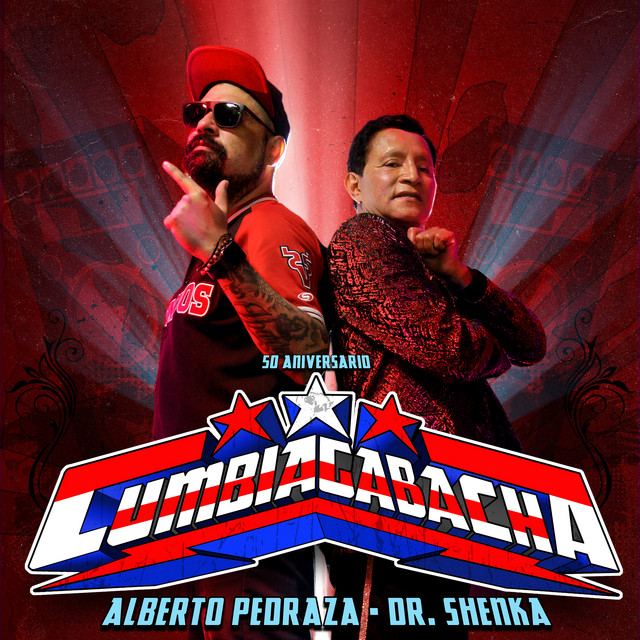
Dr. Shenka
Listen
3
/5
Genres
Cumbia Editada
Cumbia editada (also seen as “kumbias editadas”) is a DJ‑driven offshoot of Mexican cumbia and the sonidero sound system tradition. It consists of re‑editing existing cumbia recordings—looping hooks, inserting stutters and rewinds, applying heavy echo and delay, and adding sound‑effects drops (sirens, air horns, lasers), DJ tags, and MC dedications. Born in dance floors, neighborhood street parties, and later on social video platforms, cumbia editada privileges crowd response and DJ functionality. Tracks often extend intros/outros for mixing, emphasize percussion breaks, and sometimes adopt the slowed, woozy feel popular in northern Mexico, while keeping the romantic and melodic core of classic cumbia.
Discover
Listen
Mexican Ska
Mexican ska is the Mexican expression of ska’s third wave, blending Jamaica’s off‑beat "skank" rhythm with Mexican rock en español, punk energy, and Latin dance grooves. It is horn‑driven, socially conscious, and built for dancing, often switching between brisk punk tempos and relaxed rocksteady/reggae feels. The scene coalesced in Mexico City, Tijuana, and Monterrey, where DIY venues, student festivals, and barrio culture fostered large, communal shows. Bands frequently incorporate regional flavors—cumbia cadences, mariachi‑style horn voicings, or salsa percussion—while keeping ska’s hallmark upstroke guitar and call‑and‑response hooks. Lyrics are primarily in Spanish, using local slang and addressing everyday life, love, and social justice.
Discover
Listen
Spanish-Language Reggae
Spanish-language reggae (often called "reggae en español") adapts Jamaican reggae and dancehall aesthetics to Spanish lyrics and Latin American cultural contexts. It spans two complementary currents: roots/reggae bands that sing in Spanish, and the Panamanian dancehall/singjay tradition that placed Spanish toasting over Jamaican riddims. Hallmarks include syncopated one‑drop or steppers drum patterns, a prominent, melodic bassline, offbeat guitar/keyboard "skank," and dub-informed production with space, delay, and spring reverb. Vocals range from soulful crooning to rapid-fire singjay flows, switching fluidly between Spanish and Caribbean slang. Lyrical themes move between social commentary, identity, romance, spirituality, and party vibes. From local sound systems to global stages, the style became a bridge between Jamaica’s sound system culture and the Latin world—both preserving reggae’s roots spirit and directly feeding the emergence of reggaetón and broader urbano scenes.
Discover
Listen
Cumbia Sonidera
Cumbia sonidera is a Mexican urban style of cumbia shaped by the neighborhood sound-system (sonidero) culture of Mexico City and Puebla. It features mid-tempo grooves, prominent electronic keyboards or accordion doubling the melody, punchy bass lines, güiro and timbales/congas, and heavy use of echo, reverb, and DJ shout-outs (saludos y dedicatorias). Built for social dancing and open-air parties, the style blends Colombian cumbia roots with Mexican popular and grupera sensibilities. Its signature is not only musical—it's the live performance practice: extended mixes, segues between tracks, and a charismatic MC steering the dance floor with dedications, drops, and dub-style effects.
Discover
Listen
Ska
Ska is a Jamaican popular music style characterized by a brisk 4/4 groove, off‑beat guitar or piano upstrokes (the “skank”), walking bass lines, and punchy horn riffs. Emerging in late‑1950s Kingston dancehalls, ska fused local mento and calypso with American rhythm & blues and jazz, creating a lively sound that celebrated independence‑era optimism and street culture. Across time, ska evolved through distinct waves: the original Jamaican ska of the early 1960s, the racially integrated and politically aware 2 Tone movement in late‑1970s Britain, and the third‑wave explosion in the 1990s that blended ska with punk energy around the world.
Discover
Listen
Cumbia
Cumbia is a syncretic dance-music tradition from Colombia’s Caribbean coast that blends African rhythmic heritage, Indigenous (especially gaita flute) melodic practice, and Spanish colonial instrumentation and forms. Traditionally performed in a moderate 2/4 (often felt in 4/4 today), it features interlocking hand-drum parts (tambora, alegre, llamador), guacharaca or maracas for steady texture, and long cane flutes (gaita hembra and gaita macho) carrying call-and-response melodies. As it spread in the 20th century, orchestras and dance bands added accordion, horns, piano, bass, and later electric guitar and synthesizers, creating urban and pan–Latin American variants. Harmonically simple and rhythm-forward, cumbia places groove, ostinati, and vocal refrains at the center, making it both ceremonial in origin and enduringly popular on social dance floors across the Americas.
Discover
Listen
Similar artists
1
/5
Various Artists
Afro-Funk
Alternative Rock
Ambient
3
/5
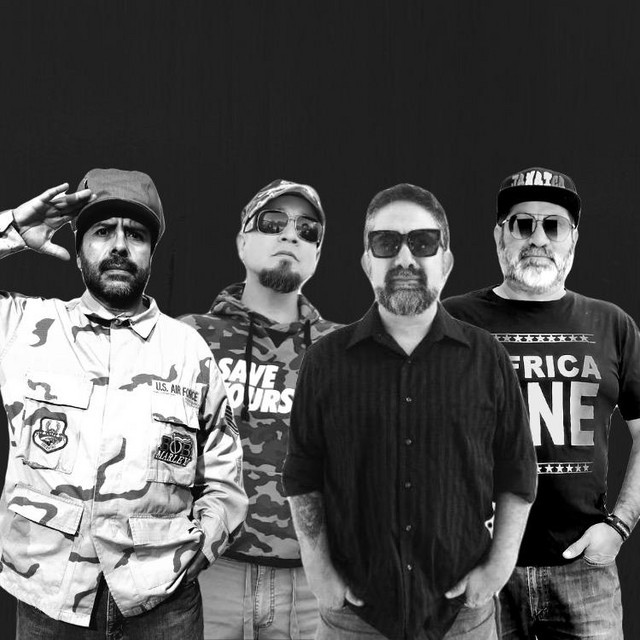
Todos Tus Muertos
Latin Alternative
Argentine Rock
Latin Rock
3
/5
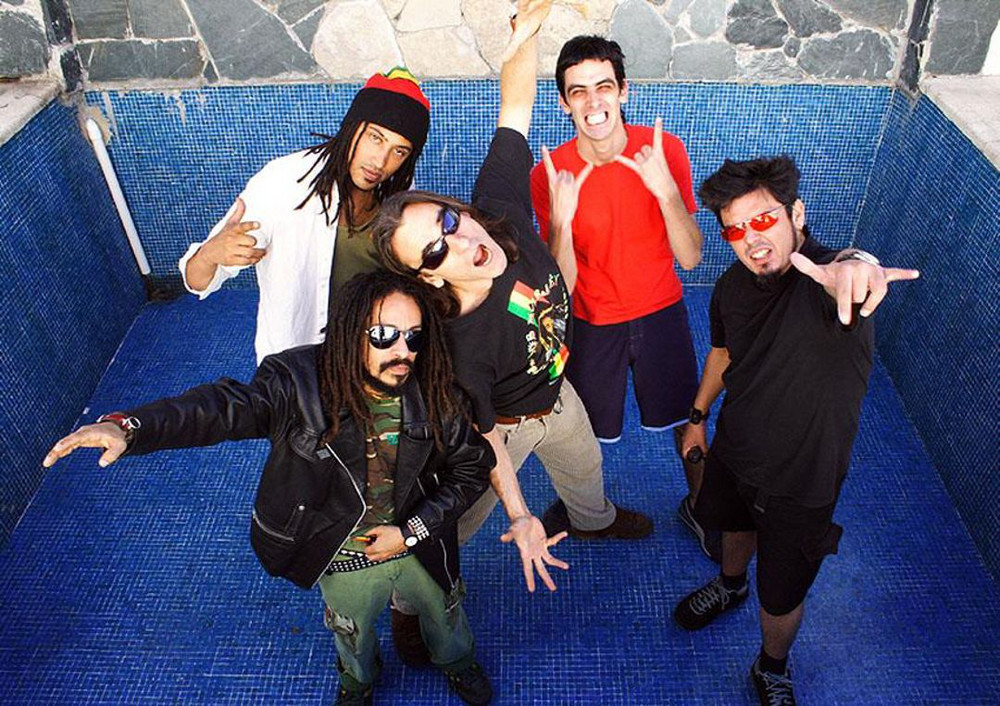
Ganja
Mexican Ska
Reggae
Roots Reggae
3
/5
Antidoping
Mexican Ska
Musica Quintanarroense
Musica Sudcaliforniana
2
/5
Timo Pacheco
Mexican Ska
Ska
Spanish-Language Reggae
2
/5
Rastrillos
Mexican Ska
Reggae
Roots Reggae
2
/5
Cabrito Vudú
Mexican Ska
Musica Quintanarroense
Rock En Español
1
/5
Leones Negros & Atletas Campesinos
Mexican Ska
Reggae Rock
Ska
1
/5
Cafe Con Tequila
Mexican Ska
Ska
Ska Punk
4
/5
Los Ángeles Azules
Cumbia Mexicana
Latin
Cumbia
Download our mobile app
Get the Melodigging app and start digging for new genres on the go
Download on the App Store
Get it on Google Play
© 2026 Melodigging
Give feedback
Legal
Melodding was created as a tribute to
Every Noise at Once
, which inspired us to help curious minds keep digging into music's ever-evolving genres.