Genres
Artists
Albums
Make Music
Sign in
Sign in
Artists
Dembow
Artists
Dembow
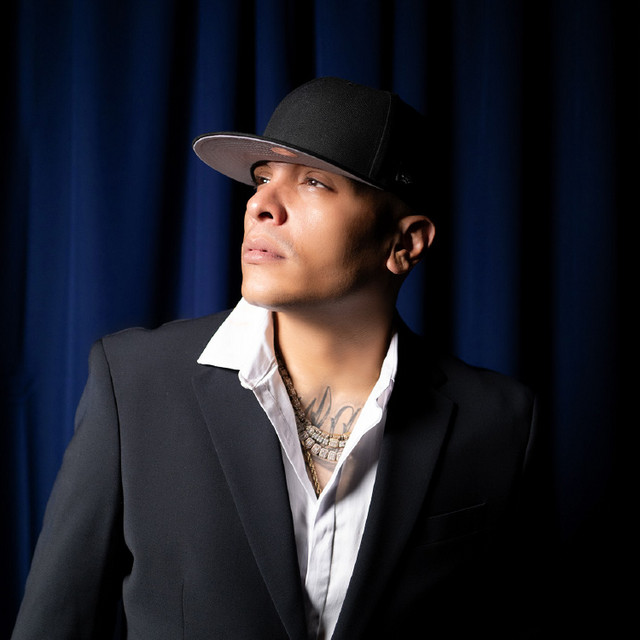
Don Miguelo
2014–2021
·
3 albums
Listen
4
/5
Genres
Dembow Belico
Dembow bélico is a recent crossover of the Dominican dembow rhythm with the lyrical aesthetics and sonic signifiers of Mexico’s corridos bélicos and broader regional mexicano. It keeps dembow’s relentless, syncopated, club-ready percussion, but injects “bélico” (warlike) storytelling, slang, and iconography drawn from the corridos world. Producers typically fuse fast dembow drums, sirens, and chopped vocal shots with Mexican regional elements like tuba stabs, sierreño/12‑string guitar riffs, and banda-style brass hits. The result is a high-energy, gritty, and party-oriented sound that also carries the bravado and conflict-laced narratives characteristic of corridos bélicos.
Discover
Listen
Shatta
Shatta is a raw, high-energy French Caribbean take on dancehall that crystallized in the 2010s within the Guadeloupe–Martinique scene. It is powered by hard-hitting dembow-derived grooves, booming 808 sub-bass, clipped snares, and sirens/airhorns designed for clubs and car sound systems. Vocals—often in Antillean Creole and French—favor short, repetitive hooks, call-and-response chants, and provocative, party-focused or streetwise themes. Stylistically, Shatta blends Jamaican dancehall attitude with local French Antillean aesthetics (and some bouyon drive), plus trap-era sound design. The result is an aggressive, minimal, dancefloor-first sound that’s immediately “bashment” in feel yet distinct to the FWI (French West Indies).
Discover
Listen
Previa
Previa is a contemporary Argentine pre‑party DJ style built around high‑energy edits, bootlegs, and mashups designed to kick off the night. The name comes from the colloquial “la previa,” the pregame gathering before going out, and the music’s job is to turn familiar Latin pop, reggaeton, and regional hits into floor‑ready, faster, harder versions. Sonically, previa lives between tech‑house tempo and reggaeton sensibilities: hooks are sped up, drops hit with big sidechained bass, and builds are short and dramatic. DJs chop sing‑along choruses, stack hypechants and FX, and slam dembow or four‑on‑the‑floor kick patterns under recognizable vocals. The vibe is extroverted, party‑starting, and unapologetically functional—made for mass sing‑backs and immediate dancing.
Discover
Listen
Reparto
Reparto is a contemporary Cuban urban dance genre that grew out of Havana’s neighborhood (“el reparto”) party circuits. It is built for high-energy street dancing, emphasizing syncopated, loop-based rhythms, shouted hooks, and a raw, percussive low-end that often feels closer to club-ready reggaeton than to traditional Cuban pop. A distinctive trait is the incorporation of Cuban music elements—especially salsa-derived rhythmic language and, in many productions, salsa-like guitar picking patterns that add a bright, montuno-adjacent drive over modern drum programming. Vocals typically alternate between rap-style delivery, call-and-response chants, and catchy repeated slogans designed for crowd participation.
Discover
Listen
Twerk
Twerk is a high-energy club and festival style built around pounding 808 bass, head-nodding half‑time grooves at double‑time feel, and chantable hooks designed for the dancefloor. Typically sitting near 95–110 BPM, its percussion borrows the call‑and‑response patterns and bounce of New Orleans Bounce while embracing the sub‑heavy thump and party-forward attitude of Miami Bass. Modern productions often fold in trap-style hi-hats, crowd commands, and minimal, catchy riffs, prioritizing rhythm and movement over complex harmony.
Discover
Listen
Big Room House
Big room house is a festival-focused strain of EDM built for massive sound systems and outdoor main stages. It typically runs around 126–132 BPM (most commonly 128), uses four-on-the-floor kick patterns, and features huge, simple lead riffs designed to be instantly memorable to large crowds. A defining trait is the contrast between cinematic, reverb-washed breakdowns and ultra-dry, percussive drops driven by a powerful kick, sub, and a few bold supersaw or horn-like synth stabs. Arrangements lean on dramatic builds with snare rolls, risers, and crowd-hyping vocal chops, culminating in drops that emphasize impact over harmonic complexity.
Discover
Listen
Pop Urbaine
Pop urbaine is a French mainstream pop style that blends contemporary R&B, hip hop, Afrobeats, dancehall, zouk, raï, and reggaeton with chart‑friendly songwriting. It emphasizes melodic hooks, mid‑tempo grooves, and sleek vocal production (often with Auto‑Tune) while foregrounding everyday, romantic, and nightlife themes in colloquial French. Rhythmically it favors syncopated Afro‑Caribbean patterns, sparse but bouncy 808 drums, and light guitar or synth plucks, creating a buoyant, danceable feel without the aggressiveness of club music. Vocals typically alternate between sung refrains and rap‑influenced verses, with catchy refrains designed for streaming and social media virality. The genre became a defining sound of French popular culture in the late 2010s, driven by a new generation of Francophone artists with diasporic roots who globalized French pop while keeping its language and local slang at the center.
Discover
Listen
Urban Kiz
Urban Kiz is a contemporary, club-oriented offshoot of kizomba that took shape in Europe—especially in Paris—in the early-to-mid 2010s. It adapts the sensual, close-connection feel of kizomba to straighter, trap- and R&B-influenced beats with pronounced bass lines, crisp hi‑hats, and engineered breaks that suit the stop‑and‑go aesthetics of Urban Kiz social dancing. Musically, it favors 4/4 grooves around 88–102 BPM, less of the lilting/zouk swing found in classic kizomba, and more linear phrasing with dramatic drops, filters, and space for micro-pauses. Vocals (often in Portuguese, French, Cape Verdean Creole, or English) may be original toplines, sampled phrases, or R&B‑style hooks layered over sleek electronic production. Producers frequently label releases or remixes specifically for "Urban Kiz" floors, reinforcing the genre’s identity within the partner‑dance scene.
Discover
Listen
Dembow
Dembow is a high‑energy Dominican style that takes the classic Jamaican "Dem Bow" dancehall riddim and pushes it faster and harder. Emerging in the early 1990s, it developed alongside reggaeton but in the Dominican Republic it evolved into its own club‑centric form with rapid tempos, chant‑like vocals, and minimal, loop‑driven arrangements. The core of dembow is the sped‑up Dem Bow drum pattern—thudding kicks, crisp snares, off‑beat hi‑hats, and frequent cowbells—often paired with distorted 808s and short, catchy hooks. Lyrically it favors street slang, party themes, and call‑and‑response delivery designed for dance floors and block parties.
Discover
Listen
Reggaeton
Reggaeton is a contemporary urban dance music that blends the dembow rhythm of Jamaican dancehall with hip hop’s MC culture and Caribbean–Latin melodic sensibilities. Its hallmark is the propulsive, syncopated “dembow” drum pattern, typically around 85–100 BPM (often felt in half-time), which powers energetic verses and catchy, sung hooks. Lyrically, reggaeton is most often in Spanish or Spanglish and centers on dance, nightlife, flirtation, romance, and street life, with a performance style that alternates between rapped bars and melodic chorus lines. Production emphasizes tight, punchy drums, rolling 808 sub-bass, percussive plucks or stabs, and bright, hook-forward toplines—crafted for the club and tailored for crowd participation and perreo.
Discover
Listen
Latin Hip Hop
Latin hip hop is a hip hop movement driven by Latino and Latin American diasporic communities, blending classic rap aesthetics with Latin rhythms, language, and cultural references. It often features bilingual (Spanish–English/Spanglish) lyricism, sampling and instrumentation that draw from salsa, merengue, cumbia, boogaloo, and funk, and production styles that range from boom‑bap and G‑funk to Miami bass, Southern bounce, and modern trap. Thematically, it spans identity, immigration, barrio life, pride, social commentary, and party culture, balancing gritty street narratives with celebratory hooks and chantable coros. Regional scenes in Los Angeles, New York, and Miami were foundational, later spreading across Puerto Rico, Mexico, and the rest of Latin America, and ultimately converging with the wider “urbano” ecosystem (including reggaeton and Latin trap).
Discover
Listen
Latin
Latin (as a genre label) is a broad umbrella used by the recording industry to categorize popular music rooted in Latin America, the Caribbean, and the Iberian world, often characterized by syncopated Afro-diasporic rhythms, dance-forward grooves, and lyrics primarily in Spanish or Portuguese. As a marketplace category that took shape in the mid-20th century United States, it gathers diverse traditions—Afro-Cuban, Brazilian, Mexican, and Caribbean styles—into a shared space. In practice, "Latin" spans everything from big-band mambo and bolero ballads to contemporary pop, rock, hip hop, and dance fusions produced by artists of Latin American heritage.
Discover
Listen
Show all 12 genres
Albums
2021
2
/5
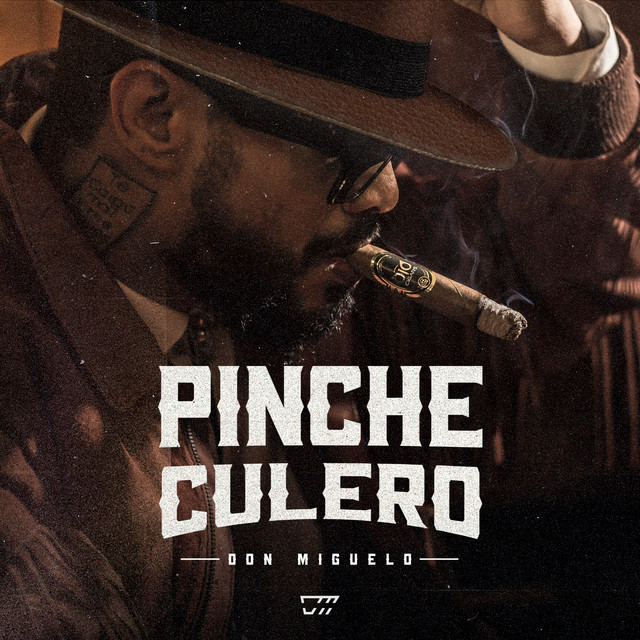
Pinche Culero - Pompi Pompi
Don Miguelo
Shatta
2020
4
/5
Y Que Fue?
Don Miguelo
Dembow
Shatta
Latin Hip Hop
2014
4
/5
Como Yo Le Doy
Don Miguelo
Shatta
Similar artists
5
/5
Nicky Jam
Reggaeton
Latin
Latin Hip Hop
5
/5
Bryant Myers
Dembow
Trap
Reggaeton
4
/5
El Alfa
Dembow
Latin
Basshall
4
/5
Darell
Dembow
Reggaeton
Trap Latino
4
/5
Tokischa
Latin Rap
Dembow
Neoperreo
4
/5
Lomiiel
Dembow
Latin Afrobeat
Previa
5
/5
Noriel
Trap Latino
Trap Boricua
Argentine Trap
4
/5
NTG
Dembow
Melodic Drill
Previa
4
/5
Lirico En La Casa
Latin House
Dembow
Gogeo
3
/5
Sensato
Dembow
Previa
Reparto
Download our mobile app
Get the Melodigging app and start digging for new genres on the go
Download on the App Store
Get it on Google Play
© 2026 Melodigging
Give feedback
Legal
Melodding was created as a tribute to
Every Noise at Once
, which inspired us to help curious minds keep digging into music's ever-evolving genres.