Genres
Artists
Albums
Make Music
Sign in
Sign in
Artists
Americana
Artists
Americana
Dead Brothers, The
2010
·
1 album
Listen
Genres
Americana
Americana is a contemporary umbrella term for U.S. roots music that blends folk, country, blues, bluegrass, gospel, and roots rock into a songwriter-centered, largely acoustic-leaning sound. Hallmarks include story-driven lyrics; warm, organic production; and traditional instrumentation such as acoustic guitar, mandolin, banjo, fiddle, harmonica, pedal steel, upright or electric bass, and restrained drums. Rhythms often draw on the train beat, shuffles, two-step, waltz time, and relaxed backbeats. Harmonically it favors diatonic progressions (I–IV–V, I–vi–IV–V), modal tinges (Mixolydian), and close vocal harmonies. Rather than a rigid style, Americana functions as a bridge among related roots traditions, emphasizing authenticity, regional imagery, and narrative songwriting over genre flashiness.
Discover
Listen
Dark Cabaret
Dark cabaret is a theatrical, macabre-tinged revival of early 20th‑century cabaret filtered through post‑punk and goth sensibilities. It embraces piano‑led or accordion‑driven songwriting, minor‑key harmonies, and stylized storytelling that draws on Weimar‑era satire, black humor, and noir imagery. Performances are as central as the songs: vocal delivery tends to be expressive and characterful, arrangements are chamber‑like (strings, woodwinds, percussion), and shows often incorporate burlesque, sideshow, and vaudeville aesthetics. Lyrically, dark cabaret juxtaposes romance and ruin, tragedy and farce, exploring themes like decadence, crime, obsession, and the grotesque with a wink and a knife‑edge.
Discover
Listen
Garage Punk Blues
Garage punk blues is a raw, high-energy rock style that fuses the primitive urgency of garage punk with the riff language, swagger, and call-and-response attitude of electric blues. It typically features overdriven guitars, simple but hooky riffs, driving backbeats, and vocals that lean more toward shouting, sneering, and yelping than polished singing. The sound is intentionally lo-fi or rough-edged, emphasizing feel, grit, and immediacy over technical precision, while keeping blues-based phrasing and pentatonic vocabulary at its core.
Discover
Listen
Dark Folk
Dark folk is a somber, acoustic-centered branch of folk that blends minor-key songwriting with post-industrial atmospheres and gothic aesthetics. It often favors intimate, close-mic’d vocals; fingerpicked classical or steel‑string guitars; and sparse, martial or ritual percussion. Arrangements tend to be minimalist yet textural: drones, harmonium or accordion beds, bowed strings (violin, cello), and occasional field recordings or analog hiss deepen the mood. Lyrics explore themes of memory, decay, paganism, esotericism, romanticism, and the natural world, presented in a reflective or incantatory tone. The result is music that feels both archaic and modern—rural in timbre yet post-industrial in spirit.
Discover
Listen
Folk
Folk is a song-centered acoustic tradition rooted in community storytelling, everyday life, and social history. It emphasizes clear melodies, simple harmonies, and lyrics that foreground narrative, protest, and personal testimony. As a modern recorded genre, folk coalesced in the early-to-mid 20th century in the United States out of older ballad, work song, and rural dance traditions. It typically features acoustic instruments (guitar, banjo, fiddle, mandolin, harmonica), strophic song forms, and participatory singing (choruses, call-and-response).
Discover
Listen
Country Blues
Country blues—also called rural blues or folk blues—is the earliest widely documented form of the blues, rooted in the everyday music-making of African Americans in the rural American South. It typically features a solo singer accompanying themselves on acoustic guitar, with flexible time, expressive vocal delivery, and abundant use of blue notes. While 12‑bar structures are common, country blues often stretches or compresses measures to fit the lyric, making phrasing elastic and conversational. Regional flavors emerged—Delta (driving, droning thumb bass and slide), Piedmont (ragtime‑inflected fingerpicking), and Texas (looser phrasing and single‑string leads)—but all share storytelling lyrics about work, travel, love, hardship, and spiritual longing.
Discover
Listen
Blues
Blues is an African American musical tradition defined by expressive "blue notes," call-and-response phrasing, and a characteristic use of dominant-seventh harmony in cyclical song forms (most famously the 12‑bar blues). It is as much a feeling as a form, conveying sorrow, resilience, humor, and hard-won joy. Musically, blues commonly employs the I–IV–V progression, swung or shuffled rhythms, and the AAB lyric stanza. Melodies lean on the minor/major third ambiguity and the flattened fifth and seventh degrees. Core instruments include voice, guitar (acoustic or electric), harmonica, piano, bass, and drums, with slide guitar, bends, and vocal melismas as signature techniques. Over time the blues has diversified into regional and stylistic currents—Delta and Piedmont country blues, urban Chicago and Texas blues, West Coast jump and boogie-woogie—while profoundly shaping jazz, rhythm & blues, rock and roll, soul, funk, and much of modern popular music.
Discover
Listen
Cabaret
Cabaret is an intimate form of stage entertainment centered on songs, witty monologues, satire, and character pieces, typically presented in small rooms with table seating and a master of ceremonies. Performers address the audience directly, and the atmosphere is conversational, risqué, and often politically or socially pointed. Musically, cabaret blends the French chanson tradition with Weimar-era “Kabarett” and, later, American torch-song and jazz idioms. Arrangements are usually piano-led with small ensembles (accordion, violin, clarinet, upright bass, light percussion), supporting nuanced storytelling and dramatic delivery. Vocal approaches range from parlando (speech-like) delivery to a smoky croon. Common grooves include waltz and musette-inflected 3/4, tango and habanera patterns, foxtrot, and slow blues; harmonies are tonal with chromatic color and expressive rubato. Lyrics favor irony, double entendre, longing, and social commentary.
Discover
Listen
Show all 8 genres
Albums
2010
3
/5
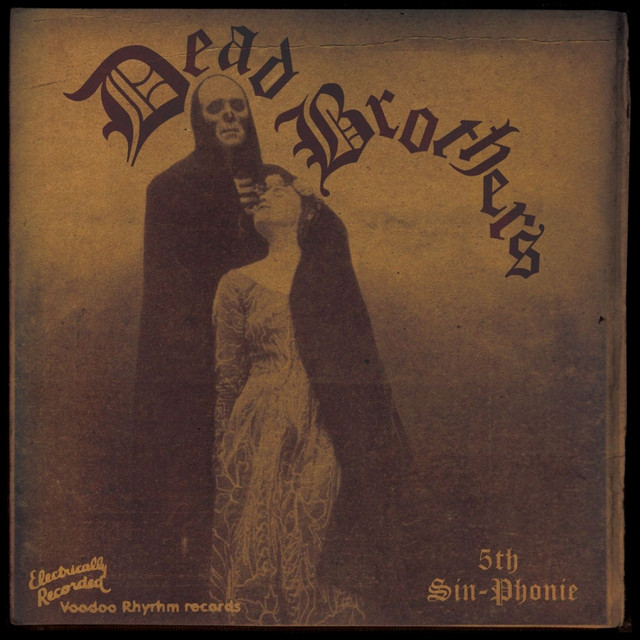
5th Sin-Phonie
The Dead Brothers
Garage Punk Blues
Americana
Country Blues
Similar artists
1
/5
Various Artists
Afro-Funk
Alternative Rock
Ambient
3
/5
Ry Cooder
Piedmont Blues
Blues
Jazz
3
/5
Doc Watson
Appalachian Folk
Bluegrass
Folk
3
/5
Chris Smither
Blues
Acoustic Blues
Americana
3
/5
Charlie Parr
Piedmont Blues
Folk
Americana
3
/5
Dave Alvin
Americana
Outlaw Country
Roots Rock
2
/5
Left Lane Cruiser
Garage Punk Blues
Blues
Blues Rock
2
/5
Ray Bonneville
Americana
Blues
Blues Rock
2
/5
The Reverend Peyton's Big Damn Band
Americana
Bluegrass
Blues
1
/5
Phil Alvin
Americana
Roots Rock
Southern Gothic
Download our mobile app
Get the Melodigging app and start digging for new genres on the go
Download on the App Store
Get it on Google Play
© 2026 Melodigging
Give feedback
Legal
Melodding was created as a tribute to
Every Noise at Once
, which inspired us to help curious minds keep digging into music's ever-evolving genres.