Genres
Artists
Albums
Make Music
Sign in
Sign in
Artists
Orchestral
Artists
Orchestral
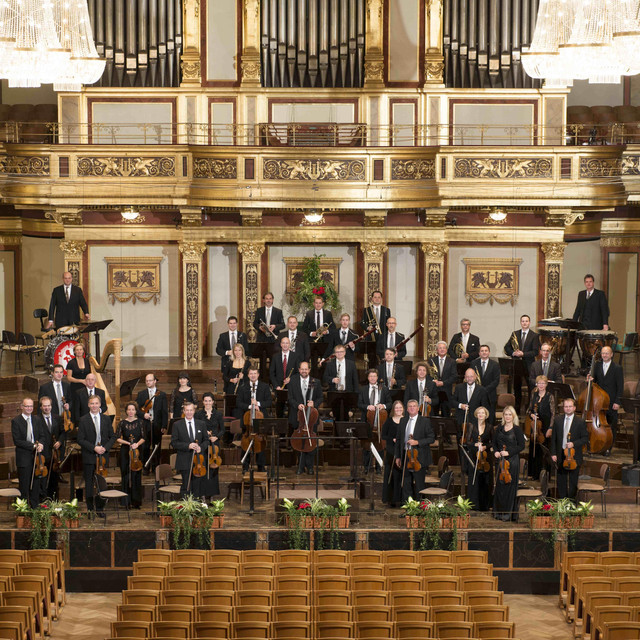
Das Orchester Claudius Alzner
1992
·
1 album
Listen
2
/5
Genres
Bouzouki
Bouzouki is a genre centered on the Greek long‑necked lute called the bouzouki, whose bright, metallic timbre and rapid tremolo picking carry melodies, riffs, and improvised preludes (taximia). It emerged in urban Greece from the rebetiko milieu and later became a leading sound of laïko (Greek popular song), dance forms such as zeibekiko and hasapiko, and film and stage scores. Stylistically it is modal rather than strictly functional-harmonic, drawing on the Ottoman/Turkish makam system (Greek dromoi such as Hitzaz/Hijaz, Ousak/Uşşâk, Rast, and Sabah). Typical grooves include asymmetric 9/8 zeibekiko (often grouped 2‑2‑2‑3), 4/4 hasapiko and tsifteteli, and lively 2/4 hasaposerviko. Instrumentally, the lead trichordo (three-course) or tetrachordo (four-course) bouzouki converses with guitar, baglamas (a smaller bouzouki), bass, hand percussion, and sometimes violin or clarinet. Over time, bouzouki playing expanded from smoky cafés and hashish dens to concert halls and studios, modernized with the tetrachordo setup and amplified sound, and ultimately influenced Celtic folk ensembles via the Irish bouzouki adaptation.
Discover
Listen
Polka
Polka is a lively Central European couple dance and musical style in a brisk 2/4 meter, characterized by its buoyant “oom‑pah” bass-chord accompaniment and bright, diatonic melodies. Originating in Bohemia (today’s Czech Republic) in the early 19th century, it quickly became a pan-European craze before taking root across immigrant communities in the Americas. Ensembles typically feature accordion or button box/concertina, clarinet or saxophone, trumpets/trombone, tuba or string bass, and drum kit, with regional variants highlighting different lead voices and rhythmic feels. While the classical ballroom tradition codified polka into formal strains (often AABB with a contrasting trio), folk and popular styles favor singable tunes, simple I–IV–V harmonies, and tempos commonly around 115–135 BPM, inviting upbeat social dancing and communal celebration.
Discover
Listen
Orchestral
Orchestral music refers to compositions written for an orchestra—a large ensemble typically built around a string section (violins, violas, cellos, double basses), complemented by woodwinds, brass, percussion, and often harp, keyboard, or other auxiliary instruments. A conductor coordinates the ensemble, shaping balance, phrasing, and expression. The style emphasizes coloristic timbre combinations, dynamic range from the softest pianissimo to explosive tuttis, and textures that can shift seamlessly between transparent chamber-like writing and monumental masses of sound. Orchestral writing underpins concert genres such as symphonies, overtures, and tone poems, as well as opera, ballet, and modern film and game scores. While orchestral writing evolved across centuries, its core craft centers on melody, counterpoint, harmony, register, and orchestration—the art of assigning musical ideas to instruments to achieve clarity, contrast, and narrative impact.
Discover
Listen
Albums
1992
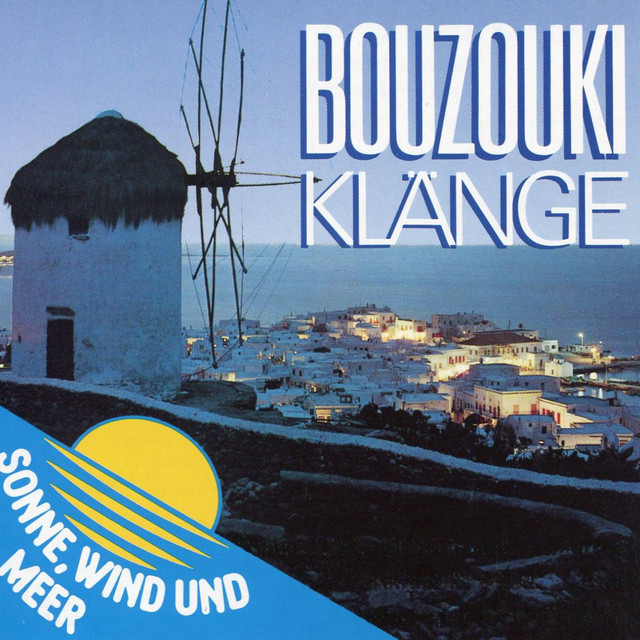
Bouzouki-Klänge
Bouzouki-Ensemble Bilek-Nejez, Das Orchester Claudius Alzner
Bouzouki
Similar artists
3
/5
Slovak State Philharmonic Orchestra, Kosice
Classical
Orchestral
Polka
3
/5
Wiener Johann Strauss Orchester
Classical
Orchestral
Polka
2
/5
Strato-Vani
Orchestral
Polka
2
/5
Tivoli Symphony Orchestra
Orchestral
Polka
1
/5
The Scottish Fiddle Orchestra
Celtic
Orchestral
Polka
1
/5
Rudolf Streicher
Orchestral
Polka
1
/5
Various Artists
Soundtrack
Afro-Funk
Alternative Rock
3
/5
Bedřich Smetana
Classical
Romantic Classical
Symphonic Poem
5
/5
Daft Punk
Electronic
Filter House
Electro
5
/5
Hans Zimmer
Country Dawn
Soundtrack
Classical
Download our mobile app
Get the Melodigging app and start digging for new genres on the go
Download on the App Store
Get it on Google Play
© 2026 Melodigging
Give feedback
Legal
Melodding was created as a tribute to
Every Noise at Once
, which inspired us to help curious minds keep digging into music's ever-evolving genres.