Genres
Artists
Albums
Make Music
Sign in
Sign in
Artists
Bolero
Artists
Bolero
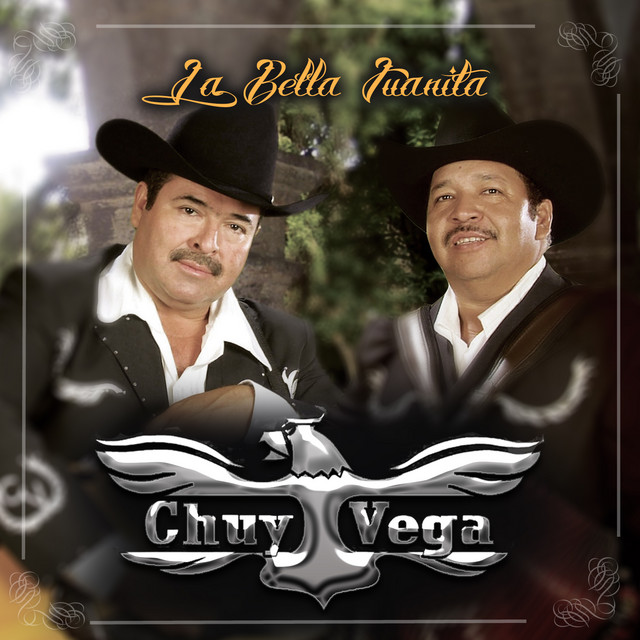
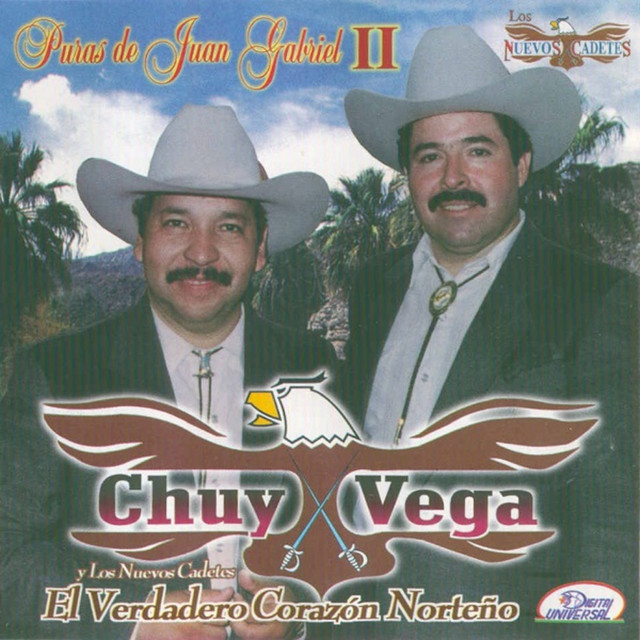
Chuy Vega
2013
·
1 album
Listen
3
/5
Genres
Classic Sierreno
Classic sierreño is a traditional branch of regional mexicano built around small, guitar‑led ensembles from the mountainous northwestern states of Mexico. The core sound features bright, ringing 12‑string guitar (guitarra de 12) interlocking with requinto lead lines and a low acoustic bass voice (tololoche or guitar‑bass), supporting tight, close‑harmony singing. Repertoire mixes romantic canciones and ranchera‑style waltzes with narrative corridos and brisk polkas. Compared with later, more amplified or hybrid sierreño variants, the classic approach stays largely acoustic, intimate, and rural in feel, favoring transparent arrangements, steady dance grooves, and emotive, story‑forward lyrics.
Discover
Listen
Norteño
Norteño (música norteña) is a Mexican regional style built around the bright timbre of the diatonic button accordion and the driving strum of the bajo sexto. Rooted in borderland dance music, it blends Central European polka, waltz, and schottische rhythms with Mexican corrido storytelling and ranchera songcraft. Characterized by brisk 2/4 polkas and lilting 3/4 waltzes, norteño songs range from narrative corridos about migration and everyday struggles to romantic ballads and party tunes. Traditional ensembles used tololoche (upright bass) and snare, while modern groups often add electric bass, full drum kits, and occasionally tenor sax (in the norteño-sax substyle) or tuba (in norteño-banda). The result is a dance-forward, story-rich music that bridges rural and urban audiences on both sides of the U.S.–Mexico border.
Discover
Listen
Regional Mexicano
Regional Mexicano (Música Mexicana) is an umbrella term for folk-derived regional styles from Mexico and their Mexican American continuations in the Southwestern United States. Rather than one single sound, it gathers subgenres tied to specific regions—such as mariachi and ranchera (Jalisco/Centro-Occidente), norteño and sierreño (Norte), banda sinaloense (Sinaloa), and narrative corridos that travel nationwide. Its foundations reach back to the 16th–19th centuries, when Indigenous musical practices fused with Spanish song forms, African rhythms, and European dance-band traditions (polka, waltz, schottische), later meeting brass-band instrumentation and, in the North, accordion-led ensembles. In the 20th century it consolidated through radio, cinema, and records, and in the late 20th century became a major Spanish-language radio format in the U.S. Today it ranges from emotive ranchera ballads to high-energy banda and norteño dance music and modern corridos that reflect contemporary social life.
Discover
Listen
Corrido
Corrido is a Mexican narrative ballad tradition that tells real or imagined stories about heroes, outlaws, battles, tragedies, and contemporary events. It is strophic, usually built from octosyllabic lines organized into quatrains with assonant rhyme, and features a declamatory vocal delivery designed to make the storyline clear. Musically, corridos are commonly set to dance-derived rhythms such as polka in 2/4 or waltz in 3/4, reflecting 19th‑century European influences absorbed in northern Mexico. They are performed by different ensembles—most famously norteño groups with accordion and bajo sexto, mariachi with violins and trumpets, or banda with brass and tuba—yet the poetic form and storytelling remain central. Typical corridos open with a saludo (greeting/announcement), present the narrative in chronological episodes rich with names, places, and dates, and close with a despedida (farewell or moral). Modern variants include narcocorridos and, more recently, corridos tumbados that fuse the narrative form with contemporary urban and trap aesthetics.
Discover
Listen
Bolero
Bolero is both a Spanish dance-music form from the late 18th century and, later, a Cuban song style from the late 19th century. The Spanish bolero emerged as a moderately slow solo or partner dance in 3/4 time, shaped by Andalusian song-dance traditions. It typically features guitar accompaniment and castanets, and its sung texts often follow the seguidilla stanza pattern. In Cuba, bolero evolved into a romantic ballad—most often in 2/4 (later also felt in 4/4)—performed by singers, trios, and salon ensembles. Cuban bolero emphasizes intimate, lyrical melodies, guitar-led accompaniment (often with requinto), and gentle Afro-Caribbean rhythmic undercurrents (habanera feel, soft bongo, claves), becoming one of Latin America’s quintessential love-song forms.
Discover
Listen
Albums
2013
3
/5
Sólo Exitos una Pagina Mas
Chuy Vega
Classic Sierreno
Similar artists
5
/5
Vicente Fernández
Bolero
Mariachi
Ranchera
4
/5
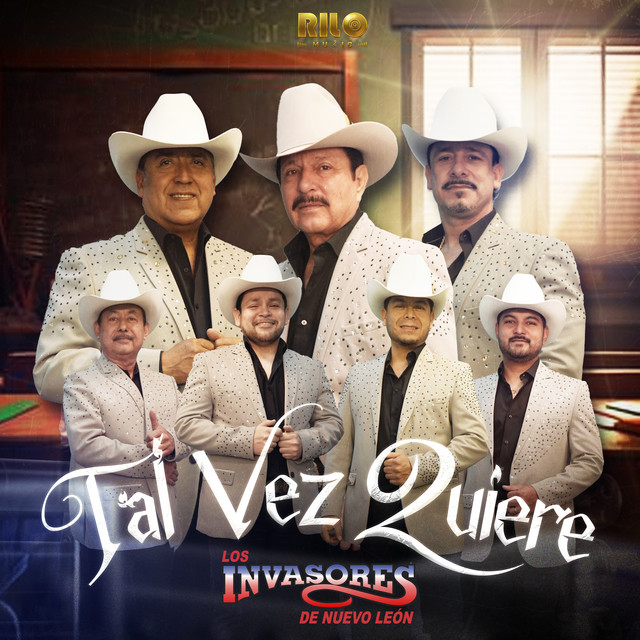
Los Invasores De Nuevo León
Corrido
Banda
Bolero
4
/5
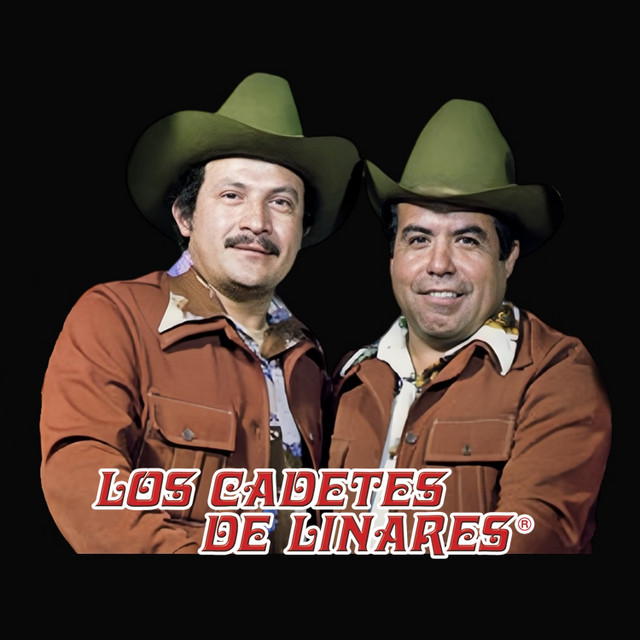
Los Cadetes De Linares
Banda
Bolero
Corrido
4
/5
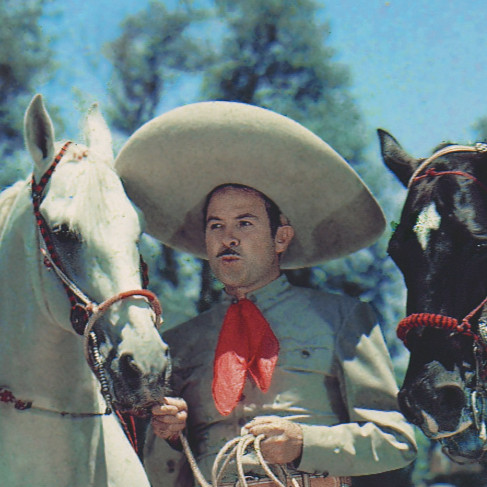
Antonio Aguilar
Corrido
Mariachi
Bolero
3
/5
Chuy Vega Y Los Nuevos Cadetes
Bolero
Corrido
Norteño
3
/5
Eliseo Robles
Bolero
Corrido
Grupera
3
/5
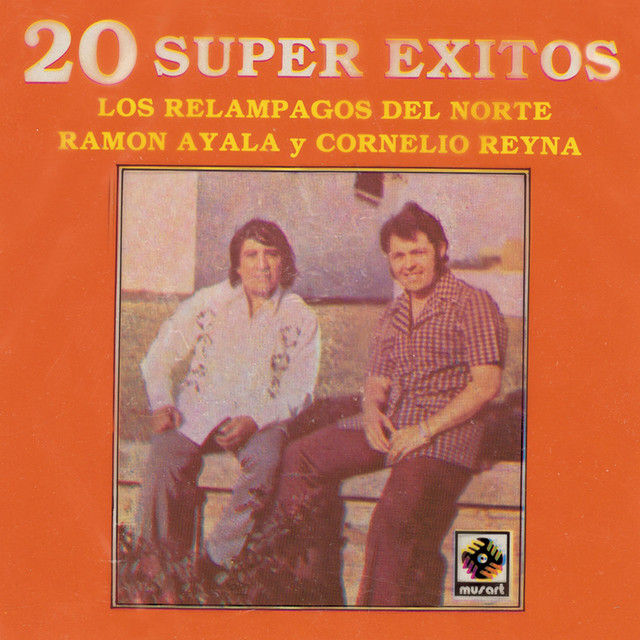
Los Relampagos Del Norte
Norteño
Ranchera
Bolero
3
/5
Eliseo Robles Y Los Barbaros Del Norte
Bolero
Corrido
Cumbia Norteña Mexicana
2
/5
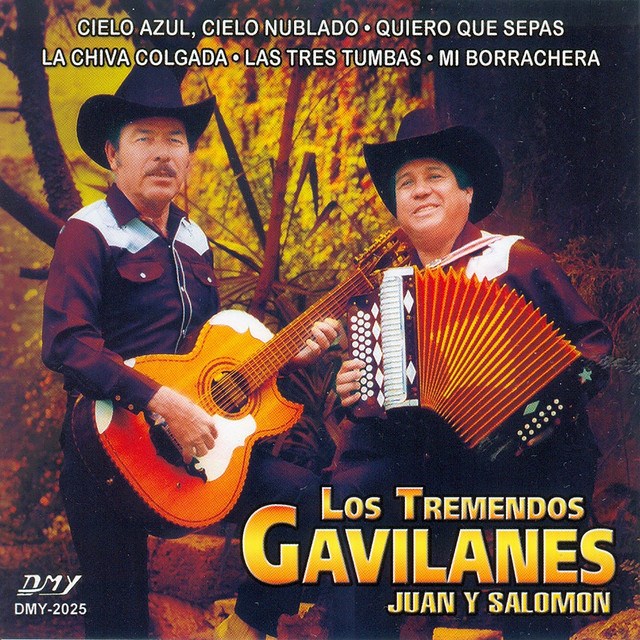
Los Tremendos Gavilanes
Corrido
Bolero
Norteño
2
/5
Samuel Y Homero
Bolero
Corrido
Norteño
Download our mobile app
Get the Melodigging app and start digging for new genres on the go
Download on the App Store
Get it on Google Play
© 2026 Melodigging
Give feedback
Legal
Melodding was created as a tribute to
Every Noise at Once
, which inspired us to help curious minds keep digging into music's ever-evolving genres.