Genres
Artists
Albums
Make Music
Sign in
Sign in
Artists
Baroque
Artists
Baroque
Christopher Monks
2000
·
1 album
Listen
2
/5
Genres
Bardcore
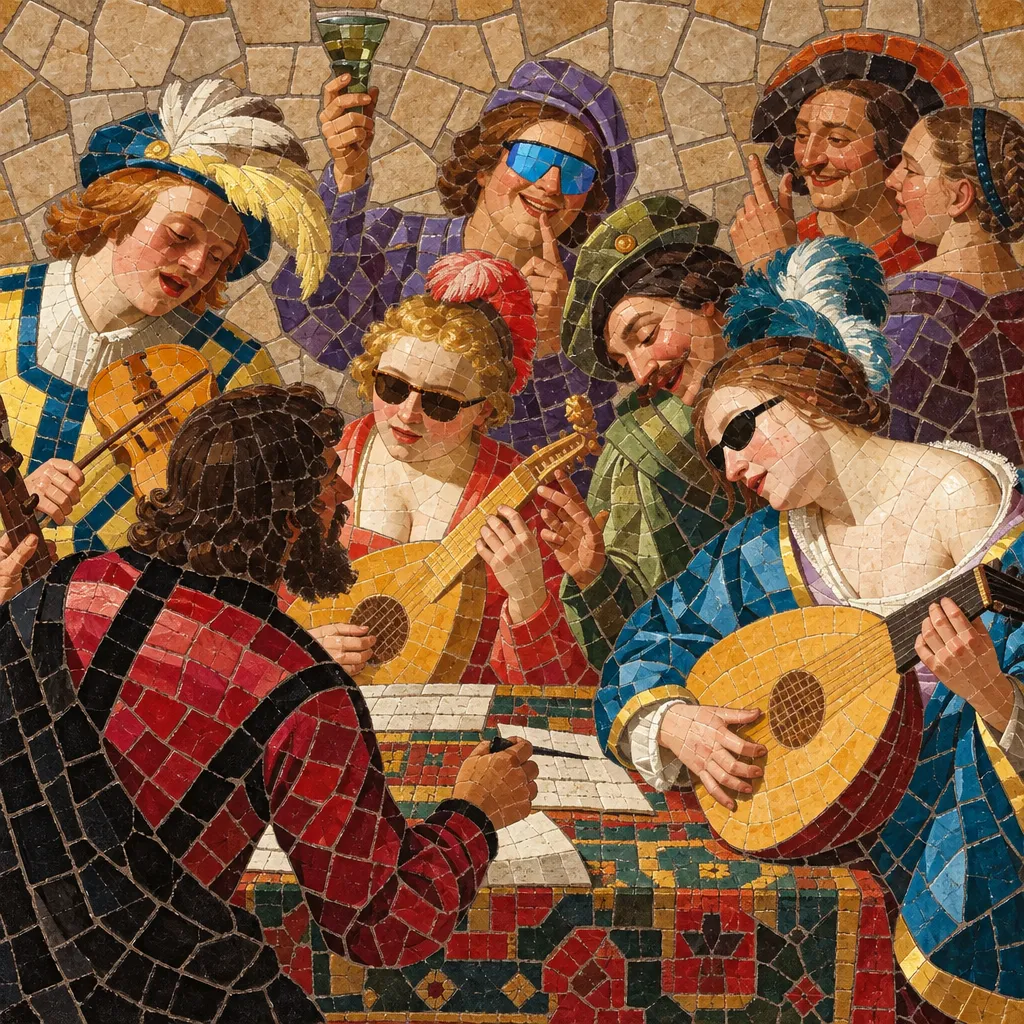
Bardcore is an internet-born microgenre in which contemporary pop, hip hop, and rock songs are reimagined as if performed by medieval or early Renaissance minstrels. Arrangements typically substitute modern instrumentation with lutes, harps, recorders, hurdy-gurdies, rebecs, shawms, hand drums, and choir-like vocals, while adapting melodies and harmonies to modal idioms (Dorian, Aeolian, Mixolydian). Lyrics are often translated into faux Middle English or archaic diction, and mixes are treated with intimate, stone-room reverbs to evoke a historical ambience. The result is a playful blend of historical pastiche and modern earworms that embraces both meme culture and early-music aesthetics.
Discover
Listen
Hopepunk
Hopepunk is a contemporary pop/indie aesthetic and genre label that treats optimism, care, and collective action as acts of defiance. Instead of cynicism or nihilism, it centers clear-eyed hope, mutual aid, and resilience in the face of adversity. Musically, hopepunk leans on warm, luminous palettes—shimmering synths, jangly or clean guitars, spacious pads, and chantable, anthemic choruses. Mid‑tempo grooves, major keys with tasteful modal color, stacked harmonies, and dynamic builds support lyrics about community, empathy, and perseverance. The result is music that feels emotionally honest yet energizing, inviting listeners to imagine and participate in better futures.
Discover
Listen
Baroque
Baroque is a period and style of Western art music spanning roughly 1600–1750. It is characterized by the birth of functional tonality, the widespread use of basso continuo (figured bass), and a love of contrast—between soloist and ensemble, loud and soft, and different timbres. Hallmark genres and forms of the era include opera, cantata, oratorio, concerto (especially the concerto grosso), dance suite, sonata, and fugue. Textures range from expressive monody to intricate counterpoint, and melodies are richly ornamented with trills, mordents, and appoggiaturas. Baroque music flourished in churches, courts, and theaters across Europe, with regional styles (Italian, French, German, English) shaping distinctive approaches to rhythm, dance, harmony, and ornamentation.
Discover
Listen
Cathedral Choir
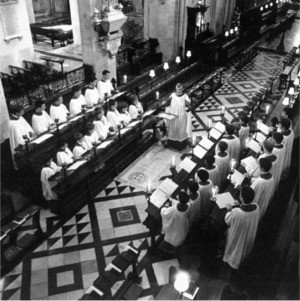
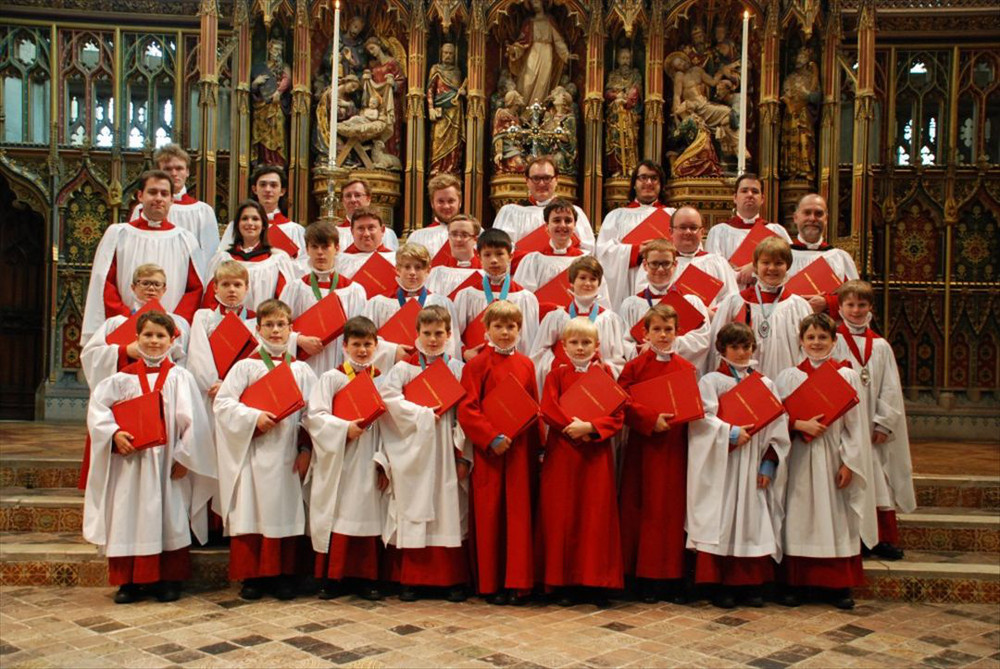
Cathedral choir is the choral tradition attached to Anglican and (later) Roman Catholic cathedrals in Britain, defined by daily liturgical singing in large, reverberant ecclesiastical spaces. The core sound emphasizes a pure, blended tone; treble lines historically sung by boys (in many places now also girls) supported by adult altos (often countertenors), tenors, and basses, with pipe organ accompaniment. Its repertory spans psalmody (often to Anglican chant), anthems, services (settings of the Magnificat and Nunc dimittis for Evensong; canticles for Matins and Eucharist), and seasonal carols and hymns. Texts moved from Latin to English after the Reformation, yet Renaissance polyphony, Romantic and 20th‑century cathedral composers (e.g., Stanford, Parry, Howells), and contemporary church music all coexist in the living canon. The hallmark aesthetic is luminous treble melody, long-breathed phrasing shaped by cathedral acoustics, dignified rhetoric, and organ-led harmonic color—at once devotional, architectural, and unmistakably English.
Discover
Listen
Choral
Choral refers to music written for and performed by a choir—an ensemble of voices organized into sections such as soprano, alto, tenor, and bass (SATB), or same-voice groupings (SSA, TTBB). It encompasses both sacred and secular repertoire and may be sung a cappella or with accompaniment by organ, piano, or full orchestra. Stylistically, choral music ranges from chant-like monophony to intricate polyphony and rich homophonic textures. Texts are drawn from liturgy, scripture, poetry, and vernacular sources, and are set in many languages. Performance contexts include church services, concert halls, and community events, making choral one of the most socially embedded and widely practiced forms of ensemble music. Across history, choral music has served as a laboratory for vocal counterpoint, word painting, and text-driven form, while functioning as a cultural bridge among religious rites, national traditions, and contemporary concert practice.
Discover
Listen
Hymns
Hymns are strophic, text-driven songs of praise, devotion, or instruction intended for congregational or communal singing, most closely associated with Christian worship. They typically use clear, memorable melodies, regular poetic meters, and straightforward harmonies so that large groups can sing together with ease. While the concept of a hymn as a sacred song predates Christianity (e.g., in Ancient Greek and Jewish traditions), Christian hymnody coalesced late in the 4th century with Ambrosian practice in Milan and then expanded through Latin and Greek liturgical cultures. Over time, hymn singing moved from monastic and cathedral settings into congregational life, especially after the Protestant Reformation, where metrical psalms and vernacular hymns became a defining feature of worship. Modern hymnody ranges from chant-like, modal melodies without accompaniment to robust, four-part chorale harmonizations with organ, and even contemporary arrangements that adapt classic hymn texts and tunes to newer popular styles.
Discover
Listen
Albums
2000
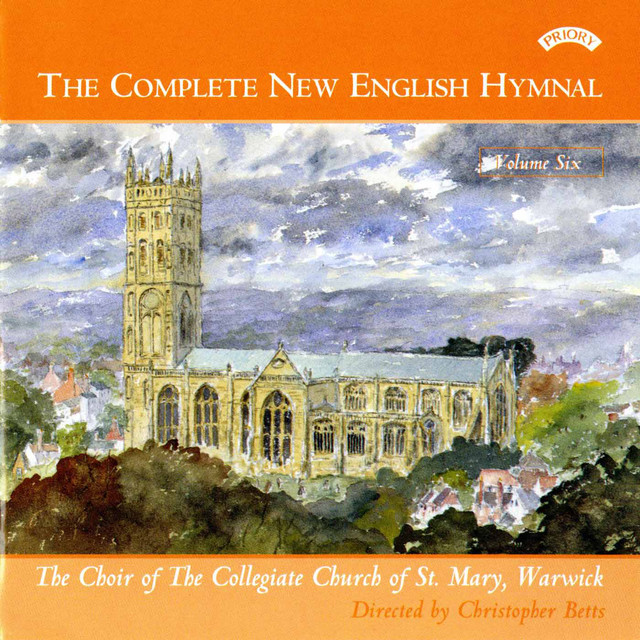
The Complete New English Hymnal, Vol. 6
Collegiate Church of St Mary Warwick Choir, Christopher Monks, Christopher Betts
Cathedral Choir
Similar artists
2
/5
Christ Church Cathedral Choir, Oxford
Baroque
Choral
Hymns
3
/5
Academy of Ancient Music
Classical
Concerto
Baroque
2
/5
Emma Kirkby
Choral
Classical
Baroque
2
/5
James Bowman
Baroque
Choral
Classical
2
/5
David Briggs
Anglican Liturgy
Choral
Christmas Music
2
/5
York Minster Choir
Choral
Hymns
Anglican Liturgy
2
/5
Gloucester Cathedral Choir
Choral
Hymns
Anglican Liturgy
1
/5
The Choir of Christ's College, Cambridge
Choral
Hymns
Cambridge Choir
1
/5
Various Artists
Soundtrack
Afro-Funk
Alternative Rock
3
/5
Christopher Hogwood
Classical
Baroque
Concerto
Download our mobile app
Get the Melodigging app and start digging for new genres on the go
Download on the App Store
Get it on Google Play
© 2026 Melodigging
Give feedback
Legal
Melodding was created as a tribute to
Every Noise at Once
, which inspired us to help curious minds keep digging into music's ever-evolving genres.