Genres
Artists
Albums
Make Music
Sign in
Sign in
Artists
Maloya
Artists
Maloya
Christine Salem
2015–2021
·
2 albums
Listen
2
/5
Genres
Maloya
Maloya is a drum-and-voice–driven music and dance tradition from Réunion Island in the Indian Ocean. It emerged among enslaved Malagasy and East African peoples on sugar plantations and later among indentured laborers, becoming a vehicle for memory, ritual, and resistance. Its sound centers on earthy percussion (notably the deep, barrel-like roulèr drum and the grain-filled kayamb shaker), call-and-response singing in Réunion Creole, and trance-inducing, cyclical rhythms. Melodies tend to be modal and harmonically sparse, with the groove and collective chant taking precedence over chord changes. Beyond the village and ritual context (such as the syncretic servis kabaré ceremonies), maloya became a modern emblem of Réunion identity and political expression. In 2009, UNESCO inscribed maloya on the Representative List of the Intangible Cultural Heritage of Humanity.
Discover
Listen
Seychelles & Mascarene Islands Music
Seychelles & Mascarene Islands music is the Creole-rooted musical landscape that emerged across Mauritius, Réunion, Rodrigues, and the Seychelles in the southwest Indian Ocean. It blends Afro-Malagasy drumming and call-and-response with European (especially French) dance forms and melodies, and later, South Asian (notably Bhojpuri/Indian) influences from indentured communities. Hallmark idioms include the swaying 6/8 of séga and moutya, and the earthy, trance-like pulse of maloya. Core timbres come from hand percussion (ravanne/roulèr), shaker-rattles (kayamb/maravanne), triangles, and the bobre musical bow, with voices delivered in local Creole languages. In the late 20th century, electric instruments and global diasporic styles (reggae, zouk, soca) catalyzed hybrids like seggae and electronic maloya, keeping dance at the center while retaining communal storytelling and resistance themes.
Discover
Listen
Malagasy Music
Malagasy music refers to the extraordinarily diverse musical traditions of Madagascar, shaped by the island’s unique position between Africa and the Austronesian world. Its sound blends Indonesian-derived zithers and tunings with African polyrhythms, call-and-response vocals, and, later, European harmony and song forms. Core instruments include the valiha (bamboo tube zither), marovany (box zither), kabosy (box guitar-lute), lokanga (fiddle), sodina (end-blown flute), and a range of drums such as the hazolahy. In the 20th century, guitar, accordion, and electric bands became common, powering high-energy dance styles like salegy and tsapiky alongside older courtly and theatrical traditions such as hiragasy. Across regions, styles vary widely: Merina highland repertoires favor intricate zithers and multipart singing; the northwest and coastal cities champion fast, rolling 6/8 grooves; the southwest features trance-like guitar ostinatos and communal choruses. The result is a living continuum that moves from intimate, harp-like textures to exuberant, electrified dance music.
Discover
Listen
Malagasy Folk Music
Malagasy folk music is the traditional music of Madagascar, shaped by the island’s Austronesian roots and centuries of contact with mainland Africa and the Indian Ocean world. It is characterized by distinctive plucked zithers (valiha and marovany), small box-lutes (kabosy), end-blown flutes (sodina), three-string fiddles (lokanga), frame and barrel drums, handclaps, and rich vocal traditions ranging from communal dance songs to funerary laments. Regional styles are highly diverse: the Highland vakodrazana/hira gasy ensembles emphasize interlocking zither ostinatos and choral call-and-response; coastal Sakalava and Betsimisaraka areas favor propulsive dance grooves that later fed into salegy; the southwest’s tsapiky and the south’s beko feature contrasting fast dance music and deep, modal vocal laments. Melodically, Highland repertoires often use anhemitonic pentatonic and modal scales reminiscent of Southeast Asia, while coastal repertoires reflect African rhythmic drive and, in some areas, Swahili/Arab melodic coloration. The result is a uniquely Malagasy sound—nimble, shimmering, and highly rhythmic, yet capable of great emotional depth.
Discover
Listen
Albums
2021
2
/5
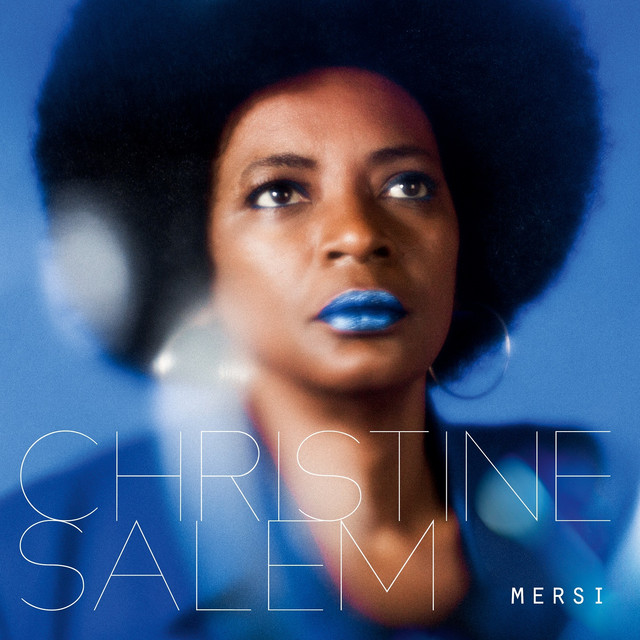
Mersi
Christine Salem
Maloya
Seychelles & Mascarene Islands Music
2015
2
/5
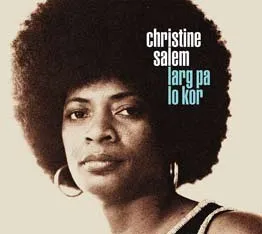
Larg pa lo kor
Christine Salem
Malagasy Folk Music
Malagasy Music
Maloya
Similar artists
2
/5
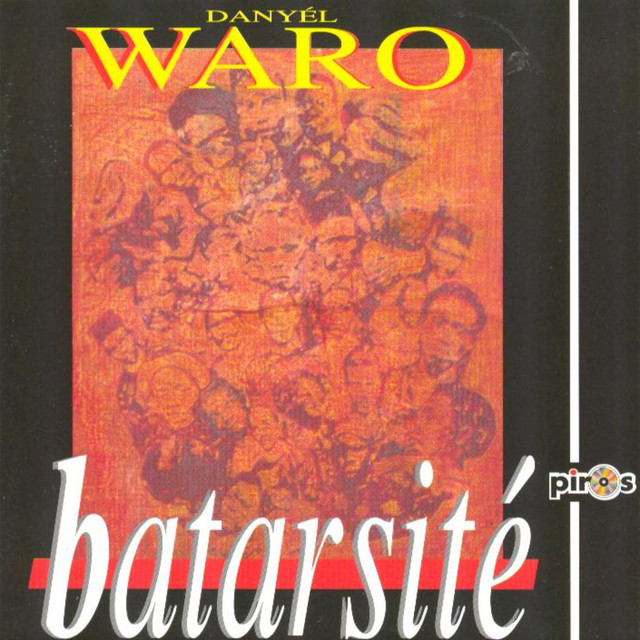
Danyèl Waro
Traditional Maloya
Maloya
Seychelles & Mascarene Islands Music
2
/5
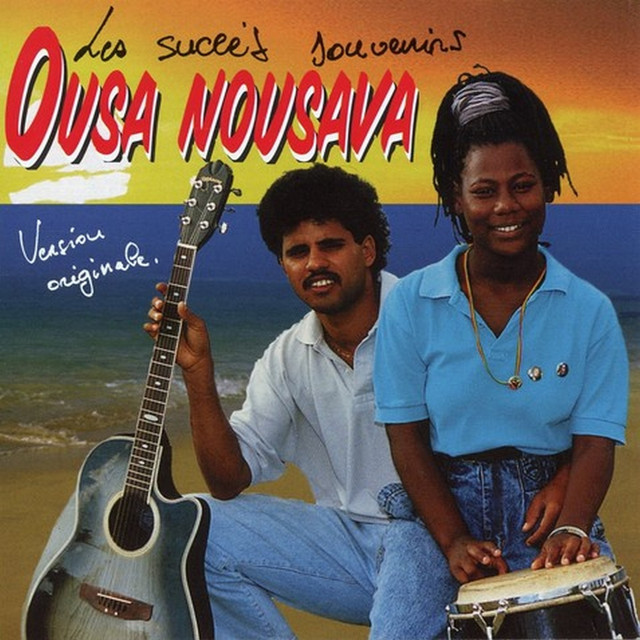
Ousanousava
Séga
Maloya
Seychelles & Mascarene Islands Music
2
/5
Sages comme des sauvages
Maloya
Seychelles & Mascarene Islands Music
1
/5
Granmoun Lélé
Traditional Maloya
Maloya
Seychelles & Mascarene Islands Music
1
/5
Jako Maron
Maloya
Maloya Électronique
Seychelles & Mascarene Islands Music
1
/5
Trans Kabar
Maloya
Seychelles & Mascarene Islands Music
1
/5
Ann O'aro
Seychelles & Mascarene Islands Music
Maloya
Traditional Music
1
/5
Firmin Viry
Maloya
Seychelles & Mascarene Islands Music
Traditional Maloya
1
/5
Lo Rwa Kaf
Maloya
Traditional Maloya
Traditional Music
1
/5
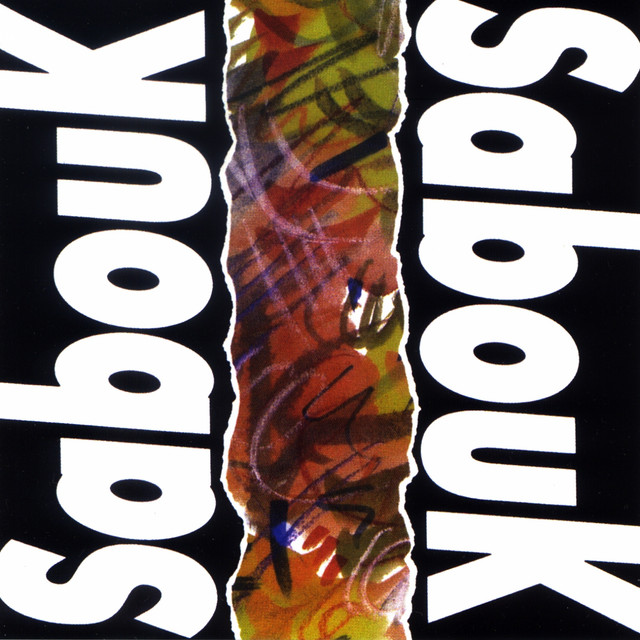
Sabouk
Maloya
Seychelles & Mascarene Islands Music
Download our mobile app
Get the Melodigging app and start digging for new genres on the go
Download on the App Store
Get it on Google Play
© 2026 Melodigging
Give feedback
Legal
Melodding was created as a tribute to
Every Noise at Once
, which inspired us to help curious minds keep digging into music's ever-evolving genres.