Genres
Artists
Albums
Make Music
Sign in
Sign in
Artists
Brutal Prog
Artists
Brutal Prog
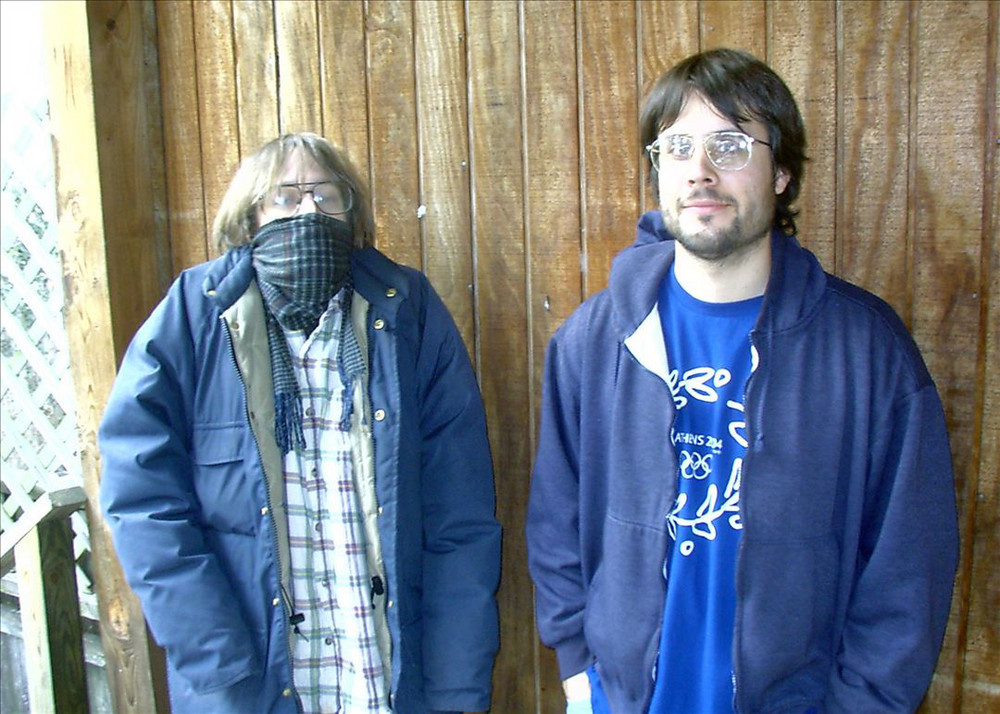
Child Abuse
2007–2019
·
3 albums
Listen
1
/5
Genres
Necrotrap
Necrotrap is a dark, morbid branch of trap that fuses the slow, sub‑heavy bounce of Southern trap with horrorcore’s macabre lyricism and witch house’s occult, lo‑fi haze. Producers sculpt bleak atmospheres with detuned bells, creaking pianos, church choirs, funeral organs, reversed pads, and sound‑design lifted from horror films or VHS hiss. Beats typically center on distorted 808s, clipped saturation, and rattling hi‑hat grids full of triplets and burst rolls. Vocals range from deep, ominous deliveries and whispers to harsh growls and screamed ad‑libs, with themes of death, nihilism, occultism, isolation, and urban decay. The palette is intentionally abrasive and cinematic—equal parts trap banger and sonic horror short.
Discover
Listen
Brutal Prog
Brutal prog (short for "brutal progressive") is a hyper-aggressive, tightly wound offshoot of progressive rock that fuses the complexity of prog with the abrasion of no wave, the intensity of grindcore, and the freedom of avant-jazz. Its hallmarks include relentless rhythmic churn, sudden metric lurches, whiplash stop–start arrangements, and dense, through-composed structures that minimize repetition. Harmony tends toward dissonance and chromatic clusters, while melodies often appear as angular, high-velocity unisons and hocketed lines between guitar, bass, and drums (and at times saxophone or keys). Vocals, if present at all, are sparse and used for color rather than hooks. The overall effect is maximalist, precise, and confrontational: music that feels meticulously engineered yet volatile, demanding virtuosic control and ensemble cohesion.
Discover
Listen
Mathcore
Mathcore is an extreme offshoot of metalcore and hardcore punk characterized by rapid-fire shifts in meter, tempo, and texture. It emphasizes dissonant, angular riffing; complex, polymetric drum patterns; and whirlwind song structures that often feel deliberately chaotic. The genre fuses the precision and rhythmic gamesmanship of math rock with the aggression of hardcore and the density of extreme metal. Songs routinely feature sudden stops, blast beats, start–stop riffing, odd time signatures, and atonal or chromatic harmonies, producing a sound that is tense, volatile, and cathartic.
Discover
Listen
Noisecore
Noisecore is an extreme offshoot of hardcore punk that fuses the speed and abrasion of punk with the sonic demolition of noise rock. It is defined by chaotic song structures, extremely short track lengths (often just seconds), screamed or unintelligible vocals, heavy feedback and distortion, blast‑beat drumming, and noise-saturated textures. Many recordings embrace lo‑fi aesthetics, clipping, and intentional "anti-production," reflecting a conscious rejection of formal musical theory and conventional songcraft. While closely related to grindcore, noisecore tends to be even more amorphous and riff‑less, prioritizing raw texture, saturation, and impact over groove or metal riffing. It arose in underground tape-trading scenes and DIY venues, where immediacy, provocation, and extremity were the point.
Discover
Listen
Grindcore
Grindcore is an extremely fast, abrasive fusion of hardcore punk and extreme metal characterized by blast-beat drumming, highly distorted down-tuned guitars, and a mix of guttural growls and high-pitched screams. Songs are typically very short—often under two minutes and sometimes just seconds—favoring intensity over traditional verse–chorus structures. Lyrically, grindcore spans politically charged and socially conscious themes (war, capitalism, animal rights) as well as gore and body horror (particularly in goregrind). Production ranges from raw, live-in-the-room ferocity to tight, modern clarity. The style is defined by relentless speed, dissonant or chromatic riffing, and sudden start–stop shifts that create a feeling of controlled chaos.
Discover
Listen
Noise Rock
Noise rock is a subgenre of rock that deliberately embraces distortion, feedback, dissonance, and abrasive textures as primary musical materials rather than mere effects. It prioritizes timbre, volume, and sonic density over conventional melody and harmony, often using nonstandard tunings, prepared or detuned guitars, and extended techniques to generate harsh overtones and sheets of sound. Rhythm sections tend to be driving and repetitive, anchoring the chaos with motorik pulses, lurching grooves, or pummeling, minimal patterns. Vocals range from spoken and murmured to shouted and cathartic, with lyrics that skew cryptic, confrontational, or surreal. Aesthetically, noise rock traces a line from punk’s anti-virtuosity and DIY ethos through no wave’s iconoclasm and the avant-garde’s interest in sound-as-sound, yielding music that can be physically intense, psychologically unsettling, and artistically exploratory.
Discover
Listen
Noise
Noise is an experimental music genre that uses non-traditional sound sources, distortion, feedback, and extreme dynamics as primary musical materials. Instead of emphasizing melody, harmony, or conventional rhythm, it focuses on texture, density, timbre, and the physical presence of sound. Practitioners sculpt saturated walls of sound, piercing feedback, metallic clatter, contact-mic scrapes, tape hiss, and electronic interference into works that can be confrontational or meditative. Performances often highlight process and immediacy—improvisation, body movement, and site-specific acoustics—while recordings can range from lo-fi cassette overload to meticulously layered studio constructions. Though rooted in early avant-garde ideas, the genre coalesced as a distinct practice in the late 1970s and 1980s, especially through Japan’s ‘Japanoise’ scene, and subsequently influenced numerous styles across industrial, punk-adjacent, and experimental electronic music.
Discover
Listen
Avant-Garde
Avant-garde music is an umbrella term for boundary-pushing practices that challenge prevailing norms of harmony, rhythm, timbre, form, and performance. It privileges experimentation, conceptual rigor, and a willingness to reframe what counts as music at all. Historically tied to early 20th‑century artistic modernism, avant-garde music introduced atonality, the emancipation of noise, and new forms of notation and process. It embraces indeterminacy, extended techniques, electronics, spatialization, and multimedia performance, treating sound as material to be sculpted, questioned, and reinvented.
Discover
Listen
Show all 8 genres
Albums
2019
1
/5
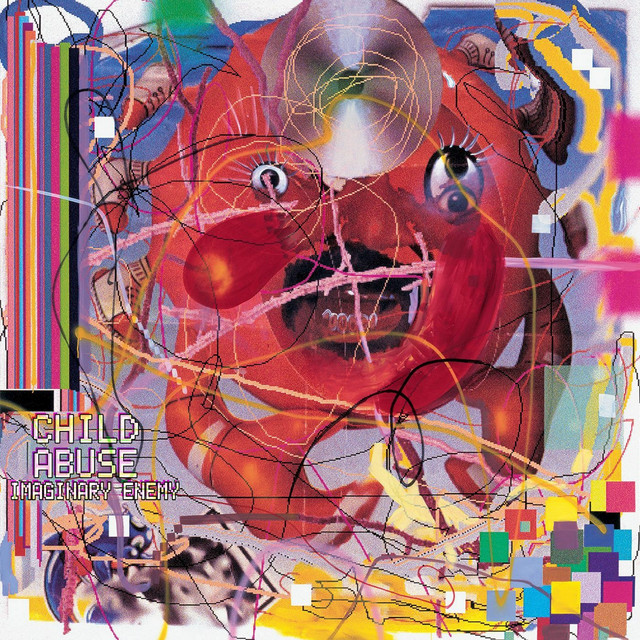
Imaginary Enemy
Child Abuse
Brutal Prog
2010
1
/5
Cut and Run
Child Abuse
Brutal Prog
2007
1
/5
Child Abuse
Child Abuse
Brutal Prog
Noisecore
Similar artists
2
/5
Melt-Banana
Noise
Noise Rock
Noisecore
1
/5
ENDON
Avant-Garde
Grindcore
Mathcore
1
/5
Ruins
Brutal Prog
Math Rock
Noise Rock
1
/5
Ni
Brutal Prog
Math Rock
Avant-Garde
1
/5
Yowie
Brutal Prog
Avant-Garde
Experimental
2
/5
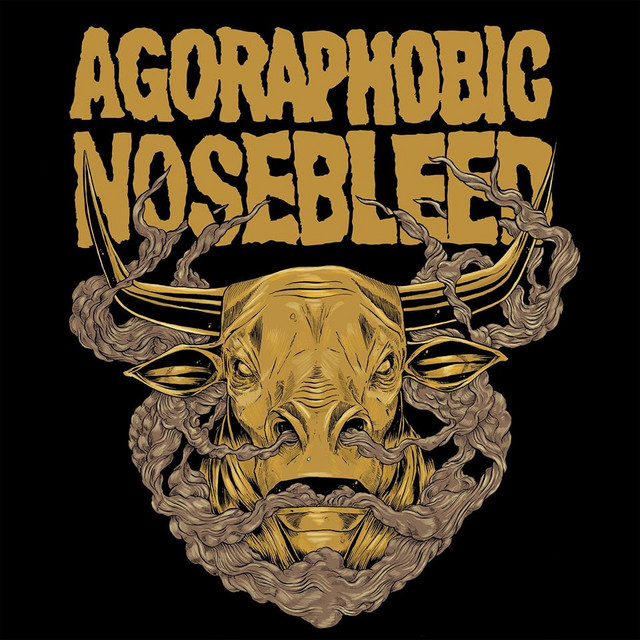
Agoraphobic Nosebleed
Grindcore
Cybergrind
Noisecore
1
/5
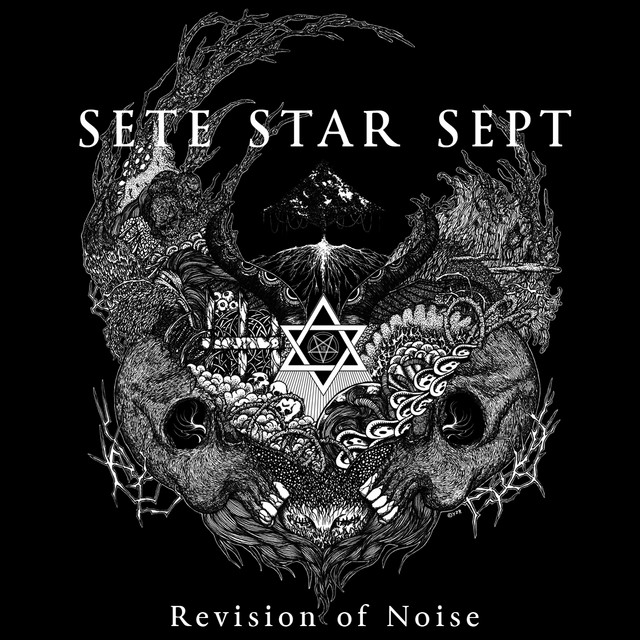
SETE STAR SEPT
Noisecore
Noisegrind
Free Jazz
1
/5
Orthrelm
Brutal Prog
Avant-Garde
Math Rock
2
/5
Magrudergrind
Grindcore
Hardcore Punk
Noisecore
1
/5
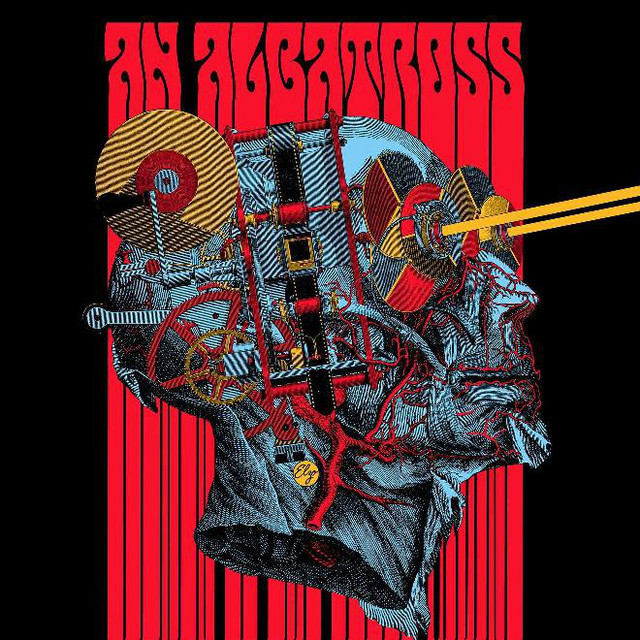
An Albatross
Noise Rock
Brutal Prog
Grindcore
Download our mobile app
Get the Melodigging app and start digging for new genres on the go
Download on the App Store
Get it on Google Play
© 2026 Melodigging
Give feedback
Legal
Melodding was created as a tribute to
Every Noise at Once
, which inspired us to help curious minds keep digging into music's ever-evolving genres.