Genres
Artists
Albums
Make Music
Sign in
Sign in
Artists
Trap Soul
Artists
Trap Soul
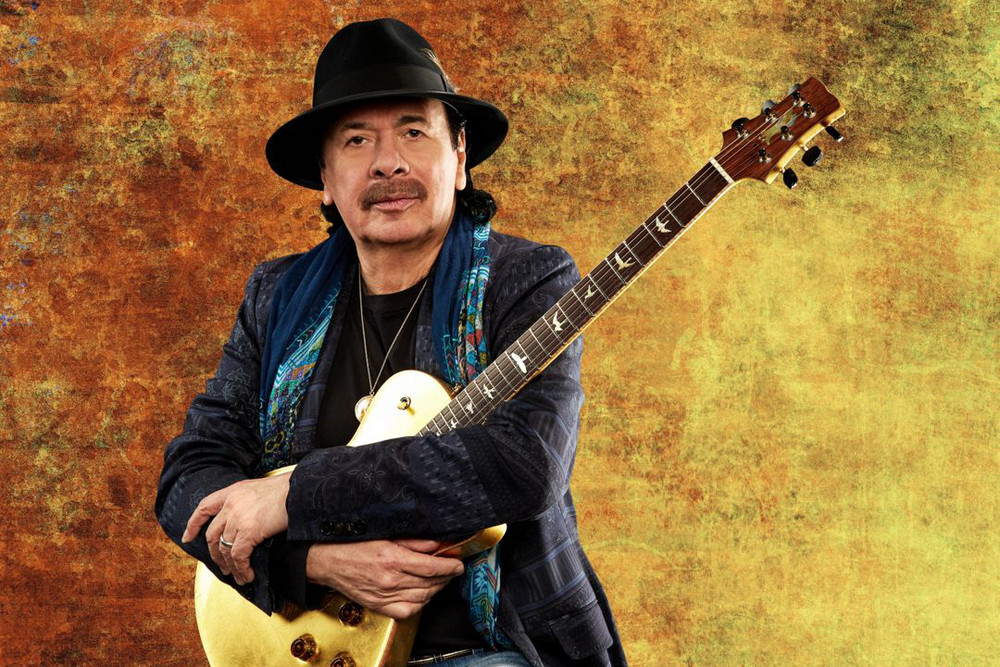
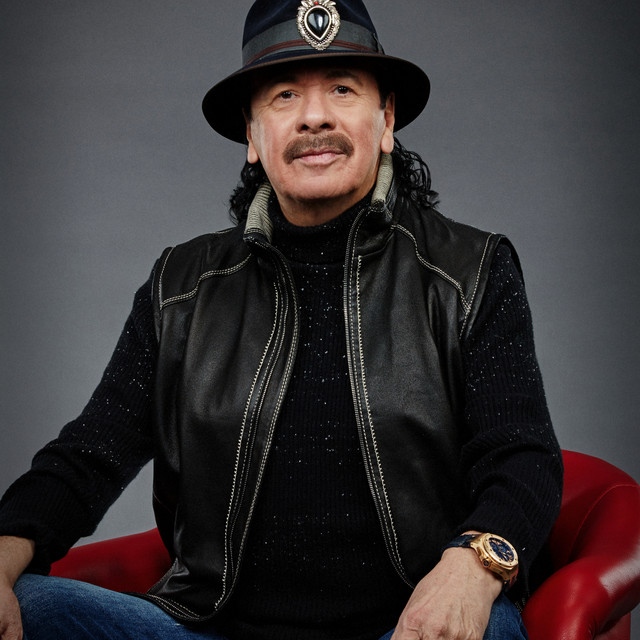
Carlos Santana
1987
·
1 album
Listen
4
/5
Genres
Trap Soul
Trap soul is a fusion of contemporary R&B singing and songwriting with the sonic palette and rhythmic feel of trap. It features moody, minor‑key harmonies; airy pads and Rhodes/piano textures; deep 808 sub‑bass with glides; and skittering hi‑hat rolls and halftime drum patterns. Vocals often blend crooning and rapping, with intimate, confessional lyrics about love, heartbreak, desire, ambition, and late‑night introspection. The production is typically spacious and minimal, prioritizing atmosphere and groove over density. Subtle Auto‑Tune, layered ad‑libs, and lush reverbs/delays are common, giving tracks a nocturnal, cinematic feel.
Discover
Listen
Chill Guitar
Chill guitar is a streaming-era microgenre centered on mellow, spacious guitarwork framed by unobtrusive production. It favors clean or lightly saturated electric tones and intimate acoustic textures, arranged to sit comfortably in the background without losing musical interest. Tracks are typically short, loop-friendly instrumentals designed for studying, reading, or relaxing. The mood leans warm and reflective: motifs unfold slowly, effects like reverb and delay create soft ambience, and harmonic movement stays consonant and diatonic. While rooted in guitar performance, it borrows the pocket and sound design of downtempo and lo‑fi hip hop—often adding gentle percussion, vinyl hiss, or subtle field noise to craft a lived‑in, calming feel.
Discover
Listen
Deep Indie Pop
Deep indie pop is a moody, finely textured branch of indie pop that favors introspective songwriting, soft-focus production, and intimate vocal delivery. It sits between bedroom pop and dream pop, borrowing lo‑fi warmth and hazy ambience while maintaining the hook sensibility of pop. Compared with mainstream indie pop, the "deep" variant leans toward slower to mid‑tempo grooves, lush synth pads, chorus‑soaked guitars, and subdued drum programming. Lyrics often explore memory, late‑night reflection, and bittersweet romance, presented with close‑miked, breathy vocals and understated arrangements.
Discover
Listen
Blues Rock
Blues rock is a guitar-driven style that fuses the raw feeling and 12‑bar structures of the blues with the power, volume, and rhythmic punch of rock. It emphasizes riff-based songs, pentatonic and blues-scale soloing, call‑and‑response between voice and guitar, and an expressive, often gritty vocal delivery. Typical ensembles are power trios (guitar, bass, drums) or quartet formats adding second guitar, keyboards, or harmonica, and performances commonly feature extended improvisation. Sonically, it favors overdriven tube-amp tones, sustained bends, vibrato, and dynamic contrasts, moving from shuffles and boogies to straight‑eighth rock grooves.
Discover
Listen
Latin Rock
Latin rock blends the instrumentation and attitude of rock with Afro‑Latin and Caribbean rhythms, percussion, and song forms. Typical bands combine electric guitars, bass, and drum kit with congas, bongos, timbales, and hand percussion, creating a driving, danceable groove grounded in the clave. Vocals may be in Spanish, Portuguese, Spanglish, or English, and lyrics range from love songs and urban life to social and political commentary. Harmonically, Latin rock draws from blues/rock progressions but frequently incorporates modal colors (Dorian, Mixolydian) and montuno‑style vamps borrowed from salsa and Afro‑Cuban traditions. The result sits comfortably between club‑ready rhythm and arena‑sized rock energy.
Discover
Listen
Rock
Rock is a broad family of popular music centered on amplified instruments, a strong backbeat, and song forms that foreground riffs, choruses, and anthemic hooks. Emerging from mid‑20th‑century American styles like rhythm & blues, country, and gospel-inflected rock and roll, rock quickly expanded in scope—absorbing folk, blues, and psychedelic ideas—while shaping global youth culture. Core sonic markers include electric guitar (often overdriven), electric bass, drum kit emphasizing beats 2 and 4, and emotive lead vocals. Rock songs commonly use verse–chorus structures, blues-derived harmony, and memorable melodic motifs, ranging from intimate ballads to high‑energy, stadium‑sized performances.
Discover
Listen
Blues
Blues is an African American musical tradition defined by expressive "blue notes," call-and-response phrasing, and a characteristic use of dominant-seventh harmony in cyclical song forms (most famously the 12‑bar blues). It is as much a feeling as a form, conveying sorrow, resilience, humor, and hard-won joy. Musically, blues commonly employs the I–IV–V progression, swung or shuffled rhythms, and the AAB lyric stanza. Melodies lean on the minor/major third ambiguity and the flattened fifth and seventh degrees. Core instruments include voice, guitar (acoustic or electric), harmonica, piano, bass, and drums, with slide guitar, bends, and vocal melismas as signature techniques. Over time the blues has diversified into regional and stylistic currents—Delta and Piedmont country blues, urban Chicago and Texas blues, West Coast jump and boogie-woogie—while profoundly shaping jazz, rhythm & blues, rock and roll, soul, funk, and much of modern popular music.
Discover
Listen
Show all 7 genres
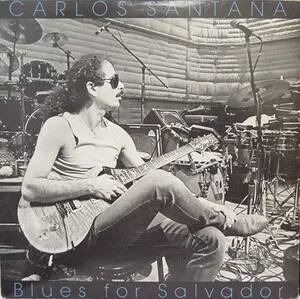
Albums
1987
2
/5
Blues for Salvador
Carlos Santana
Latin Rock
Blues
Blues Rock
Similar artists
4
/5
Santana
Latin Rock
Rock
Blues Rock
1
/5
Various Artists
Afro-Funk
Alternative Rock
Ambient
5
/5
Halsey
Etherpop
Electropop
Indie Poptimism
5
/5
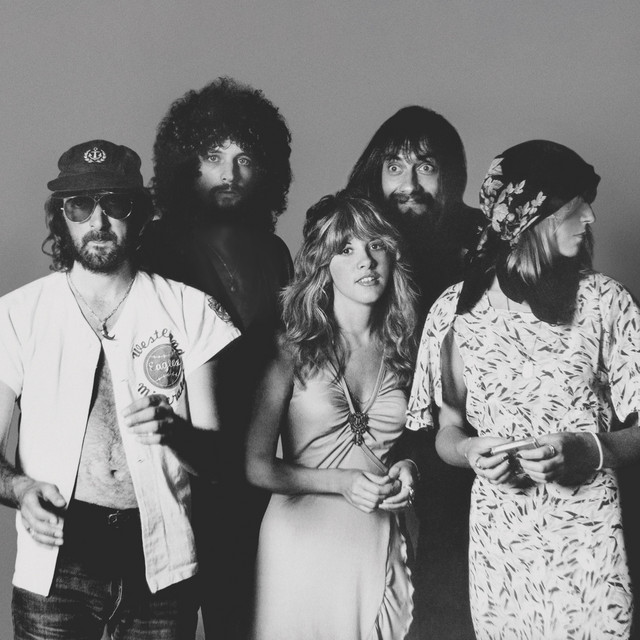
Fleetwood Mac
Rock
Soft Rock
Blues Rock
5
/5
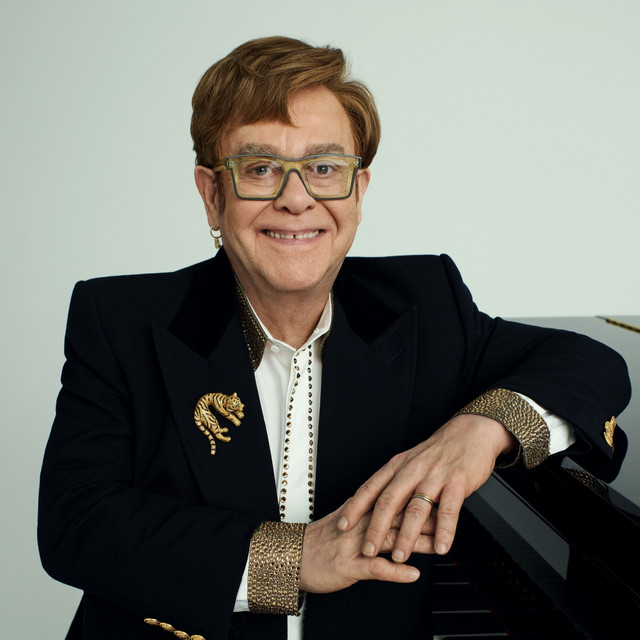
Elton John
Adult Contemporary
Ectofolk
Piano Rock
5
/5
Hozier
Modern Rock
Bedroom R&b
Chill Pop
5
/5
The Rolling Stones
Rock
Blues Rock
Hard Rock
5
/5
Mon Laferte
Latin Alternative
Latin Pop
Latin Indie
4
/5
Elvis Presley
Rock And Roll
Rockabilly
Pop
4
/5
Aerosmith
Hard Rock
Rock
Album Rock
Download our mobile app
Get the Melodigging app and start digging for new genres on the go
Download on the App Store
Get it on Google Play
© 2026 Melodigging
Give feedback
Legal
Melodding was created as a tribute to
Every Noise at Once
, which inspired us to help curious minds keep digging into music's ever-evolving genres.