Genres
Artists
Albums
Make Music
Sign in
Sign in
Artists
Deathrock
Artists
Deathrock
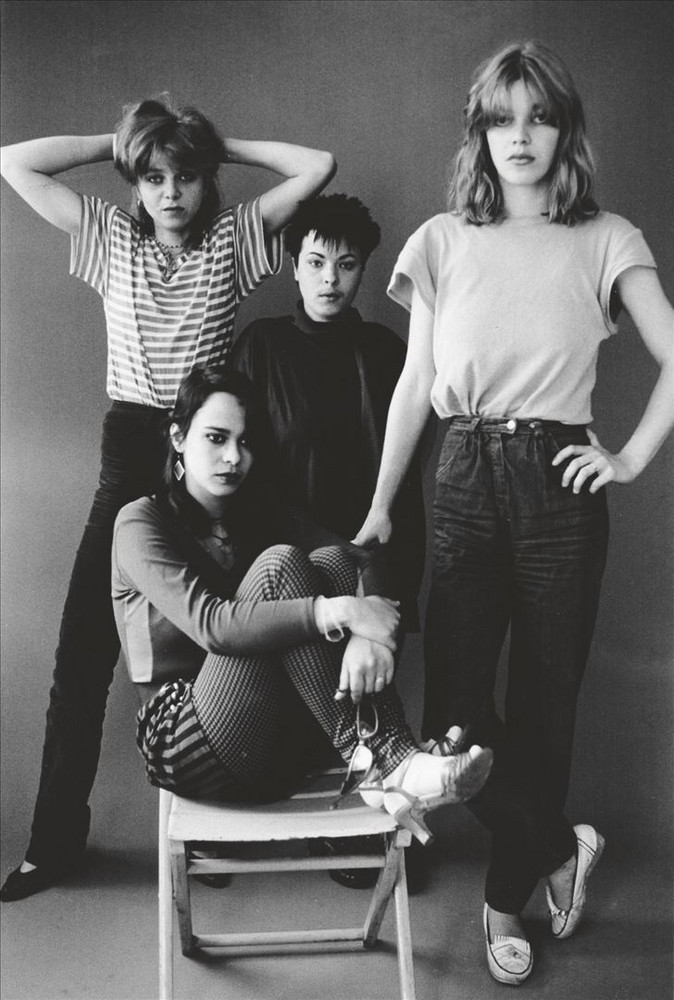
Carambolage
Listen
1
/5
Genres
Windmill Scene
The Windmill scene refers to the cluster of experimental indie, post‑punk, and art‑rock bands that coalesced around The Windmill pub venue in Brixton, South London. Emerging in the late 2010s, the scene is characterized by knotty rhythms, angular guitars, spoken‑sung or declamatory vocals, and frequent use of saxophone, violin, and synths. Bands associated with the scene blend post‑punk urgency with avant‑prog ambition, no wave abrasion, and jazz-informed spontaneity, often favoring raw, live‑in‑the‑room production aesthetics. Lyrically, the scene leans toward sardonic social observation, surreal storytelling, and metropolitan anxiety, while performances emphasize high energy, improvisational turns, and dynamic contrasts.
Discover
Listen
Deathrock
Deathrock is a dark, theatrical offshoot of punk that emerged in the early 1980s, characterized by ominous atmospheres, tom-heavy “tribal” drumming, chorus-soaked basslines, and reverb-drenched guitar. It blends the immediacy and DIY aggressiveness of punk rock with the bleak textures and minor-key melodicism of post-punk and early gothic rock, often drawing visual inspiration from horror cinema and macabre cabaret. Vocals range from plaintive and haunted to snarling and declamatory, while lyrics explore themes of death, alienation, ritual, and romantic morbidity. The production favors raw edges, spring/plate reverbs, and room ambience over polish.
Discover
Listen
Neue Deutsche Welle
Neue Deutsche Welle (NDW) is a German-language movement of the early 1980s that fused punk and post-punk attitude with new wave and synth-pop sonics. It typically features minimalist arrangements, deadpan or Sprechgesang vocal delivery, and witty, satirical, or absurdist lyrics delivered in German. Musically, NDW leans on simple drum-machine patterns, dry basslines, bright analog synth hooks, and clipped, chorus-treated guitars. The tone oscillates between playful and sardonic, with catchy pop sensibilities rubbing against an art-school, experimental edge. While rooted in underground clubs, the genre briefly crossed into European and global pop charts with enduring hits in the mid-1980s.
Discover
Listen
Post-Punk
Post-punk is a broadly experimental strain of rock that emerged in the late 1970s as artists sought to push beyond the speed, simplicity, and orthodoxy of first-wave punk. It typically features angular, bass-forward grooves; jagged or minimal guitar lines; stark, spacious production; and an openness to dub, funk, electronic, and avant-garde ideas. Lyrics often examine alienation, urban decay, politics, and the inner life with artful or abstract delivery. A studio-as-instrument approach, emphasis on rhythm section interplay, and an appetite for non-rock textures (tape effects, drum machines, found sound, synths) distinguish the style. The result can be danceable yet tense, cerebral yet visceral, and emotionally restrained yet intensely expressive.
Discover
Listen
Similar artists
2
/5
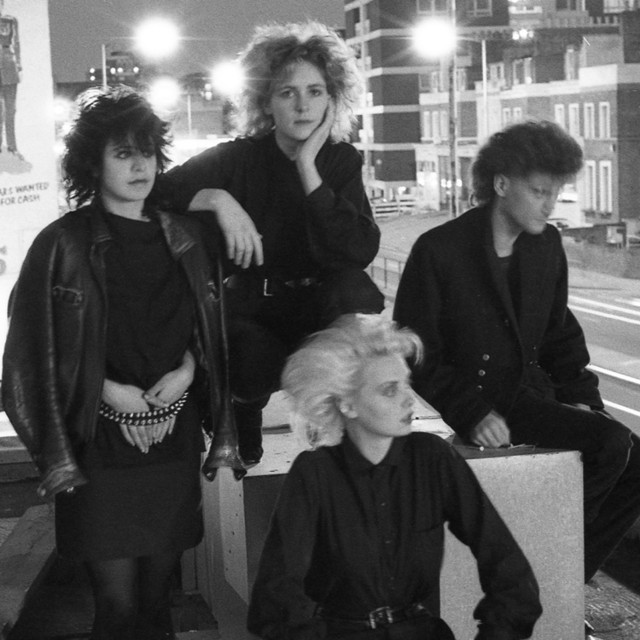
Xmal Deutschland
Coldwave
Dark Wave
Deathrock
2
/5
Abwärts
Neue Deutsche Welle
Coldwave
Deathrock
2
/5
Fliehende Stürme
Coldwave
Dark Wave
Deathrock
2
/5
DAF
Old School Ebm
Ebm
Electronic
2
/5
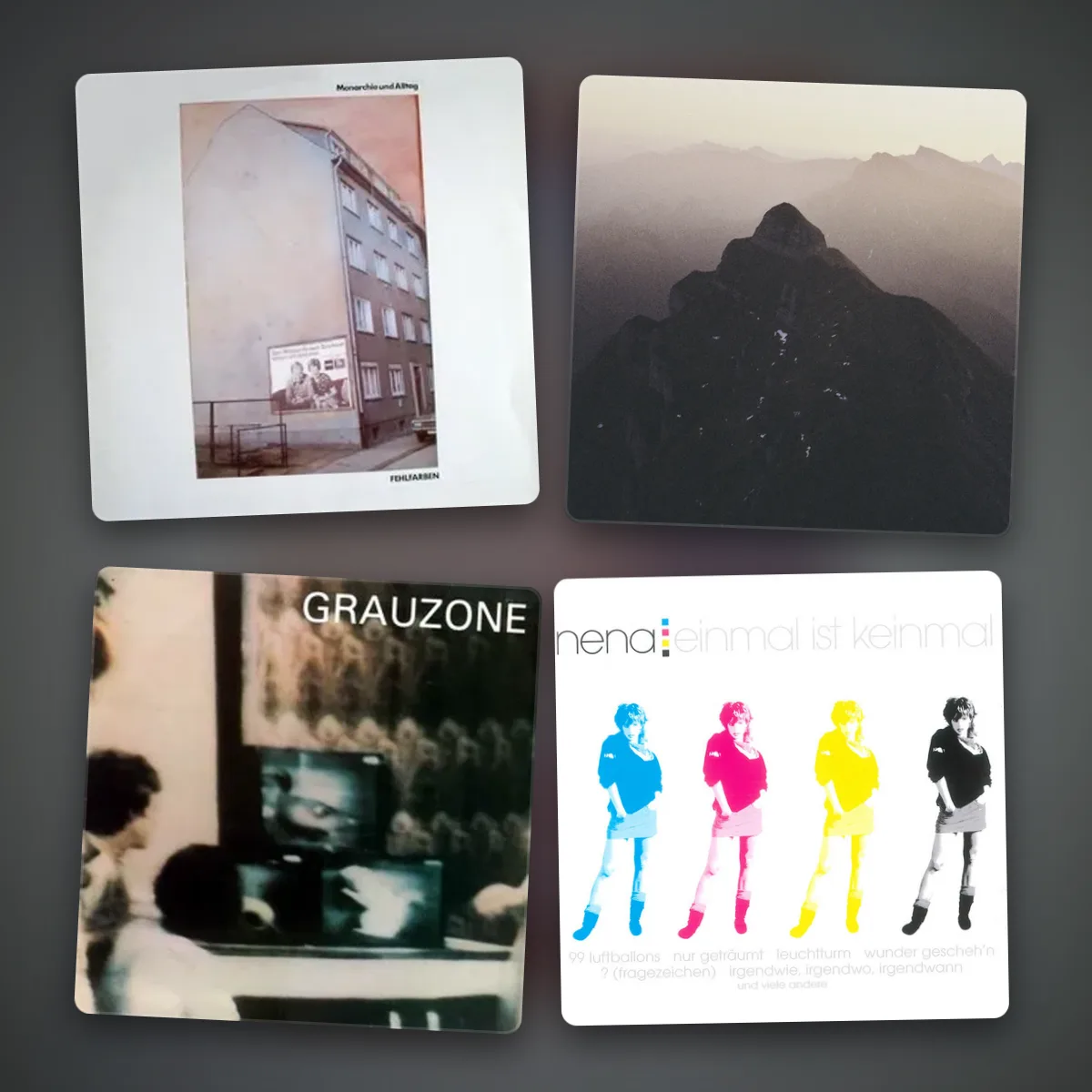
Grauzone
Minimal Wave
Neue Deutsche Welle
Coldwave
2
/5
Fehlfarben
Neue Deutsche Welle
Coldwave
Krautrock
1
/5
Die Anstalt
Coldwave
Dark Wave
Deathrock
1
/5
Die Tödin
Coldwave
Dark Wave
Deathrock
1
/5
Palais Schaumburg
Neue Deutsche Welle
Krautrock
Post-Punk
5
/5
Fontaines D.C.
Post-Punk
Crank Wave
Rock
Download our mobile app
Get the Melodigging app and start digging for new genres on the go
Download on the App Store
Get it on Google Play
© 2026 Melodigging
Give feedback
Legal
Melodding was created as a tribute to
Every Noise at Once
, which inspired us to help curious minds keep digging into music's ever-evolving genres.