Genres
Artists
Albums
Make Music
Sign in
Sign in
Artists
French Pop
Artists
French Pop
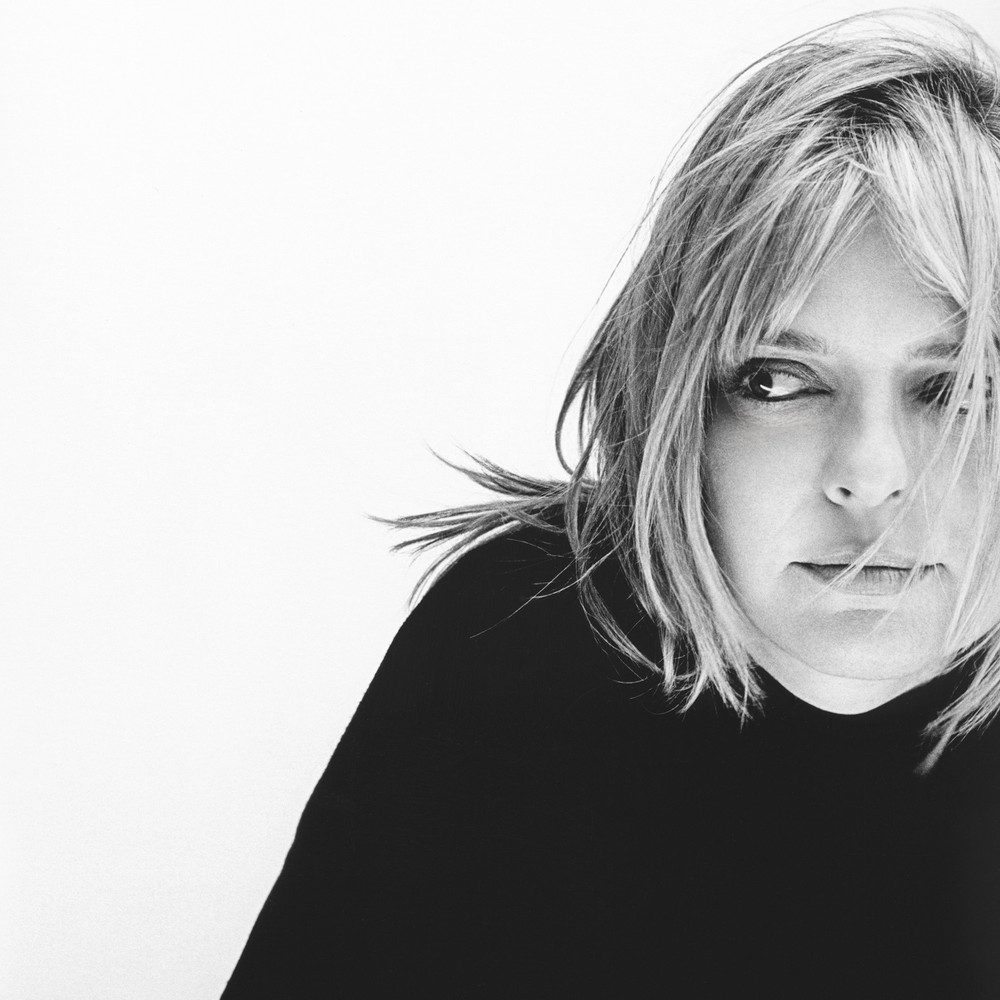
Brigitte Fontaine
1972–2013
·
4 albums
Listen
2
/5
Genres
Laboratorio
Laboratorio is a Brazilian micro‑scene within contemporary hip hop that coalesced around artist‑run collectives and label ecosystems (most visibly Laboratório Fantasma). It blends boom‑bap and modern trap sensibilities with MPB, samba, and neo‑soul harmony, placing lyricism and social commentary at the core. The sound is defined by sample‑friendly, groove‑rich beats, live percussion drawn from Afro‑Brazilian traditions, and melodic hooks that often nod to MPB and samba‑soul. Artists use Portuguese lyricism to address race, class, identity, and everyday life, pairing incisive bars with warm, humanized production and frequent collaborations across rap, R&B, and pop.
Discover
Listen
New Isolationism
New isolationism is a contemporary strain of isolationist ambient and post-industrial minimalism that emerged in the 2010s, particularly around Scandinavian experimental labels and studios. It foregrounds intimate, close-mic’d sound, negative space, and a quiet-but-present noise floor; its pieces feel both internal and architectural, like rooms built from reverb tails, tape hiss, and soft electronics. Sonically, the style blends glacial drones, fragile chamber timbres (strings, organ, piano), lo‑fi electronics, and field recordings into stark, slow-evolving tableaux. Melodic information is sparse—often only a few tones or gestures—while rhythm is either absent or reduced to distant pulses, heartbeats, or mechanical cycles. Vocals, when they appear, are murmured, diaristic, or abstracted by pitch and time manipulation. Aesthetically, new isolationism is post‑internet and diaristic: it captures solitude, memory, and dislocation with a palette that feels personal yet estranged, drawing as much from contemporary gallery sound practice as from classic dark ambient.
Discover
Listen
French Pop
French pop is the mainstream, melody-forward popular music sung primarily in French that blends the lyrical sophistication of chanson with the hooks, structures, and production of international pop. Its core is songcraft: memorable choruses, clear vocal presence, and arrangements that balance acoustic warmth with electronic gloss. Evolving from the 1960s yé-yé wave, the style absorbed elements of disco, new wave, synth-pop, and later electronic and hip hop production, while retaining a distinctly French sensibility in storytelling, wordplay, and romantic themes. Modern French pop ranges from intimate, soft-pop ballads to sleek electro-pop, but it remains anchored by expressive vocals and concise, radio-ready forms.
Discover
Listen
Psychedelic Rock
Psychedelic rock is a style of rock music that seeks to evoke, simulate, and expand altered states of consciousness through sound. It typically features timbral experimentation (fuzz, wah, tape delay, phasing), drones, modal or raga-influenced harmony, extended improvisation, studio-as-instrument production, and surreal, mystical, or mind-expanding lyrics. Emerging from mid-1960s counterculture, it fused garage-band energy with folk, blues, and non-Western musical ideas—especially Indian classical ragas—while embracing new studio technologies and concert light shows. Both a live and a studio art, psychedelic rock ranges from jangly, kaleidoscopic pop to heavy, hypnotic jams and cosmic soundscapes.
Discover
Listen
Pop
Pop is a broad, hook-driven style of popular music designed for wide appeal. It emphasizes memorable melodies, concise song structures, polished vocals, and production intended for radio, charts, and mass media. While pop continually absorbs elements from other styles, its core remains singable choruses, accessible harmonies, and rhythmic clarity. Typical forms include verse–pre-chorus–chorus, frequent use of bridges and middle-eights, and ear-catching intros and outros. Pop is not defined by a single instrumentation. It flexibly incorporates acoustic and electric instruments, drum machines, synthesizers, and increasingly digital production techniques, always in service of the song and the hook.
Discover
Listen
Rock
Rock is a broad family of popular music centered on amplified instruments, a strong backbeat, and song forms that foreground riffs, choruses, and anthemic hooks. Emerging from mid‑20th‑century American styles like rhythm & blues, country, and gospel-inflected rock and roll, rock quickly expanded in scope—absorbing folk, blues, and psychedelic ideas—while shaping global youth culture. Core sonic markers include electric guitar (often overdriven), electric bass, drum kit emphasizing beats 2 and 4, and emotive lead vocals. Rock songs commonly use verse–chorus structures, blues-derived harmony, and memorable melodic motifs, ranging from intimate ballads to high‑energy, stadium‑sized performances.
Discover
Listen
Chamber Jazz
Chamber jazz is a refined, small-ensemble approach to jazz that borrows the intimacy, timbral palette, and structural thinking of classical chamber music. Instead of big-band power or hard-swinging virtuosic displays, it prioritizes subtle dynamics, contrapuntal lines, and carefully shaped arrangements. Typical instrumentation includes piano, vibraphone, guitar, double bass, light percussion, and at times strings or woodwinds. Improvisation remains central, but solos are restrained, conversational, and integrated into composed frameworks. The overall sound is spacious, lyrical, and acoustically focused—frequently closer to the volume and precision of a chamber group than to a club combo. Historically adjacent to cool jazz and Third Stream, the style was later deepened by the ECM label’s spacious production aesthetic, which emphasized silence, resonance, and a modern classical sensibility. The result is music that can feel calm and contemplative without losing jazz’s harmonic depth and rhythmic subtlety.
Discover
Listen
Chanson Française
Chanson française is a lyric-centered French song tradition in which the expressiveness, prosody, and storytelling of the French language take priority over virtuosic vocal display. Melodies tend to be memorable yet restrained, arranged to support the text rather than overshadow it. Historically linked to Parisian cabarets, music halls, and the café-concert circuit, the style embraces topics ranging from love and everyday life to social satire and political commentary. Typical accompaniments include guitar, accordion, piano, and small orchestras, with arrangements that can range from intimate to lush. Performance is as much about interpretation and diction as it is about singing, often favoring conversational phrasing and dramatic nuance.
Discover
Listen
French Jazz
French jazz is the French branch of jazz that took root in Paris and other urban centers after World War I, when African American musicians and touring bands introduced the music to a receptive café and cabaret culture. It blends American jazz idioms with French musical sensibilities, notably chanson, musette waltzes, and a refined classical ear for color and melody. Its sound ranges from the acoustic swing of the 1930s Hot Club style (guitar- and violin-led ensembles) to postwar bebop, cool and modal currents, free improvisation, and later fusions with chanson and electronic music. Hallmarks include lyrical, song-like themes, supple swing feels, elegant harmonic voicings, and, in some strands, the distinctive "la pompe" rhythm of manouche guitar and the timbre of accordion and violin. Today, French jazz encompasses both traditional and forward-looking approaches: intimate acoustic combos, orchestral and filmic jazz, and hybrid forms that intersect with nu jazz, electro-swing, and contemporary European improvisation.
Discover
Listen
Jazz
Jazz is an improvisation-centered music tradition that emerged from African American communities in the early 20th century. It blends blues feeling, ragtime syncopation, European harmonic practice, and brass band instrumentation into a flexible, conversational art. Defining features include swing rhythm (a triplet-based pulse), call-and-response phrasing, blue notes, and extended harmonies built on 7ths, 9ths, 11ths, and 13ths. Jazz is as much a way of making music—spontaneous interaction, variation, and personal sound—as it is a set of forms and tunes. Across its history, jazz has continually hybridized, from New Orleans ensembles and big-band swing to bebop, cool and hard bop, modal and free jazz, fusion, and contemporary cross-genre experiments. Its influence permeates global popular and art music.
Discover
Listen
Show all 10 genres
Albums
2013
1
/5
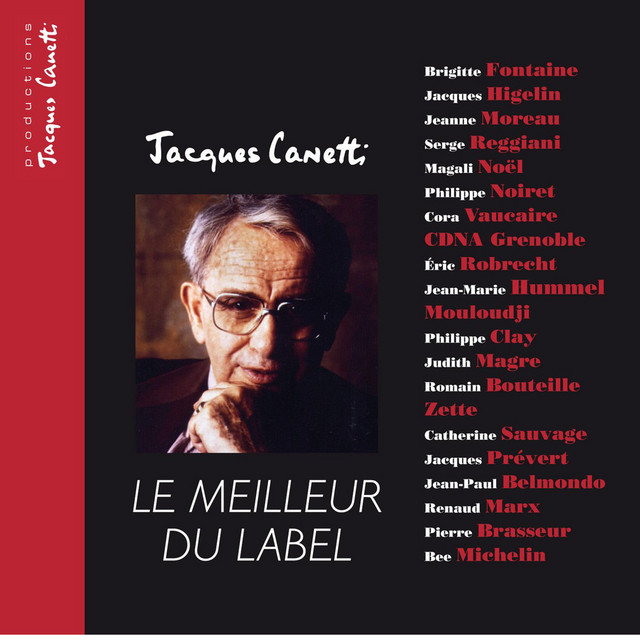
Jacques Canetti - Le Meilleur Du Label
Brigitte Fontaine
Laboratorio
2001
2
/5
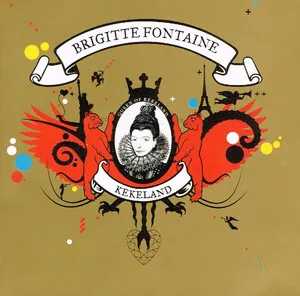
Kekeland
Brigitte Fontaine
French Pop
1973
1
/5
Brigitte Fontaine est... ?
Brigitte Fontaine
French Pop
Laboratorio
Pop
1972
1
/5
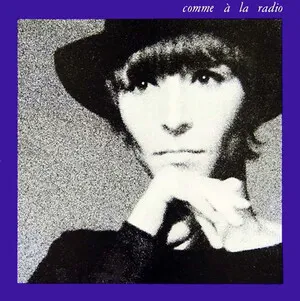
Comme à la radio
Brigitte Fontaine
Chamber Jazz
Jazz
Pop
Similar artists
3
/5
Françoise Hardy
French Pop
Yé-Yé
Chanson Française
3
/5
Serge Gainsbourg
French Pop
Chanson À Texte
Chanson Française
3
/5
Brigitte Bardot
Yé-Yé
Pop
Chanson Française
2
/5
Sanseverino
Chanson Française
Chanson Alternative
French Jazz
4
/5
Zaz
French Jazz
French Pop
Blues
3
/5
Mylène Farmer
French Pop
French Synthpop
Pop
4
/5
France Gall
Yé-Yé
French Pop
Pop
3
/5
Jacques Dutronc
French Pop
Chanson Française
French House
2
/5
Dominique A
Chanson Française
Nouvelle Chanson Française
French Pop
5
/5
Hans Zimmer
Country Dawn
Soundtrack
Classical
Download our mobile app
Get the Melodigging app and start digging for new genres on the go
Download on the App Store
Get it on Google Play
© 2026 Melodigging
Give feedback
Legal
Melodding was created as a tribute to
Every Noise at Once
, which inspired us to help curious minds keep digging into music's ever-evolving genres.