Genres
Artists
Albums
Make Music
Sign in
Sign in
Artists
British Brass Band
Artists
British Brass Band
Brighouse And Rastrick Brass Band
1994–2013
·
2 albums
Listen
2
/5
Genres
Big Band
Big band is a large-ensemble style of jazz and popular dance music built around brass, reed, and rhythm sections playing arranged parts. Typical instrumentation includes five saxophones (often doubling clarinet/flute), four trombones, four trumpets, and a rhythm section of piano, guitar, upright bass, and drum set. The music emphasizes swing rhythms, call-and-response between sections, riff-based writing, and dramatic shout choruses, while leaving space for improvised solos. Born in American ballrooms and theaters, big band became the sound of the Swing Era, providing both music for dancing and a platform for sophisticated arranging and orchestration that shaped much of 20th‑century jazz and popular music.
Discover
Listen
British Brass Band
The British brass band is a standardized, all-brass ensemble tradition that took shape in the industrial towns of 19th‑century Britain. It features cornets, flugelhorn, tenor horns, baritones, trombones, euphoniums, tubas, and percussion, with no woodwinds, and a distinctive practice of notating almost all brass parts in treble clef with transposition. The style is known for warm chorales, precision in balance and blend, and a repertoire that spans marches, hymn‑tune arrangements, concert overtures, and demanding competition “test pieces.” Its sound world draws on Romantic orchestral harmony and hymnody, while its performance culture centers on community bands, contests, and a strong social identity tied to workplaces, towns, and the Salvation Army.
Discover
Listen
Brass Band
Brass band refers to ensemble-driven music performed primarily by brass instruments and percussion, with a sound characterized by powerful, blended timbres, antiphonal choirs, and a strong emphasis on melody and counter-melody. In its most codified form (the British-style brass band), the ensemble uses cornets, flugelhorn, tenor horns, baritones, euphoniums, trombones, tubas, and percussion, all written in transposed parts to create a homogenous, organ-like sonority. Repertoire spans marches, hymn tune settings, operatic and orchestral transcriptions, original contest works, and light music. Globally, the term also encompasses regional traditions such as New Orleans parade/second-line bands (merging ragtime, early jazz, and funk), and Balkan Romani brass bands (fast dance meters and virtuosic ornamentation), showing the format’s adaptability across cultures and celebrations.
Discover
Listen
Instrumental
Instrumental is music created and performed without sung lyrics, placing the expressive weight on melody, rhythm, harmony, and timbre produced by instruments. As an umbrella practice it appears in many cultures, but its modern identity cohered in Baroque-era Europe when purely instrumental forms such as the sonata, concerto, and dance suites began to flourish. Since then, instrumental thinking—developing motives, structuring form without text, and showcasing timbral contrast—has informed everything from orchestral music and solo piano repertoire to post-rock, film scores, and beat-driven electronic styles. Instrumental works can be intimate (solo or chamber) or expansive (full orchestra), narrative (programmatic) or abstract (absolute music). The absence of lyrics invites listeners to project imagery and emotion, making the style a natural fit for cinema, games, and contemplative listening.
Discover
Listen
Orchestral
Orchestral music refers to compositions written for an orchestra—a large ensemble typically built around a string section (violins, violas, cellos, double basses), complemented by woodwinds, brass, percussion, and often harp, keyboard, or other auxiliary instruments. A conductor coordinates the ensemble, shaping balance, phrasing, and expression. The style emphasizes coloristic timbre combinations, dynamic range from the softest pianissimo to explosive tuttis, and textures that can shift seamlessly between transparent chamber-like writing and monumental masses of sound. Orchestral writing underpins concert genres such as symphonies, overtures, and tone poems, as well as opera, ballet, and modern film and game scores. While orchestral writing evolved across centuries, its core craft centers on melody, counterpoint, harmony, register, and orchestration—the art of assigning musical ideas to instruments to achieve clarity, contrast, and narrative impact.
Discover
Listen
Albums
2013
2
/5
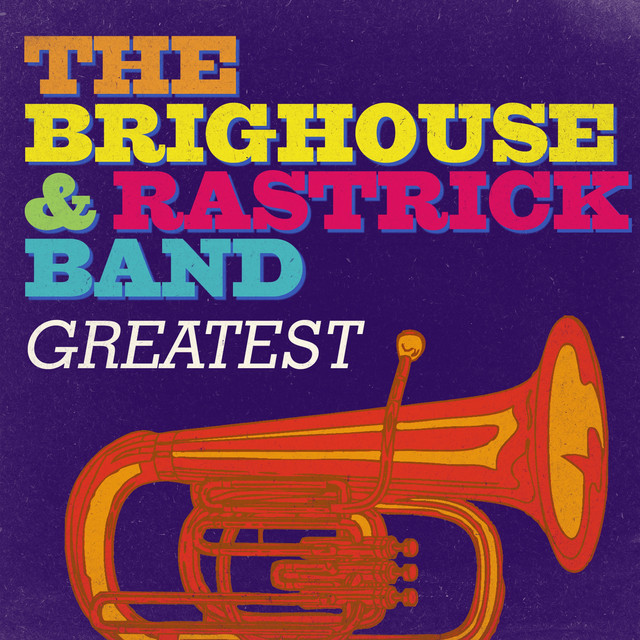
Greatest - The Brighouse & Rastrick Band
Brighouse And Rastrick Brass Band
British Brass Band
1994
2
/5
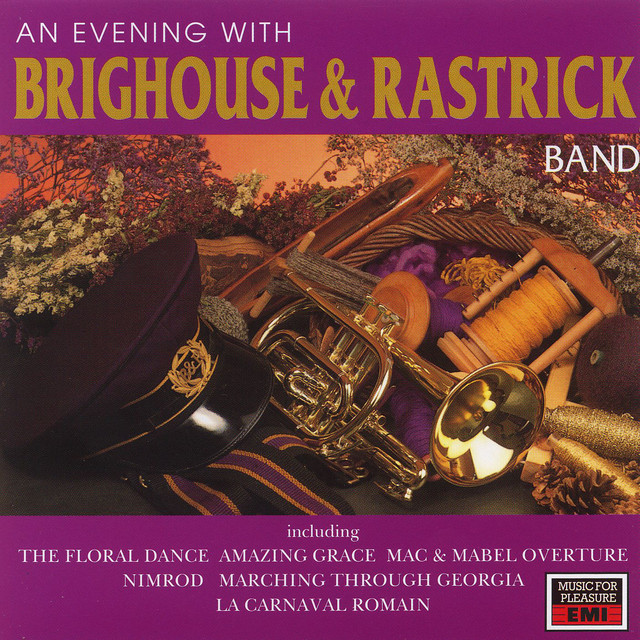
An Evening With Brighouse And Rastrick
Brighouse And Rastrick Brass Band
British Brass Band
Similar artists
1
/5
Various Artists
Afro-Funk
Alternative Rock
Ambient
5
/5
Hans Zimmer
Country Dawn
Soundtrack
Classical
Brass Band of Battle Creek
British Brass Band
Instrumental
3
/5
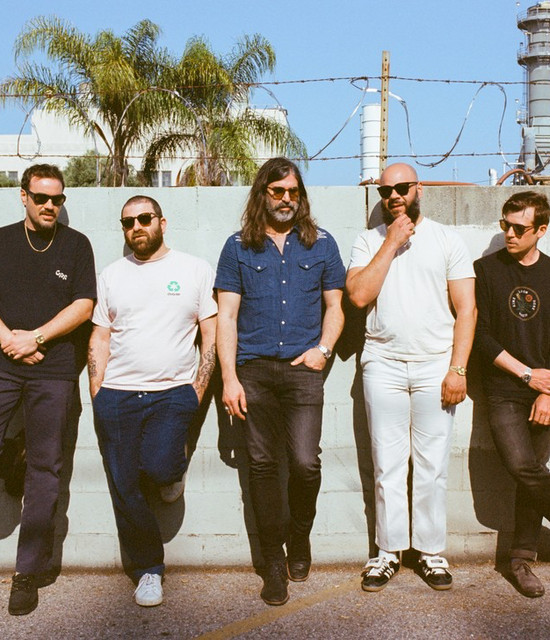
Menahan Street Band
Instrumental Funk
Brass Band
Retro Soul
3
/5
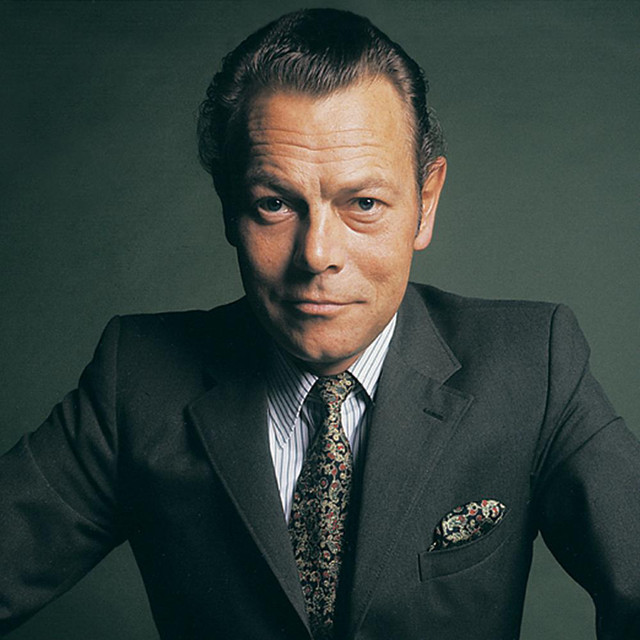
Bert Kaempfert
Big Band
Easy Listening
Exotica
3
/5
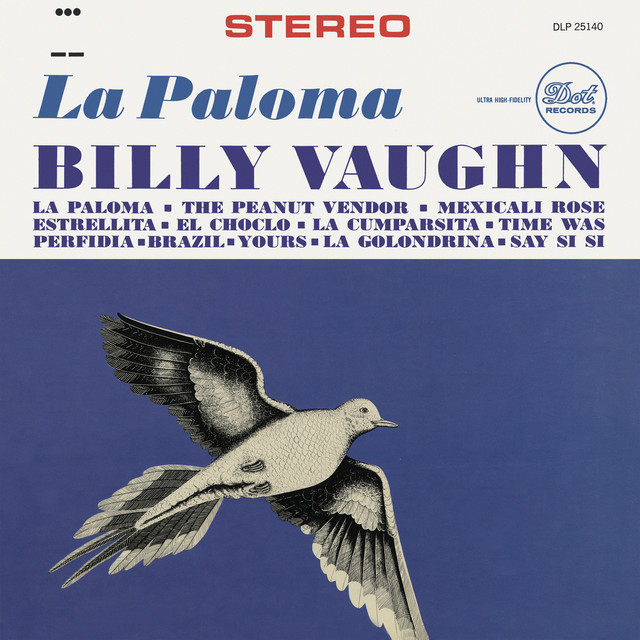
Billy Vaughn
Space Age Pop
Big Band
Easy Listening
3
/5
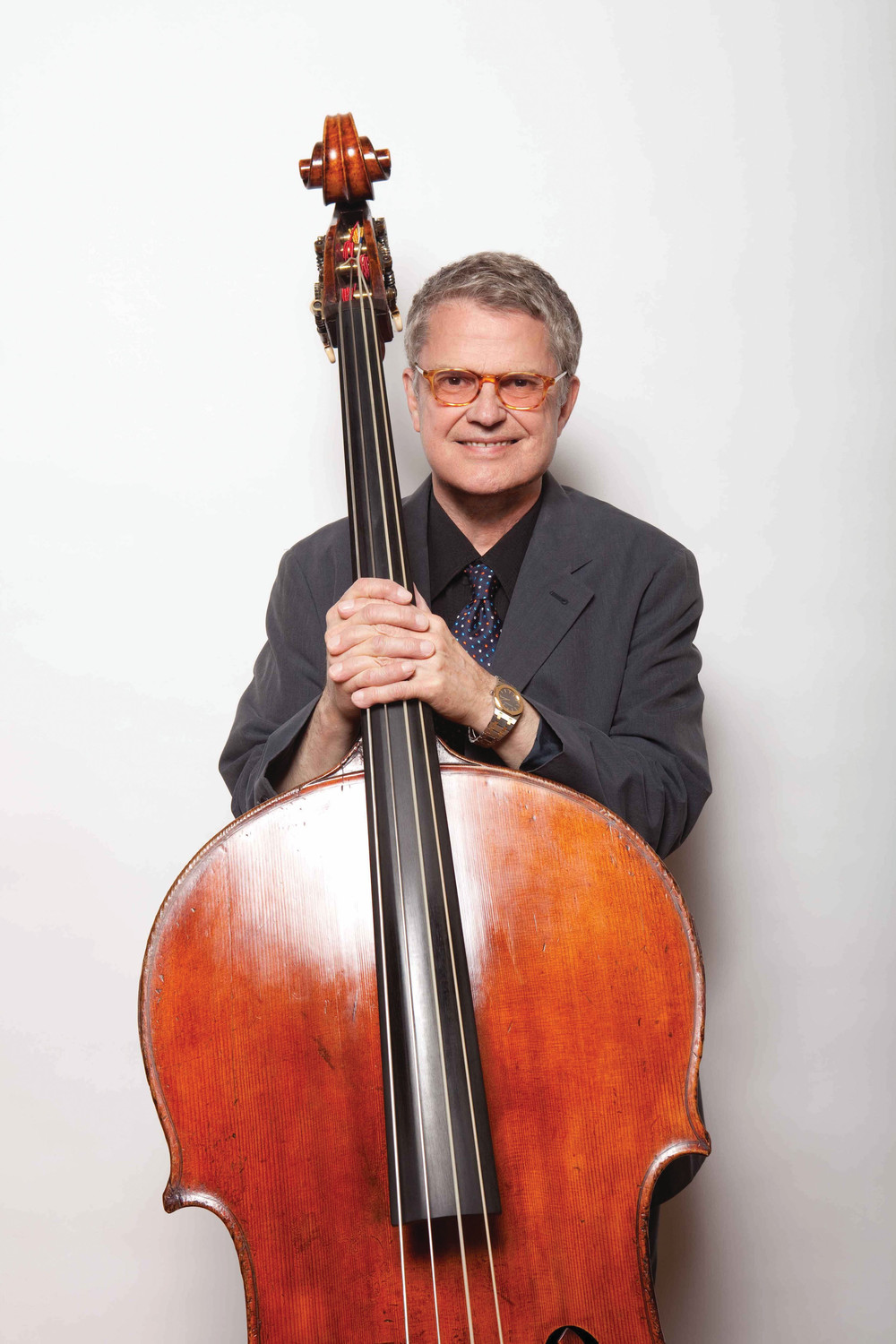
Charlie Haden
Jazz
Avant-Garde Jazz
Big Band
2
/5
Lucky Chops
Brass Band Pop
Big Band
Brass Band
2
/5
Hugo Winterhalter And His Orchestra
Light Music
Big Band
Easy Listening
2
/5
Carmen Cavallaro
Big Band
Orchestral
Rhumba
Download our mobile app
Get the Melodigging app and start digging for new genres on the go
Download on the App Store
Get it on Google Play
© 2026 Melodigging
Give feedback
Legal
Melodding was created as a tribute to
Every Noise at Once
, which inspired us to help curious minds keep digging into music's ever-evolving genres.