Genres
Artists
Albums
Make Music
Sign in
Sign in
Artists
Brass Band
Artists
Brass Band
Blech&White
Listen
2
/5
Genres
Traditional Music
Traditional music is an umbrella term used in the mid–20th century by folklorists and ethnomusicologists to denote community-rooted, orally transmitted repertoires tied to social ritual, work, celebration, and storytelling. Unlike commercial pop or art-music traditions, traditional music is typically learned by ear, varies regionally, and evolves slowly through communal participation. It often features modal melodies, cyclic rhythms, heterophony or unison singing, and indigenous instruments whose timbres are integral to local identity. Lyrics tend to preserve language, history, and collective memory. While the musical practices themselves can be ancient, the phrase “traditional music” emerged to replace earlier, narrower or colonial framings like “folk” or “ethnic” music, foregrounding continuity, locality, and living practice rather than exoticism.
Discover
Listen
Brass Band
Brass band refers to ensemble-driven music performed primarily by brass instruments and percussion, with a sound characterized by powerful, blended timbres, antiphonal choirs, and a strong emphasis on melody and counter-melody. In its most codified form (the British-style brass band), the ensemble uses cornets, flugelhorn, tenor horns, baritones, euphoniums, trombones, tubas, and percussion, all written in transposed parts to create a homogenous, organ-like sonority. Repertoire spans marches, hymn tune settings, operatic and orchestral transcriptions, original contest works, and light music. Globally, the term also encompasses regional traditions such as New Orleans parade/second-line bands (merging ragtime, early jazz, and funk), and Balkan Romani brass bands (fast dance meters and virtuosic ornamentation), showing the format’s adaptability across cultures and celebrations.
Discover
Listen
Polka
Polka is a lively Central European couple dance and musical style in a brisk 2/4 meter, characterized by its buoyant “oom‑pah” bass-chord accompaniment and bright, diatonic melodies. Originating in Bohemia (today’s Czech Republic) in the early 19th century, it quickly became a pan-European craze before taking root across immigrant communities in the Americas. Ensembles typically feature accordion or button box/concertina, clarinet or saxophone, trumpets/trombone, tuba or string bass, and drum kit, with regional variants highlighting different lead voices and rhythmic feels. While the classical ballroom tradition codified polka into formal strains (often AABB with a contrasting trio), folk and popular styles favor singable tunes, simple I–IV–V harmonies, and tempos commonly around 115–135 BPM, inviting upbeat social dancing and communal celebration.
Discover
Listen
Similar artists
Hide discovered
3
/5
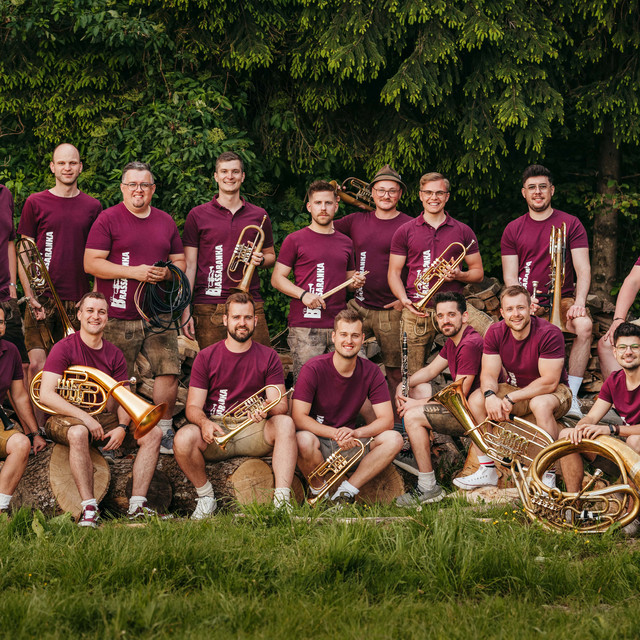
Brassaranka
Brass Band
Polka
2
/5
Viera Blech
Brass Band
Polka
Street Band
2
/5
Die Brasserie
Brass Band
Brass Band Pop
Polka
2
/5
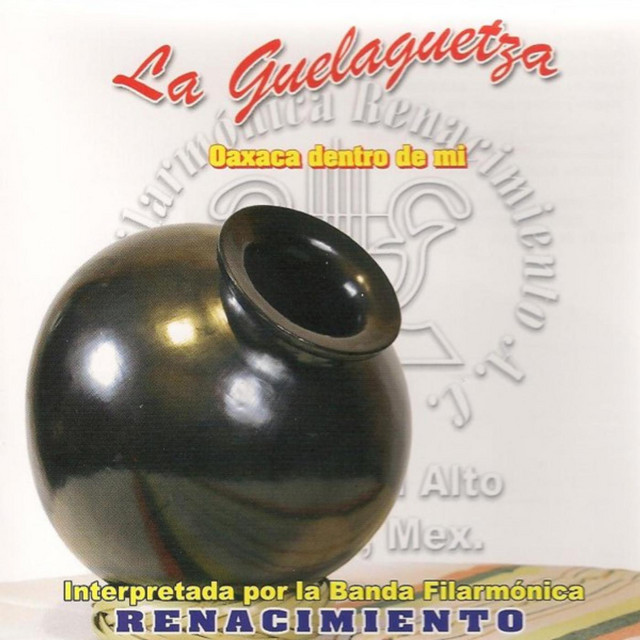
Banda Filarmónica Renacimiento A.C.
Brass Band
Son Jarocho
Traditional Music
2
/5
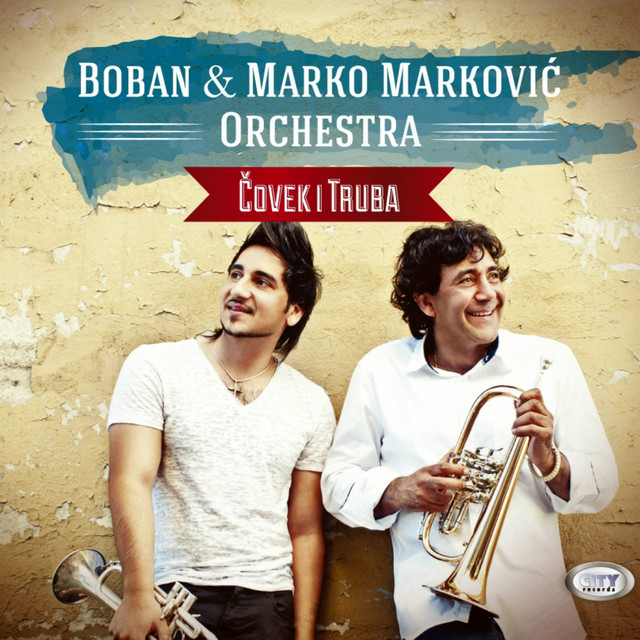
Boban i Marko Markovic Orkestar
Balkan Brass Band
Brass Band
Polka
2
/5
eine kleine dorfMusik
Brass Band
Polka
Volkspop
2
/5
BlechMän's
Brass Band Pop
Brass Band
Polka
2
/5
Oscar Pérez con la Alegre Fórmula Nueva
Chamamé
Polka
Traditional Music
2
/5
Brass Buebe
Brass Band Pop
Brass Band
Polka
2
/5
Trio CANTO A MI TIERRA de Osiris Ramses Caballero Leon
Brass Band
Traditional Music
Download our mobile app
Get the Melodigging app and start digging for new genres on the go
Download on the App Store
Get it on Google Play
© 2026 Melodigging
Give feedback
About & FAQ
Legal
Melodding was created as a tribute to
Every Noise at Once
, which inspired us to help curious minds keep digging into music's ever-evolving genres.