Genres
Artists
Albums
Make Music
Sign in
Sign in
Artists
Garage House
Artists
Garage House
Blaze
1990–2018
·
5 albums
Listen
3
/5
Genres
Tulum
Tulum is a contemporary electronic dance music sound that crystallized around the boutique party scene in Tulum, Mexico, during the 2010s. It blends deep, organic house grooves with downtempo sensibilities, hand-played percussion, and "world"-leaning timbres such as oud, bansuri, handpan, and Latin guitar. The style favors warm, analog textures; modal, minor-key harmonies (often Dorian or Phrygian); long, reverb-washed atmospheres; and subtle, mantra-like vocals or chants. Tempos usually sit between 112–120 BPM, with earthy polyrhythms and shuffling, Afro- and Latin-influenced percussion propelling a hypnotic four-on-the-floor. Aesthetically, the Tulum sound is associated with sunrise/sunset beach settings, bohemian design, and a wellness-forward, festival-adjacent culture. Musically it overlaps with the broader “organic house/downtempo” movement while retaining a distinctly tropical, ritualistic character.
Discover
Listen
Deep Tech
Deep tech (often shorthand for deep tech house) is a stripped‑back, groove‑led branch of house/tech house that emphasizes hypnotic repetition, swing, and sound design over big hooks. Typical tracks sit around 124–128 BPM, use tight, shuffling drum programming, and rely on deep sub‑bass, crisp hi‑hats, and minimal, percussive motifs. Harmony tends to be sparse—dubby chords, single‑note stabs, or short pads—leaving space for long DJ‑friendly arrangements. Vocals, if present, are usually snippets or whispered phrases processed with delay and reverb to blend into the texture rather than sit on top. The result is functional and heady: music optimized for long, seamless mixes, late‑night dancefloors, and a rolling, understated energy rather than explosive drops.
Discover
Listen
Funky Tech House
Funky tech house is a club-focused substyle of tech house that fuses the genre’s tight, modern drum architecture with the syncopation, bass guitar feel, and feel‑good riffing of classic funk and disco. It favors chunky low‑end hooks, swung percussion, and short, sample‑like stabs or guitar/keys licks that ride a steady 4/4 groove. Typical tempos sit around 124–128 BPM. Production emphasizes crisp, punchy kicks, off‑beat open hats, and clap/snare accents, with rolling, syncopated basslines that provide a constant sense of forward motion. While the aesthetic is cleaner and more minimal than traditional funky house, it keeps the smiley, dance‑floor character—often through filtered loops, bluesy or jazzy chord voicings, and memorable one‑line vocal hooks.
Discover
Listen
Powerstomp
Powerstomp is a high-energy offshoot of UK Hardcore that emphasizes a heavy, stomping 4/4 kick, euphoric melodies, and festival-sized drops. It typically runs around 165–175 BPM, replacing the rolling breakbeats of older happy hardcore with hardstyle/gabber-weighted kicks, reverse-bass grooves, and bouncy offbeat basslines. Bright supersaw leads, hands-in-the-air breakdowns, chopped vocals, and simple, chantable riffs make it highly dancefloor-focused and immediately impactful.
Discover
Listen
Uk Jackin
UK jackin is a bass-forward strain of house and UK garage that emerged in the UK during the early 2010s. It blends the swing and shuffle of garage with the chunky, percussive drive of house, emphasizing rubbery low‑end riffs, organ stabs, and chopped R&B or soul vocals. Compared with classic Chicago jackin’ house, the UK variant is darker and punchier, drawing heavily from bassline and UK bass aesthetics. Tracks typically sit around 124–130 BPM, use swung drums and syncopated bass patterns, and are arranged with DJ‑friendly intros, tension‑building breakdowns, and emphatic drops.
Discover
Listen
Funky House
Funky house is an upbeat, feel‑good strain of house music that blends the four‑on‑the‑floor pulse with the grooves, instrumentation, and harmony of 1970s/80s disco, funk, and soul. It typically features syncopated basslines (often live or sampled), bright piano or Rhodes stabs, wah‑wah or Nile Rodgers‑style guitar comping, horn and string hits, and soulful, song‑centric vocals. The production emphasizes a steady 120–128 BPM rhythm, swung hi‑hats, and crisp claps on beats 2 and 4, with tasteful filtering and sidechain compression to make basslines and chords pump against the kick. Stylistically, it sits between disco house and soulful/vocal house, aiming squarely at dancefloors while retaining pop‑friendly musicality.
Discover
Listen
Disco House
Disco house is a subgenre of house music that fuses the four-on-the-floor pulse and DJ/club culture of house with the songcraft, instrumentation, and feel-good ethos of 1970s disco and late-1970s/early-1980s post‑disco. Characterized by looped and filtered samples of disco strings, rhythm guitars, horn stabs, and soulful vocals, it commonly employs low‑pass filter sweeps, pumping sidechain compression, and swung hi‑hats to create a warm, euphoric, and dance‑centric groove. Typical tempos range from 118–128 BPM. The style is closely associated with the mid‑to‑late 1990s “French Touch” wave (Parisian producers popularizing filtered disco loops), but its roots include Chicago house’s sample-based approach and the lush arrangements of Philadelphia soul.
Discover
Listen
Diva House
Diva house is a vocal-forward strain of house music built around powerful, gospel-influenced “diva” performances, anthemic choruses, and uplifting, emotionally cathartic lyrics. It typically runs at 120–128 BPM with a four-on-the-floor kick, bright piano/organ chords, and crisp, hands-in-the-air percussion. The style blends Chicago/NY house foundations with disco and gospel’s call-and-response and key-change drama, creating club anthems centered on empowerment, love, and resilience. It is closely tied to LGBTQ+ club culture and Pride celebrations, where its big vocal hooks and communal energy thrive. Classic diva house records often feature sophisticated songcraft and radio-friendly structures while remaining tailored for extended dancefloor mixes.
Discover
Listen
Soulful House
Soulful house is a vocal- and melody-forward subgenre of house music that blends the classic four-on-the-floor groove with the warmth of soul, gospel, jazz and funk. It typically runs at a relaxed club tempo (roughly 122–127 BPM) and favors smooth, expressive lead vocals and lyric themes of love, uplift, community, and spiritual resilience. Production often features lush keyboards (Rhodes, piano, organ), warm electric or upright bass, rhythm guitar comps, and tasteful horn or sax/trumpet solos. Compared with harder club styles, the drum programming is supple and swinging, with shuffling hi‑hats and congas or hand percussion enriching the groove. The result is music that works on dancefloors yet is refined enough to appear in lounges, restaurants, boutiques, and runway contexts—at times feeling like a dance-oriented cousin of nu jazz and lounge.
Discover
Listen
Garage House
Garage house (often called US garage or New York/New Jersey garage) is a soulful, vocal-driven strain of house music that coalesced around the Paradise Garage in New York and the Zanzibar in Newark in the mid-to-late 1980s. It blends the four-on-the-floor pulse of early house with the lush orchestration and harmonies of disco, boogie, Philly soul, gospel, and contemporary R&B. Typical tracks feature warm chords (piano, Rhodes, or the Korg M1 organ), call-and-response vocals, syncopated basslines, shuffling hi-hats, and rich, uplifting arrangements designed for extended club mixes. Where Chicago house often emphasized minimal drum-machine jack tracks, garage house foregrounded songcraft—hooks, bridges, key changes, and church-influenced vocal performances—giving the genre a deeply emotive, dancefloor-focused character.
Discover
Listen
Chicago House
Chicago house is the original strain of house music that emerged from Chicago’s club scene in the mid to late 1980s. Built around a four-on-the-floor kick, syncopated hi‑hats, handclaps, and looping basslines from affordable drum machines and synths, it translated the energy of disco and boogie into a raw, hypnotic, DJ‑friendly format. The sound was forged by resident DJs and producers associated with venues like The Warehouse, Music Box, and Power Plant, as they extended and reworked soulful, gospel-tinged dance records into long, functional grooves. Early Chicago house is often sparse and gritty—driven by TR‑808/909 patterns, piano stabs, deep pads, and call‑and‑response vocals—designed first and foremost for the dance floor.
Discover
Listen
Jersey Sound
The Jersey sound (or New Jersey sound) is a soulful, gospel‑infused variant of house music that emerged in Newark, New Jersey, in the early to mid‑1980s. Rooted in deep and garage house aesthetics, it foregrounds songcraft: rich chord voicings, warm organ and piano vamps, and highly emotive, church‑influenced lead and backing vocals. A steady 4/4 kick, swung hi‑hats, syncopated percussion, and rubbery basslines underpin arrangements that often include breakdowns, key changes, and call‑and‑response hooks. DJ residencies (notably at Club Zanzibar) and local record shops/labels helped codify a sound that married Chicago house’s drum machines and disco’s momentum with Newark’s gospel and soul legacy—resulting in uplifting, melodic, and deeply human house records.
Discover
Listen
Soul
Soul is a genre of popular music that blends the spiritual fervor and vocal techniques of African‑American gospel with the grooves and song forms of rhythm & blues and the harmonic palette of jazz and blues. It is defined by impassioned, melismatic lead vocals; call‑and‑response with backing singers; handclaps and a strong backbeat; syncopated bass lines; and memorable horn or string riffs. Typical instrumentation includes drum kit, electric bass, electric guitar, piano or Hammond organ, horns (trumpet, saxophone, trombone), and sometimes orchestral strings. Lyrically, soul ranges from love and heartbreak to pride, social commentary, and spiritual yearning. Regionally distinct scenes—such as Detroit’s Motown, Memphis/Stax, Muscle Shoals, Chicago, New Orleans, and Philadelphia—shaped different flavors of soul, while the style’s emotional directness and rhythmic drive made it a cornerstone of later funk, disco, contemporary R&B, and hip hop.
Discover
Listen
Show all 13 genres
Albums
2018
1
/5
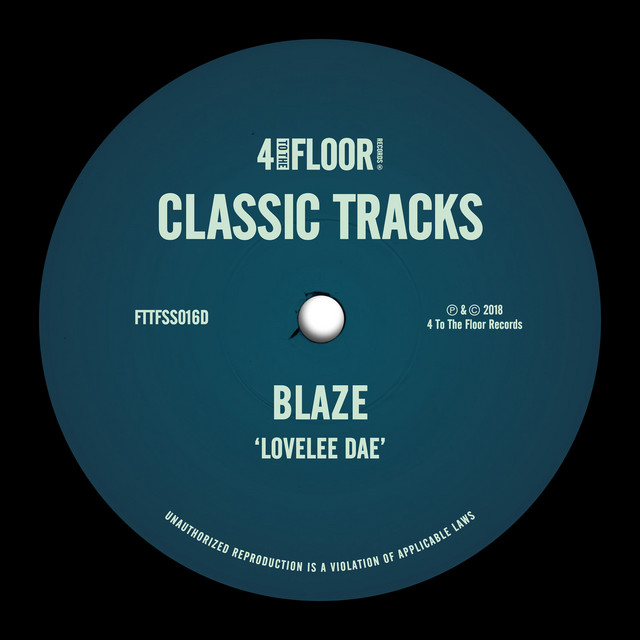
Lovelee Dae
Blaze
Garage House
1997
1
/5
Basic Blaze
Blaze
Garage House
1996
3
/5
Lovelee Dae
Blaze
Garage House
Soulful House
Chicago House
1996
3
/5
Lovelee Dae
Blaze
Chicago House
Garage House
Soulful House
1990
1
/5
25 Years Later
Blaze
Jersey Sound
Garage House
Similar artists
1
/5
Various Artists
Afro-Funk
Alternative Rock
Ambient
2
/5
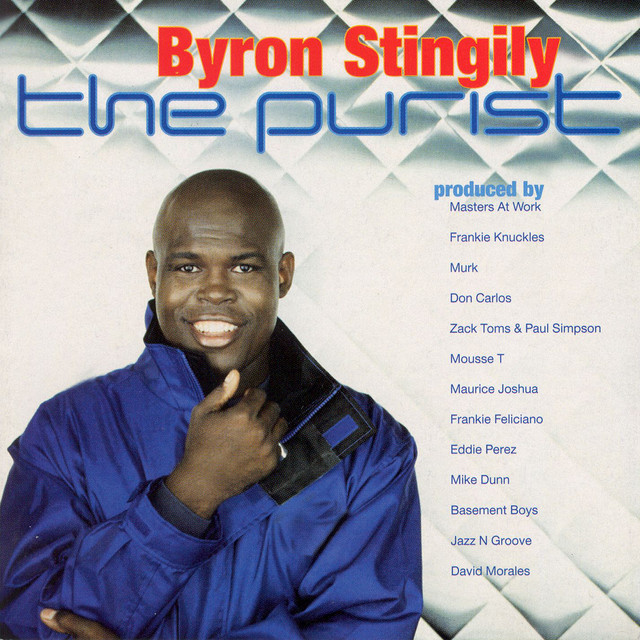
Byron Stingily
Chicago House
Garage House
Disco House
2
/5
Floorplan
Chicago House
Detroit Sound
Disco House
3
/5
Louie Vega
House
Latin House
Chicago House
3
/5
Dam Swindle
Chicago House
Deep House
Disco House
3
/5
The Shapeshifters
Funky House
Disco House
Diva House
3
/5
Soulsearcher
Disco House
Funky House
Diva House
3
/5
Paul Johnson
Chicago House
Funky House
Disco House
3
/5
kryptogram
Disco House
Funky House
Ukg Revival
3
/5
Roger Sanchez
Diva House
Tribal House
Disco House
Download our mobile app
Get the Melodigging app and start digging for new genres on the go
Download on the App Store
Get it on Google Play
© 2026 Melodigging
Give feedback
Legal
Melodding was created as a tribute to
Every Noise at Once
, which inspired us to help curious minds keep digging into music's ever-evolving genres.