Genres
Artists
Albums
Make Music
Sign in
Sign in
Artists
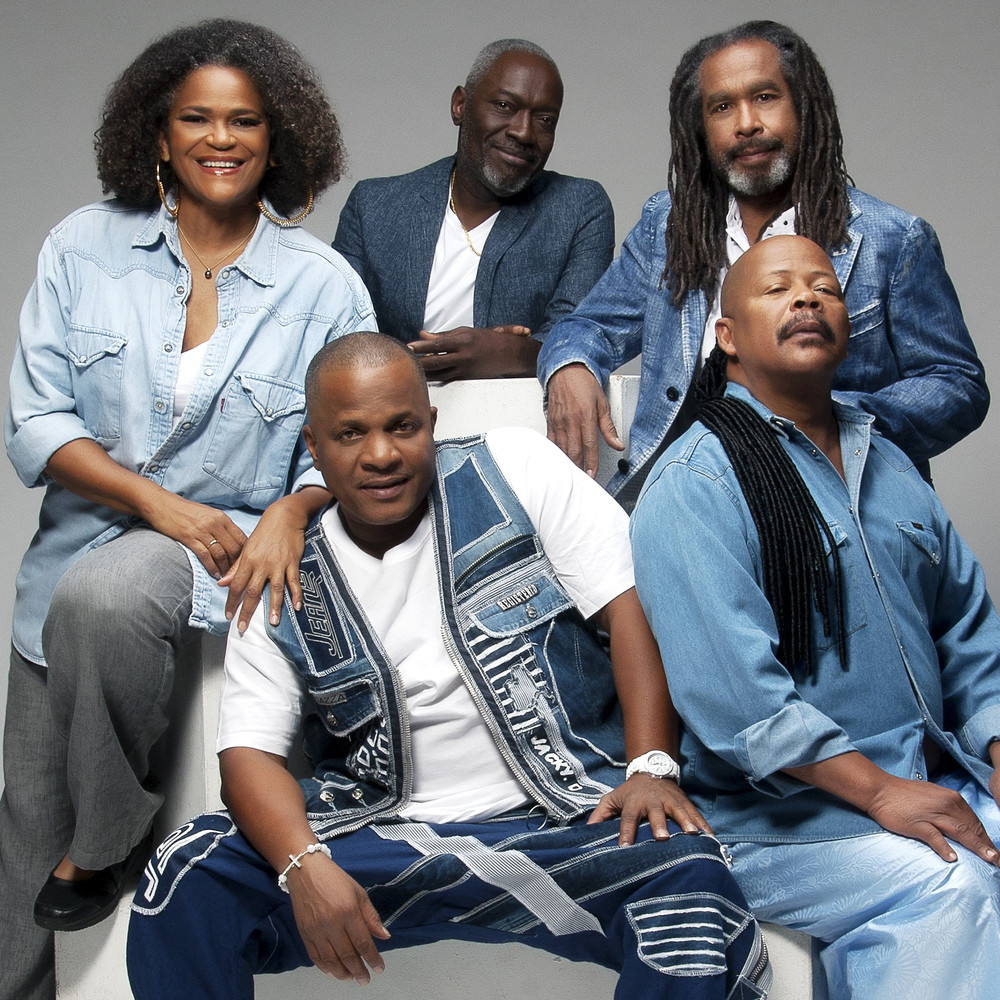
Cadence Lypso
Artists
Cadence Lypso
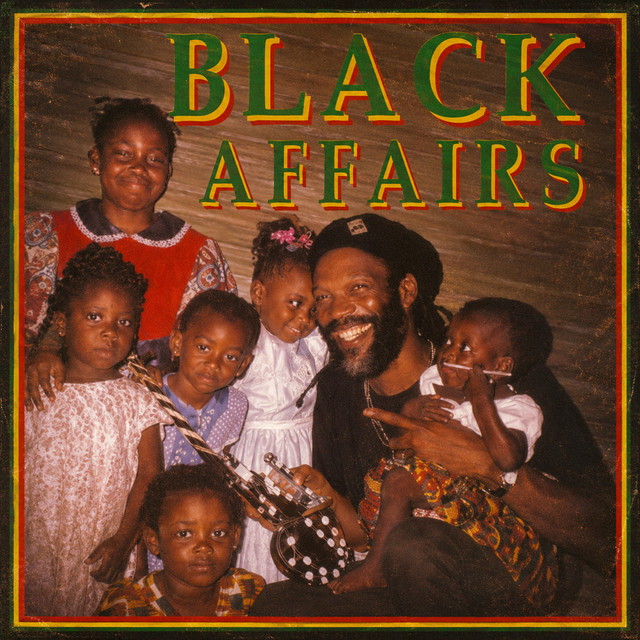
Black Affairs
3 albums
Listen
1
/5
Genres
Coupé-Décalé
Coupé-décalé is an Ivorian dance music movement known for punchy, uptempo drum programming, shouted slogans, and call-and-response vocals built around simple, catchy synth hooks. Tracks emphasize percussive drive and named dance moves, designed for rapid audience participation on the dancefloor. The style blends Congolese soukous/ndombolo showmanship (atalaku-style shouts) with Ivorian zouglou’s communal energy, Caribbean zouk smoothness, and dancehall’s club-oriented punch. Its aesthetic centers on exuberance, swagger, and celebration—often accompanied by choreographies and fashion statements that project success and joie de vivre.
Discover
Listen
Zouk
Zouk is a high-energy dance music that originated in the French Caribbean (Guadeloupe and Martinique) in the early 1980s, crystallized by the band Kassav’. It blends Haitian compas (kadans) with local folk rhythms and the glossy production aesthetics of disco, funk, and early electronic pop. Early “zouk béton” emphasized driving, tightly arranged rhythms, bright synth-brass stabs, and call-and-response vocals. A slower, smoother branch known as “zouk love” followed, foregrounding romantic lyrics, silky harmonies, and sensual grooves. Sung primarily in Antillean Creole and French, zouk is both a party soundtrack and a cultural statement of Caribbean identity.
Discover
Listen
Cadence Lypso
Cadence‑lypso (often written “cadence-lypso” or “kadans-lypso”) is a dance-oriented Caribbean style that emerged in Dominica in the mid‑1970s. It fuses the steady, guitar‑and‑horn‑driven groove of Haitian cadence/compas with the storytelling flair and melodic sensibilities of Trinidadian calypso. Bands modernized the sound with electric bass, drum kit, synthesizers, and tight horn sections, creating slick arrangements aimed at clubs, dances, and carnivals across the Lesser Antilles. Lyrics are typically in Dominican Kwéyòl (French Creole) and English, balancing social commentary with romantic themes. The result is an infectious, mid‑tempo 4/4 pulse that is both party‑ready and melodically memorable. Cadence‑lypso became a pan‑Creole phenomenon in the late 1970s, especially in Dominica, Guadeloupe, and Martinique, and it set the stage for later Antillean dance genres, most notably zouk.
Discover
Listen
Compas
Compas (also spelled konpa or compas direct) is Haiti’s modern, méringue-based dance music. It features a steady, driving groove, lyrical melodies, and tight horn or synth hooks designed for continuous social dancing. The style blends Haitian méringue rhythms with jazz and Afro‑Cuban/Latin elements, typically in a mid‑tempo 4/4. A locked‑in drum/cowbell pattern, syncopated bass ostinatos, percussive rhythm guitar, keyboards playing montuno-like figures, and call‑and‑response vocals in Haitian Creole or French are core traits. Since the late 1970s, electronic keyboards and drum machines have been common, but the feel remains warm, romantic, and unshakably danceable.
Discover
Listen
Calypso
Calypso is an Afro‑Caribbean vocal music and dance style that originated in Trinidad and Tobago among Afro‑Trinidadians. It blends West African kaiso traditions and French Creole carnival song practices into a witty, topical song form built for public performance and communal participation. Musically, calypso is typically in 2/4 or 4/4 with a lilting, syncopated "calypso rhythm" that often accents a 3‑3‑2 feel across the bar. Melodies favor catchy, singable refrains, call‑and‑response, and verse–chorus structures. Instrumentation historically included tamboo‑bamboo and hand percussion, then small dance bands with guitar, cuatro, upright bass, brass, and later steelpan and full brass/engine‑room sections. Lyrically, calypso is renowned for picong (good‑humored verbal sparring), double entendre, social and political commentary, and news‑of‑the‑day storytelling delivered by charismatic calypsonians in tents and at carnival.
Discover
Listen
Maloya
Maloya is a drum-and-voice–driven music and dance tradition from Réunion Island in the Indian Ocean. It emerged among enslaved Malagasy and East African peoples on sugar plantations and later among indentured laborers, becoming a vehicle for memory, ritual, and resistance. Its sound centers on earthy percussion (notably the deep, barrel-like roulèr drum and the grain-filled kayamb shaker), call-and-response singing in Réunion Creole, and trance-inducing, cyclical rhythms. Melodies tend to be modal and harmonically sparse, with the groove and collective chant taking precedence over chord changes. Beyond the village and ritual context (such as the syncretic servis kabaré ceremonies), maloya became a modern emblem of Réunion identity and political expression. In 2009, UNESCO inscribed maloya on the Representative List of the Intangible Cultural Heritage of Humanity.
Discover
Listen
Albums
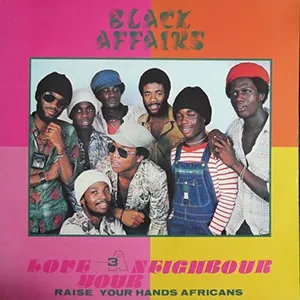
Love Your Neighbour
Black Affairs
Cadence Lypso
Black Affairs
Black Affairs
Cadence Lypso
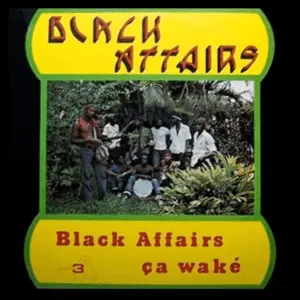
Black Affairs Ça Waké
Black Affairs
Cadence Lypso
Similar artists
2
/5
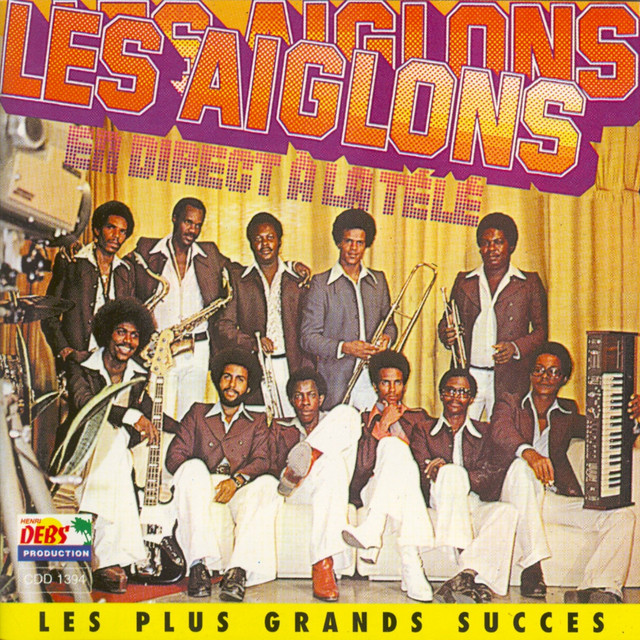
Les Aiglons
Cadence Lypso
Calypso
Compas
3
/5
Kassav'
Zouk
Calypso
Compas
3
/5
Oliver N'Goma
Zouk
Bikutsi
Compas
2
/5
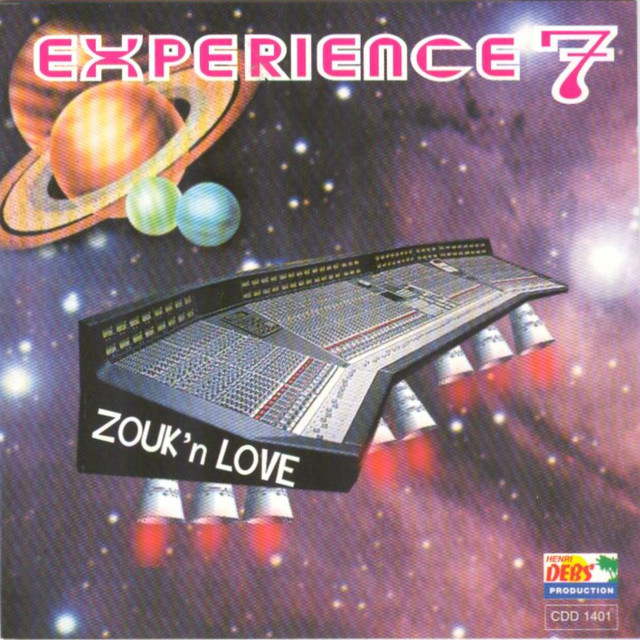
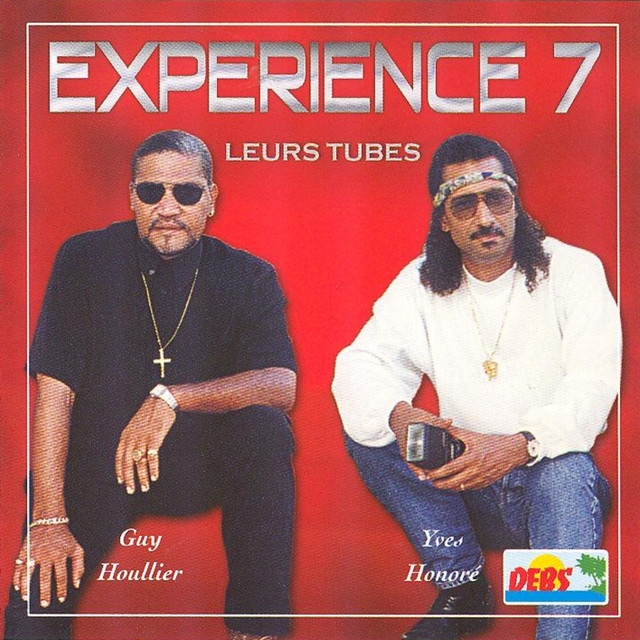
Expérience 7
Cadence Rampa
Calypso
Compas
2
/5
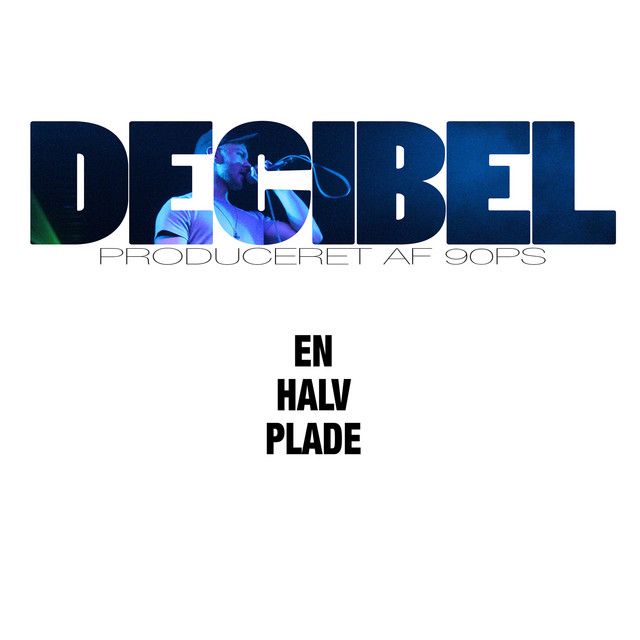
Decibel
Compas
Coupé-Décalé
Maloya
2
/5
Yves Honoré
Calypso
Compas
Maloya
2
/5
Guy Houllier
Calypso
Compas
Maloya
1
/5
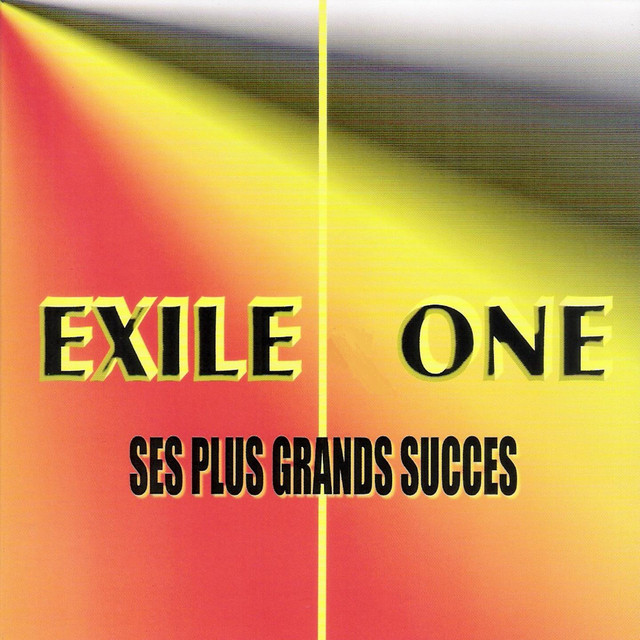
Exile One
Calypso
Compas
Maloya
1
/5
Henri Debs
Calypso
Compas
Coupé-Décalé
1
/5
Belles Combo
Cadence Lypso
Calypso
Compas
Download our mobile app
Get the Melodigging app and start digging for new genres on the go
Download on the App Store
Get it on Google Play
© 2026 Melodigging
Give feedback
Legal
Melodding was created as a tribute to
Every Noise at Once
, which inspired us to help curious minds keep digging into music's ever-evolving genres.