Genres
Artists
Albums
Make Music
Sign in
Sign in
Artists
P-Pop
Artists
P-Pop
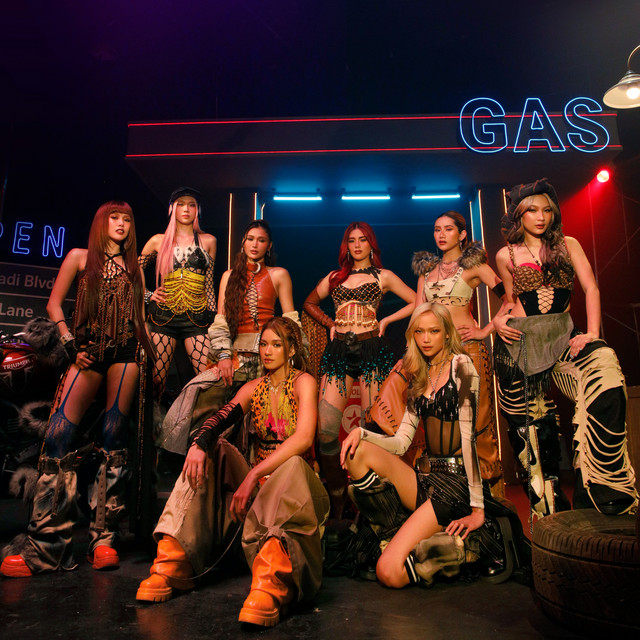
BINI
2021
·
1 album
Listen
4
/5
Genres
Sped-Up Music
Sped-up music is the practice of releasing or circulating versions of existing tracks that have been deliberately accelerated, often with a corresponding pitch raise that produces the classic "chipmunk" timbre. These versions are typically 10–35% faster than the original and are optimized for short‑form video platforms, where quick hooks and heightened energy improve replayability and engagement. While the aesthetic traces back to 2000s nightcore and fan edits on YouTube, the 2020s saw a commercial normalization: labels and artists now issue official “sped up” (and often “slowed”) versions on streaming services. The result is a micro‑genre defined less by unique compositional vocabulary than by a production treatment that recontextualizes mainstream pop, R&B, hip hop, and dance records for viral, danceable, hook‑forward consumption.
Discover
Listen
Edm
EDM (Electronic Dance Music) refers to the mainstream, festival-oriented wave of electronic dance styles that rose to global prominence in the early 2010s. It emphasizes high-energy drops, ear-catching toplines, and crowd-pleasing arrangements designed for large stages and mass audiences. Musically, EDM typically sits around 124–130 BPM with a strong four-on-the-floor kick, wide supersaw leads, bright plucks, and heavily sidechained pads and basses for a pumping feel. Tracks are structured around tension-and-release: intros and builds lead to explosive drops, followed by breakdowns that rebuild energy. Vocals and pop-style songwriting frequently appear, enabling crossover success on radio and streaming platforms.
Discover
Listen
P-Pop
P-pop (Pinoy pop) is the umbrella term for Filipino popular music, spanning slick idol groups, powerhouse solo vocalists, dance-pop, ballads, and hybrid pop-rap/R&B crossovers. While its roots lie in the 1970s OPM (Original Pilipino Music) era—fusing Western pop/rock with Filipino sensibilities—the contemporary P-pop wave integrates K-pop/J-pop-style training, choreography, and group branding with Tagalog or Taglish (Tagalog–English) lyrics and distinctly Filipino storytelling. Sonically, P-pop favors hook-forward choruses, glossy synths, tight vocal stacks, and danceable rhythms, but it also preserves the OPM tradition of emotive belting and big ballad codas. The result is a high-energy, proudly local pop sound built for both live performance and global streaming.
Discover
Listen
Opm
OPM (Original Pilipino Music) is the umbrella term for Filipino popular music, encompassing mainstream pop, soft rock, ballads, and band music primarily sung in Filipino languages (especially Tagalog) as well as English. The tag crystallized in the 1970s alongside the Manila Sound movement and the formation of a modern local recording industry that foregrounded Filipino songwriting and artists. Stylistically, OPM blends Western pop/rock and soul with indigenous and Hispanic-influenced Filipino song traditions such as kundiman and harana. Melodies tend to be singable and emotive, harmony is diatonic with occasional modulations, and lyrics often revolve around love, nostalgia, family, and national identity. Across decades, OPM has continually evolved—from disco-tinged 70s pop and 80s power ballads to 90s alternative band culture and today’s polished pop and R&B—while remaining distinctively Filipino in sensibility and storytelling.
Discover
Listen
Bubblegum Pop
Bubblegum pop is an upbeat, hook-saturated strain of pop music engineered for immediate catchiness and mass youth appeal. It favors short songs, simple melodies, bright major-key harmonies, handclaps, sing-along choruses, and playful onomatopoeia or nonsense syllables (la-la, na-na, sha-la-la). Typical productions use clean, jangly guitars, tambourines, tambourine-like percussion, and sweet backing vocals, often performed by session musicians working under producer-driven studio projects. Lyrically it is lighthearted and G-rated, centering on teen romance, dancing, and fun; musically it sits between early rock and roll, Brill Building pop, girl-group stylings, and a sprinkle of psychedelic color. The sound was designed for radio singles, TV tie-ins, and merchandising, making it one of the earliest consciously “manufactured” pop subgenres.
Discover
Listen
Girl Group
Girl group is a pop- and R&B-rooted vocal group tradition defined by all-female ensembles whose songs emphasize memorable hooks, close harmonies, and teen-focused narratives about love, longing, friendship, and empowerment. Although female vocal groups existed earlier, the term “girl group” most strongly denotes the early‑to‑mid‑1960s era shaped by the Brill Building writing teams, Motown’s artist-development system, and producers such as Phil Spector. Canonical records combine doo‑wop harmony language, gospel-inflected lead vocals, and sparkling pop arrangements with handclaps, tambourine, string sweetening, and the “Wall of Sound.” Across subsequent decades the template evolved—from 1970s soul and disco through 1990s contemporary R&B and 2000s–2020s global idol scenes—while retaining core hallmarks: tightly blended vocals, catchy chorus-first songwriting, and a strong visual identity with coordinated fashion and choreography.
Discover
Listen
Albums
2021
1
/5
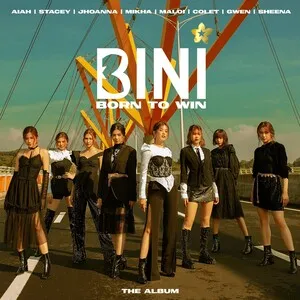
Born to Win
BINI
P-Pop
Similar artists
1
/5
Various Artists
Afro-Funk
Alternative Rock
Ambient
4
/5
Arthur Nery
Harana
Kundiman
Opm
4
/5
Flow G
Tagalog Rap
Pinoy Hip Hop
P-Pop
4
/5
Skusta Clee
Tagalog Rap
Pinoy Hip Hop
Opm
4
/5
Hev Abi
Pinoy Hip Hop
P-Pop
Opm
4
/5
Cup of Joe
Kundiman
Harana
Opm
4
/5
Ben&Ben
P-Pop
Kundiman
Opm
4
/5
December Avenue
Pinoy Alternative
Pinoy Rock
Batak
4
/5
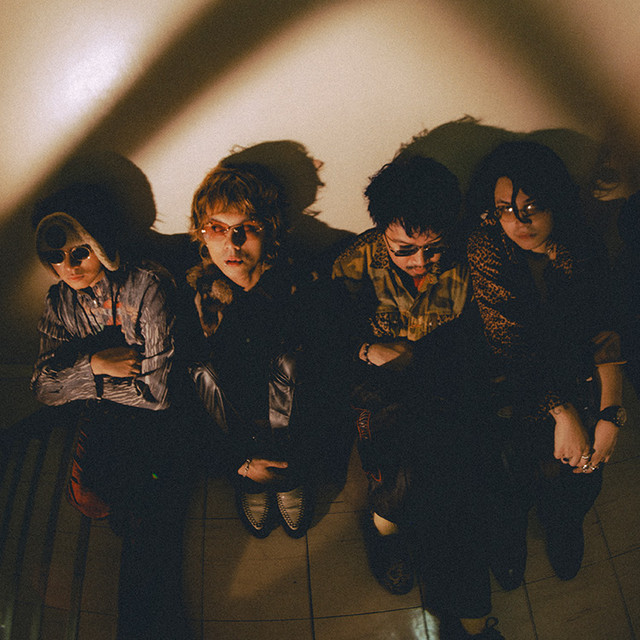
IV OF SPADES
Harana
Kundiman
Opm
4
/5
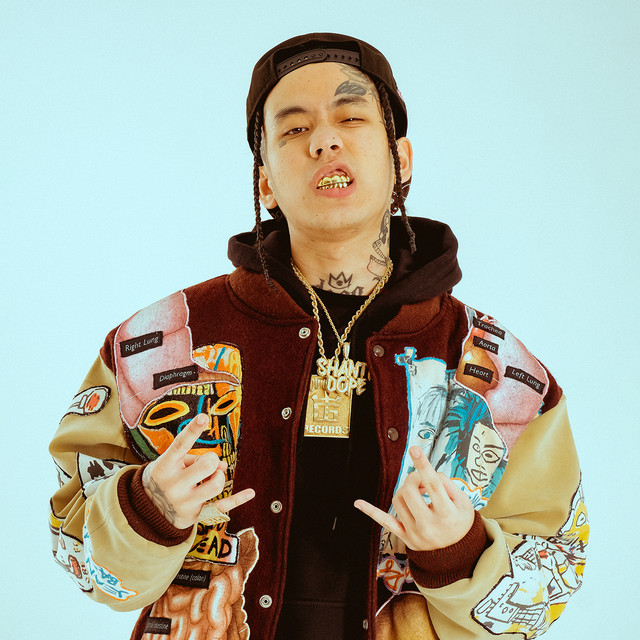
Shanti Dope
Pinoy Hip Hop
Opm
P-Pop
Download our mobile app
Get the Melodigging app and start digging for new genres on the go
Download on the App Store
Get it on Google Play
© 2026 Melodigging
Give feedback
Legal
Melodding was created as a tribute to
Every Noise at Once
, which inspired us to help curious minds keep digging into music's ever-evolving genres.