Genres
Artists
Albums
Make Music
Sign in
Sign in
Artists
Rock
Artists
Rock
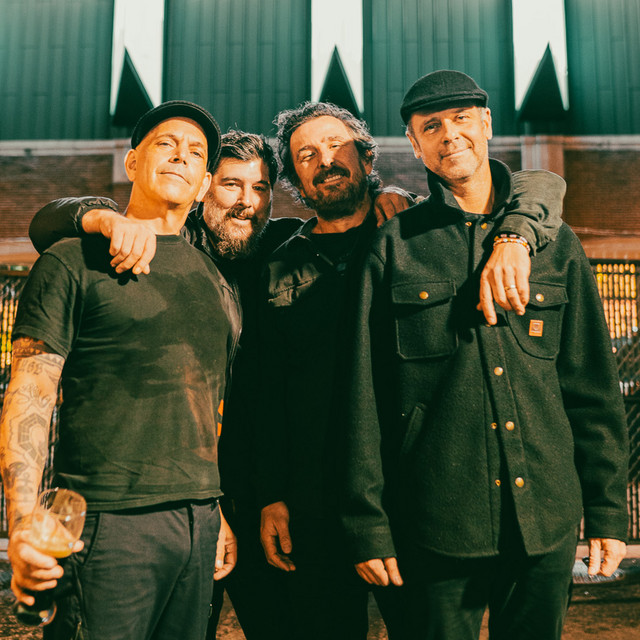
Big Drill Car
1988–1994
·
2 albums
Listen
Genres
Deep Orgcore
Deep orgcore is a crate‑digging corner of the punk universe that focuses on the most earnest, gravel‑voiced, melody‑forward strains of DIY melodic punk. Built from tight, mid‑to‑fast tempos, octave‑chord leads, ringing open chords, and shout‑along choruses, it favors cathartic lyricism about friendship, working‑class realities, touring life, and personal resolve. Vocals are typically gruff but tuneful, arrangements are compact and anthemic, and production embraces an unvarnished, live‑room feel routed through small studios and independent labels. Where “orgcore” broadly references the Fest‑era, blue‑collar melodic punk tradition, “deep orgcore” zooms into the scene’s deeper cuts—regional bands, overseas adopters, and under‑the‑radar records that maintain the style’s DIY ethics, emotional directness, and communal sing‑along energy.
Discover
Listen
Pop Punk
Pop punk blends the speed and attitude of punk rock with the melody, hooks, and songcraft of pop. It features bright, concise songs driven by crunchy power-chord guitars, punchy drums, and catchy vocal lines that often favor gang shouts and harmonies. Lyrically, pop punk tends to focus on adolescence, relationships, boredom, suburbia, and self-deprecating humor, delivered with a mix of earnestness and wit. Production ranges from raw and DIY to radio-ready polish, but the core is always immediacy: big choruses, tight structures, and energetic performances.
Discover
Listen
Punk
Punk is a fast, abrasive, and minimalist form of rock music built around short songs, stripped-down instrumentation, and confrontational, anti-establishment lyrics. It emphasizes DIY ethics, raw energy, and immediacy over virtuosity, often featuring distorted guitars, shouted or sneered vocals, and simple, catchy melodies. Typical songs run 1–3 minutes, sit around 140–200 BPM, use power chords and basic progressions (often I–IV–V), and favor live, unpolished production. Beyond sound, punk is a cultural movement encompassing zines, independent labels, political activism, and a fashion vocabulary of ripped clothes, leather, and safety pins.
Discover
Listen
Power Pop
Power pop is a guitar-driven style that distills the melodic immediacy of 1960s British Invasion pop into concise, high-energy rock songs. It emphasizes big hooks, ringing guitars (often Rickenbacker-style jangle), tight vocal harmonies, and punchy, economical arrangements that typically run around three minutes. Lyrically, it leans toward youthful longing, romance, and bittersweet nostalgia, delivered with bright major-key progressions, chiming arpeggios, and sing-along choruses. Though Pete Townshend used the term in the late 1960s, the genre cohered in the early 1970s with bands like Badfinger, Big Star, and the Raspberries, and it has resurfaced repeatedly in waves through new wave, indie, and modern pop-punk contexts.
Discover
Listen
Hardcore Punk
Hardcore punk is a faster, louder, and more abrasive offshoot of late-1970s punk rock. Songs are typically short (often under two minutes), propelled by rapid tempos, aggressive down‑stroked guitar riffs, and shouted or barked vocals. The style prioritizes raw energy over technical ornamentation: power‑chord harmony, minimal guitar solos, and tightly locked rhythm sections dominate. Lyrically, hardcore punk is intensely direct—often political, anti‑authoritarian, and socially critical—reflecting a DIY ethic that values independent labels, self‑organized shows, and community‑run spaces. The genre coalesced in U.S. scenes such as Los Angeles, Washington, D.C., New York, and Boston, and soon spread internationally. Its velocity, attitude, and grassroots infrastructure profoundly shaped underground music and paved the way for numerous metal, punk, and alternative subgenres.
Discover
Listen
Rock
Rock is a broad family of popular music centered on amplified instruments, a strong backbeat, and song forms that foreground riffs, choruses, and anthemic hooks. Emerging from mid‑20th‑century American styles like rhythm & blues, country, and gospel-inflected rock and roll, rock quickly expanded in scope—absorbing folk, blues, and psychedelic ideas—while shaping global youth culture. Core sonic markers include electric guitar (often overdriven), electric bass, drum kit emphasizing beats 2 and 4, and emotive lead vocals. Rock songs commonly use verse–chorus structures, blues-derived harmony, and memorable melodic motifs, ranging from intimate ballads to high‑energy, stadium‑sized performances.
Discover
Listen
Albums
1994
1
/5
No Worse for the Wear
Big Drill Car
Deep Orgcore
Pop Punk
Rock
1988
1
/5
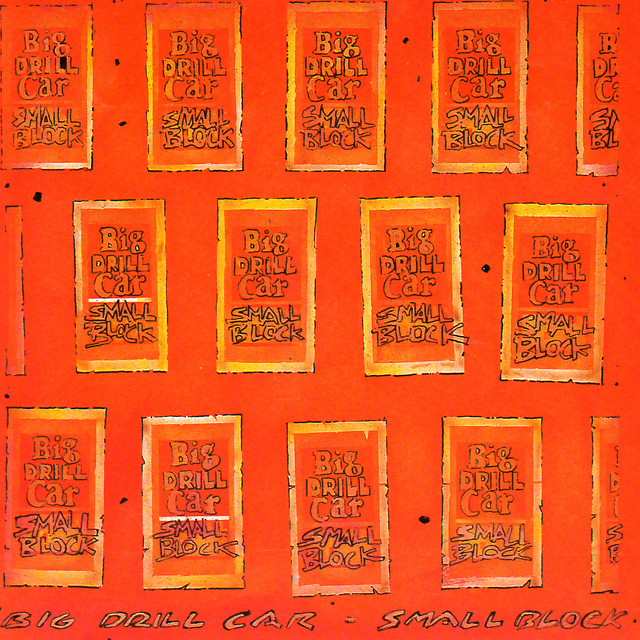
Small Block
Big Drill Car
Deep Orgcore
Power Pop
Punk
Similar artists
1
/5
Various Artists
Afro-Funk
Alternative Rock
Ambient
5
/5
Green Day
Pop Punk
Punk
Alternative Rock
3
/5
Jeff Rosenstock
Power Pop
Punk Rock
Pop Punk
2
/5
Bomb the Music Industry!
Ska Punk
Ska
Rock
3
/5
Motion City Soundtrack
Pop Punk
Emo
Emo Revival
4
/5
Jimmy Eat World
Modern Power Pop
Emo Pop
Emo
3
/5
PUP
Indie Punk
Alternative Emo
Bubblegrunge
5
/5
My Chemical Romance
Emo Pop
Emo
Pop Punk
5
/5
blink-182
Pop Punk
Punk
Skate Punk
3
/5
The Bouncing Souls
New Jersey Punk
Punk
Pop Punk
Download our mobile app
Get the Melodigging app and start digging for new genres on the go
Download on the App Store
Get it on Google Play
© 2026 Melodigging
Give feedback
Legal
Melodding was created as a tribute to
Every Noise at Once
, which inspired us to help curious minds keep digging into music's ever-evolving genres.