Genres
Artists
Albums
Make Music
Sign in
Sign in
Artists
New Age
Artists
New Age
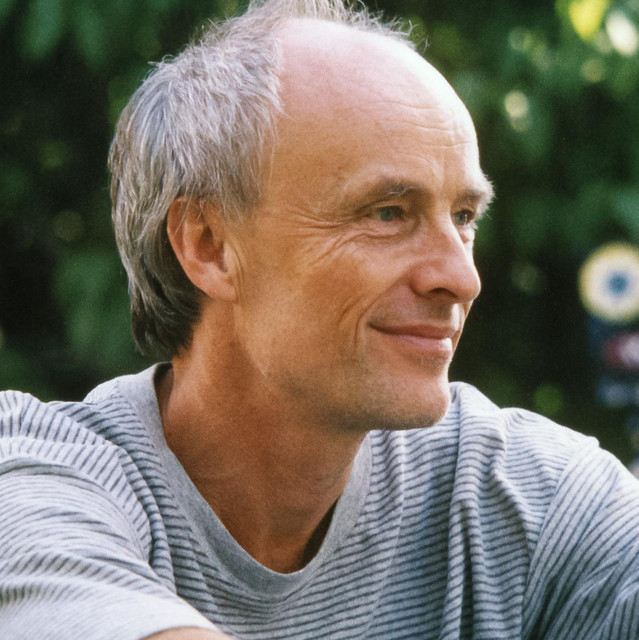
Beverly Glenn-Copeland
1970–1986
·
3 albums
Listen
2
/5
Genres
Focus Beats
Focus beats is an instrumental, low-distraction branch of beat-driven chill music made to support concentration, studying, and deep work. It typically features mellow drum grooves at moderate-to-slow tempos (often 70–90 BPM or 80–100 BPM double-time), soft-textured samples or synth pads, gentle chord voicings borrowed from jazz and soul, and clean, unobtrusive arrangements with very little (or no) vocal content. The production favors warm saturation, tape or vinyl aesthetics, and carefully controlled dynamics to avoid harsh transients that might break concentration. While closely related to lo‑fi hip hop and downtempo, focus beats is more utilitarian by design: it reduces arrangement density, melodic foregrounding, and frequency clutter so the music sits comfortably in the background, promoting a steady cognitive flow.
Discover
Listen
Transpop
Transpop is a contemporary pop micro-scene centered on transgender and gender‑expansive artists and narratives. It blends glossy pop songwriting with internet‑native production aesthetics drawn from hyperpop, electropop, and bedroom pop. Stylistically, it favors hook‑forward melodies, bright synths, pitched and processed vocals, and beat palettes that oscillate between four‑on‑the‑floor dance-pop and trap‑influenced rhythms. Lyrically it foregrounds identity, euphoria, dysphoria, love, self‑fashioning, and chosen family, often with a confessional, diaristic tone. While global and community‑driven, the sound coalesced online (SoundCloud/Discord/TikTok) and in indie queer club spaces, making it both danceable and emotionally candid.
Discover
Listen
Jazz House
Jazz house is a strand of house music that blends the genre’s four-on-the-floor pulse with the harmony, instrumentation, and improvisational ethos of jazz. Typical tracks feature swung hi‑hats, syncopated percussion, and a steady 4/4 kick at moderate club tempos, while layering lush extended chords (7ths, 9ths, 11ths, 13ths), walking or syncopated bass lines, and motifs inspired by bebop, soul jazz, and jazz‑funk. Producers often sample classic jazz recordings or record live parts—Rhodes and acoustic piano, upright or electric bass, saxophone, trumpet, guitar, vibraphone, and Hammond organ—then arrange them in house song forms with breakdowns, solos, and call‑and‑response figures. The result is music that can be both dancer‑friendly and musically rich, sitting at the intersection of deep house, acid jazz, and soulful club music.
Discover
Listen
Fourth World
Fourth World is a term coined by trumpeter-composer Jon Hassell to describe a "unified primitive/futuristic sound" that blends ambient minimalism, non-Western traditional musics, and studio electronics into an imagined global music. The style is characterized by modal drones, cyclical hand percussion, and timbral experimentation (often through harmonizers, delays, and pitch-shifting) applied to acoustic instruments—famously Hassell’s processed trumpet—alongside sampled or evoked elements of African, Indian, Southeast Asian, and other traditions. Rather than ethnographic authenticity, Fourth World proposes an imaginative, post-geographic sound world where the studio acts as a cultural crossroads. Musically it favors slow to mid tempos, layered polyrhythms, pentatonic or raga-like modality, microtonal color, spacious reverbs, and textural foregrounding. The result is meditative and sensuous, at once ancient-sounding and hyper-modern.
Discover
Listen
Ambient Pop
Ambient pop is a style of pop music that foregrounds atmosphere, timbre, and texture over conventional hooks, while still retaining song-based structures and accessible melodies. It drapes simple chordal movement and soft vocals in capacious reverbs, delays, and drones, often letting sound design and spatial depth carry as much expressive weight as lyrics. Compared with mainstream pop, ambient pop tends to be slower, quieter, and more minimal. It borrows the weightless pads and sustained tones of ambient music, the hazy guitar treatments of dream pop and shoegaze, and the gentle pulse of downtempo and chillout. The result is intimate, nocturnal, and cinematic music that feels both approachable and immersive.
Discover
Listen
New Age
New age is a largely instrumental, mood-driven genre that emphasizes calm, spacious textures and a sense of spiritual or contemplative uplift. It blends gentle electronic timbres, acoustic instruments, and global/folk influences to create immersive soundscapes intended for relaxation, meditation, and introspection. Hallmarks include slow tempos or free time, long sustaining pads, modal and consonant harmonies, nature field recordings, and unobtrusive rhythms. The music often avoids dramatic tension in favor of openness and continuity, conveying themes of inner peace, nature, and the transcendent.
Discover
Listen
Ambient
Ambient is a form of electronic and electroacoustic music that prioritizes tone, atmosphere, and texture over conventional song structures and rhythmic drive. It typically features slow-moving harmonies, sustained drones, gentle timbral shifts, and extensive use of space and silence. Rather than drawing attention to itself through hooks or beats, ambient is designed to be as ignorable as it is interesting, rewarding both background listening and focused immersion. Artists often employ synthesizers, samplers, tape loops, field recordings, and subtle acoustic instruments, with reverb and delay creating a sense of place. Substyles range from luminous, consonant soundscapes to darker, more dissonant atmospheres.
Discover
Listen
Progressive Electronic
Progressive electronic is a 1970s-born branch of electronic music that applies the exploratory ethos of progressive rock to synthesizers, sequencers, and studio-as-instrument techniques. It favors long-form structures, evolving textures, and thematic development over verse–chorus song forms. Hallmarks include analog synth timbres (Moog, ARP), step-sequenced ostinatos, spacious tape and plate reverbs, and gradual modulation of filters and envelopes. The music often embraces minimalistic repetition, cosmic and cinematic atmospheres, and a sense of narrative journey, connecting it to krautrock’s experimentalism and early ambient’s focus on tone and space.
Discover
Listen
Progressive Folk
Progressive folk is a strand of folk music that adopts the exploratory spirit, extended forms, and harmonic richness of progressive rock and jazz while remaining rooted in traditional songcraft and acoustic timbres. It favors modal melodies, intricate fingerpicking, and unusual time signatures, often weaving together British and Celtic folk idioms with classical and jazz-informed arrangements. Compared with straight folk or folk rock, progressive folk is more ambitious in structure: suites, long-form ballads, and thematic albums are common. Lyrically it ranges from pastoral and mythical to philosophical and introspective, and it frequently experiments with instrumentation (e.g., dulcimer, sitar, harp, early music winds) and layered vocal counterpoint. The result is music that feels both ancient and modern—earthy yet expansive.
Discover
Listen
Contemporary Folk
Contemporary folk is a modern evolution of traditional folk aesthetics centered on intimate storytelling, clear melodies, and largely acoustic instrumentation. It favors voice-forward production, fingerpicked or gently strummed guitars, and arrangements that leave space for lyrics to resonate. While rooted in older folk ballad traditions, contemporary folk embraces current themes, production values, and song forms. Artists often blend guitar, banjo, mandolin, fiddle, upright or electric bass, light percussion, and close vocal harmonies, creating a warm, organic sound. The genre frequently addresses personal reflection, social issues, place, memory, and identity, balancing timeless simplicity with contemporary sensibilities.
Discover
Listen
Singer-Songwriter
Singer-songwriter is a song-focused style in which the same person writes, composes, and performs their own material, often accompanying themselves on acoustic guitar or piano. It emphasizes personal voice, lyrical intimacy, and storytelling over elaborate production. Arrangements are typically sparse, allowing the melody, words, and performance nuance to carry the song’s emotional weight. While rooted in folk and blues traditions, singer-songwriter embraces pop and rock songcraft, producing works that can range from quiet confessional ballads to subtly orchestrated, radio-ready pieces.
Discover
Listen
Rock
Rock is a broad family of popular music centered on amplified instruments, a strong backbeat, and song forms that foreground riffs, choruses, and anthemic hooks. Emerging from mid‑20th‑century American styles like rhythm & blues, country, and gospel-inflected rock and roll, rock quickly expanded in scope—absorbing folk, blues, and psychedelic ideas—while shaping global youth culture. Core sonic markers include electric guitar (often overdriven), electric bass, drum kit emphasizing beats 2 and 4, and emotive lead vocals. Rock songs commonly use verse–chorus structures, blues-derived harmony, and memorable melodic motifs, ranging from intimate ballads to high‑energy, stadium‑sized performances.
Discover
Listen
Folk
Folk is a song-centered acoustic tradition rooted in community storytelling, everyday life, and social history. It emphasizes clear melodies, simple harmonies, and lyrics that foreground narrative, protest, and personal testimony. As a modern recorded genre, folk coalesced in the early-to-mid 20th century in the United States out of older ballad, work song, and rural dance traditions. It typically features acoustic instruments (guitar, banjo, fiddle, mandolin, harmonica), strophic song forms, and participatory singing (choruses, call-and-response).
Discover
Listen
Jazz
Jazz is an improvisation-centered music tradition that emerged from African American communities in the early 20th century. It blends blues feeling, ragtime syncopation, European harmonic practice, and brass band instrumentation into a flexible, conversational art. Defining features include swing rhythm (a triplet-based pulse), call-and-response phrasing, blue notes, and extended harmonies built on 7ths, 9ths, 11ths, and 13ths. Jazz is as much a way of making music—spontaneous interaction, variation, and personal sound—as it is a set of forms and tunes. Across its history, jazz has continually hybridized, from New Orleans ensembles and big-band swing to bebop, cool and hard bop, modal and free jazz, fusion, and contemporary cross-genre experiments. Its influence permeates global popular and art music.
Discover
Listen
Show all 14 genres
Albums
1986
2
/5
...Keyboard Fantasies...
Beverly Glenn-Copeland
Ambient Pop
Ambient
New Age
1986
1
/5
...Keyboard Fantasies...
Beverly Glenn-Copeland
New Age
1970
2
/5
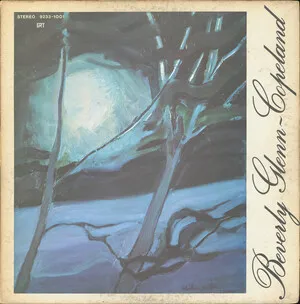
Beverly Glenn-Copeland
Beverly Glenn-Copeland
Progressive Folk
Folk
Jazz
Similar artists
3
/5
Hiroshi Yoshimura
Ambient
Fourth World
Drone
3
/5
Laraaji
New Age
Ambient
Drone
4
/5
Brian Eno
Ambient
Krautrock
Experimental
3
/5
Suzanne Kraft
Ambient
Experimental Indie
Focus Beats
2
/5
Joseph Shabason
Fourth World
Ambient
Focus Beats
1
/5
Various Artists
Afro-Funk
Alternative Rock
Ambient
4
/5
Enya
Celtic
Gregorian Dance
New Age
4
/5
Enigma
Gregorian Dance
New Age
Electronic
3
/5
Deuter
Krautrock
New Age
Ambient
3
/5
Jean-Michel Jarre
Electronic
Laboratorio
Ambient
Download our mobile app
Get the Melodigging app and start digging for new genres on the go
Download on the App Store
Get it on Google Play
© 2026 Melodigging
Give feedback
Legal
Melodding was created as a tribute to
Every Noise at Once
, which inspired us to help curious minds keep digging into music's ever-evolving genres.