Genres
Artists
Albums
Make Music
Sign in
Sign in
Artists
Krautrock
Artists
Krautrock
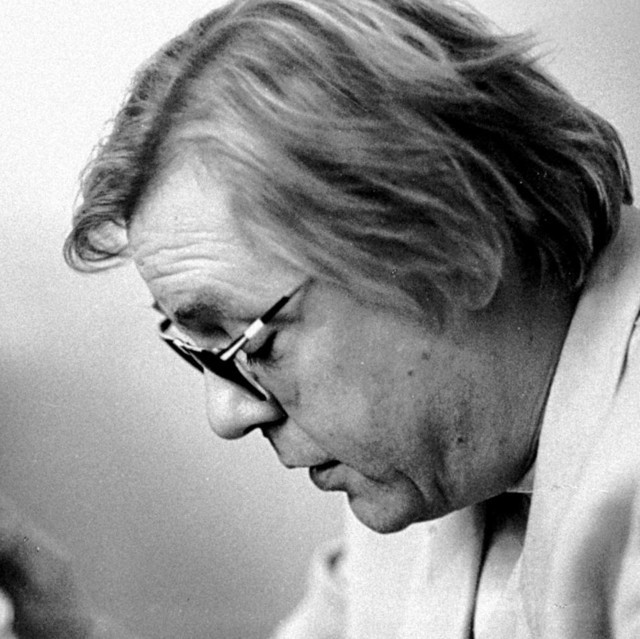
Bernard Fevre
2015
·
2 albums
Listen
2
/5
Genres
Artcore
Artcore is a subgenre of hardcore techno that fuses high-BPM club energy with the orchestral colors and dramatic writing of cinematic classical music. Producers combine pounding four-on-the-floor kicks, breakbeats, and modern EDM sound design with strings, piano, choirs, and sweeping harmonic progressions. The result is a maximalist, emotive style: towering builds, through-composed sections, key changes, and leitmotifs are common, while supersaw leads, reese basses, and intricate percussion keep the dancefloor intensity. The sound took shape in Japan’s doujin and rhythm-game circles, but it has since spread globally among electronic musicians who favor epic, narrative arrangements.
Discover
Listen
Post-Disco
Post-disco emerged at the turn of the 1980s as club music adapted to the backlash against late-1970s disco. It kept disco’s dance-floor focus but pared down the orchestral lushness, replacing strings and large horn sections with drum machines, synthesizers, and tighter funk- and soul-informed grooves. The style favors mid-tempo, bass-forward rhythms (often around 105–120 BPM), crisp handclaps, syncopated rhythm guitar, and glossy keyboard textures. It served as a bridge between classic disco and later developments like boogie, electro-funk, house, freestyle, and dance-pop, defining the sonic palette of early 1980s urban contemporary R&B.
Discover
Listen
Krautrock
Krautrock is an experimental form of rock that emerged in late-1960s West Germany, characterized by hypnotic repetition, long-form structures, and a forward-looking embrace of electronics and studio experimentation. It typically features a steady, driving 4/4 “motorik” beat, circular bass ostinatos, sparse harmonic movement, and textural layering that draws from minimalism, free improvisation, and avant-garde composition. Rather than virtuosic solos, the emphasis is on collective groove, trance-inducing momentum, and timbral exploration. The sound ranges from raw, percussive jams to spacious, cosmic electronics, often eschewing conventional Anglo-American blues forms in favor of a distinctly European modernist aesthetic.
Discover
Listen
Moogsploitation
Moogsploitation is a retroactively coined term for the late-1960s and early-1970s wave of pop-oriented records that showcased the Moog synthesizer as a novelty attraction. These albums typically featured playful, technicolor arrangements, catchy lead lines, and filter-swept timbres, often covering current chart hits, film themes, or familiar classical tunes in a cheeky, futuristic style. Sonically, moogsploitation sits at the crossroads of lounge and easy listening, space age pop, and early electronic experimentation. It foregrounds monophonic Moog leads, burbling bass ostinatos, spring/plate reverbs, tape echo, and stereo panning tricks, while rhythm sections lean on light pop, bossa-nova, or shuffle grooves. The genre blossomed after the commercial success of Wendy Carlos’s Switched-On Bach (1968), prompting labels and arrangers to release “Moog-ified” LPs that celebrated the synthesizer’s new, otherworldly character.
Discover
Listen
Production Music
Production music (also called library or stock music) is music created specifically for licensing in film, television, radio, advertising, games, and online media rather than for retail release. It is organized in catalogues by mood, style, tempo, and usage, making it quick for editors and producers to find suitable cues. Stylistically, production music is highly diverse. It spans orchestral and light music traditions, jazz, lounge, rock, funk, and contemporary electronic idioms, but is unified by functional design: clear edit points, modular structure, alternate mixes, and versions tailored to typical broadcast durations. Successful cues balance memorability with unobtrusiveness so they can support narrative, voice-over, and sound design without distracting from them.
Discover
Listen
Soundtrack
Soundtrack is music created to accompany and enhance visual media such as film, television, and video games. It includes original scores (instrumental or vocal music composed specifically for the picture) and, at times, curated compilations of pre-existing songs. Stylistically, soundtrack is a meta-genre that can encompass orchestral symphonic writing, jazz, electronic and synth-driven textures, choral forces, popular song, and experimental sound design. Its defining trait is functional storytelling: themes, motifs, harmony, rhythm, and timbre are shaped by narrative needs, character psychology, pacing, and editing. Common features include leitmotifs for characters or ideas, modular cues that can be edited to picture, dynamic orchestration for dramatic range, and production approaches that sit well under dialogue and sound effects. Because it must synchronize to picture, soundtrack often uses clear dramatic arcs, tempo maps, and hit points.
Discover
Listen
Albums
2015
1
/5
The Strange World of Bernard Fèvre
Bernard Fèvre
Production Music
Moogsploitation
Soundtrack
2015
1
/5
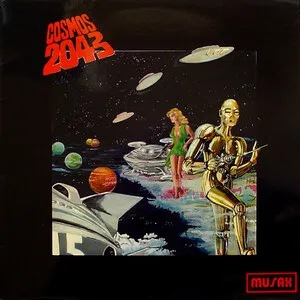
Cosmos 2043
Bernard Fèvre
Production Music
Similar artists
1
/5
Various Artists
Afro-Funk
Alternative Rock
Ambient
4
/5
Brian Eno
Ambient
Krautrock
Experimental
2
/5
Klaus Schulze
Berlin School
Ambient
Electronic
2
/5
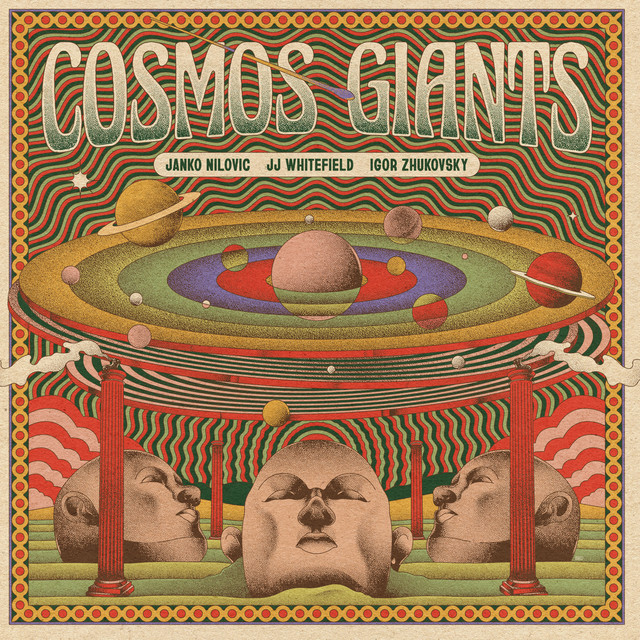
Janko Nilovic
Jazz-Funk
Production Music
Big Band
2
/5
Magma
Progressive Rock
Avant-Prog
Rock
2
/5
Goblin
Horror Synth
Progressive Rock
Rock
2
/5
Joel Vandroogenbroeck
Experimental
Krautrock
Ambient
3
/5
Piero Umiliani
Exotica
Production Music
Sound Effects
3
/5
Goat
Psychedelic Doom
Psychedelic Rock
Neo-Psychedelia
2
/5
Yasuaki Shimizu
Ambient
Fourth World
Jingles
Download our mobile app
Get the Melodigging app and start digging for new genres on the go
Download on the App Store
Get it on Google Play
© 2026 Melodigging
Give feedback
Legal
Melodding was created as a tribute to
Every Noise at Once
, which inspired us to help curious minds keep digging into music's ever-evolving genres.