Genres
Artists
Albums
Make Music
Sign in
Sign in
Artists
Mahori
Artists
Mahori
Benjarong Thanakoset
2008
·
1 album
Listen
Genres
Mahori
Mahori (Thai: มโหรี; comparable to Khmer mohaori) is a courtly Thai classical ensemble for secular entertainment that blends the bright, percussive xylophones and gong-chime circles of the piphat (and its Khmer counterpart, pinpeat) with the supple strings and flute of the khrueang sai ensemble. In practice, a mahori set features heterophonic interplay: ranat (xylophones), khong wong (gong-circles), and time-marking hand cymbals (ching) interlock with the lyrical saw duang and saw u fiddles, the plucked zither (jakhe), and the khlui bamboo flute. Traditionally lighter and more intimate than a full piphat, mahori was favored in palatial salons and aristocratic settings. Three broad ensemble sizes are recognized: Mahori Khrueang Lek (small), Mahori Khrueang Khu (medium, or “paired”), and Mahori Khrueang Yai (large). Each tier adjusts instrumentation density while preserving the signature blend of piphat/Pinpeat percussion with khrueang sai strings.
Discover
Listen
Piphat
Piphat is a foundational Thai classical ensemble style centered on pi (a double-reed oboe), xylophones (ranat), gong chimes (khong wong), and drums (taphon, klong), with time articulated by small cymbals (ching) and hand cymbals (chap). It features heterophonic texture: all instruments follow the same melodic line but render it at different densities and ornamentation levels, creating a shimmering, interlocking sound. Piphat ensembles accompany court and temple ceremonies, masked dance (Khon), dance-drama (Lakhon), and shadow play (Nang Yai), using cyclical rhythmic frameworks and modal-melodic patterns characteristic of Thai classical practice. Variants include piphat mai khaeng (hard mallets, outdoor/ceremonial power), piphat mai nuam (soft mallets, more intimate color), piphat Mon (with Mon percussion color), and piphat nanghong (funerary repertory).
Discover
Listen
Thai Classical
Thai classical is the courtly and theatrical art music of Thailand, crystallizing in the Sukhothai and Ayutthaya kingdoms and flourishing in Bangkok’s Rattanakosin era. It is performed by standardized ensembles (piphat, khruang sai, and mahori) that accompany classical dance-drama (khon, lakhon), rituals, and concerts. The music features a seven-tone, roughly equidistant heptatonic tuning, heterophonic textures (each instrument elaborating the same core melody at different densities), and cyclic rhythms articulated by small cymbals (ching) and drums (taphon, klawng). Signature timbres include the pi nai (quadruple-reed oboe), wooden xylophones (ranat ek/thum), gong-circles (khong wong yai/lek), spike fiddles (saw duang, saw u, saw sam sai), the hammered dulcimer (khim), the zither (jakhe), and flutes (khlui). Repertoire consists of named pieces and suites (thao) performed at three structural tempo levels (sam chan → song chan → chan diao), moving from expansive elaboration toward concise, driving climaxes.
Discover
Listen
Albums
2008
1
/5
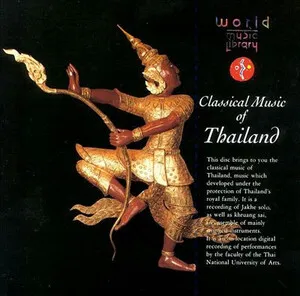
Classical Music of Thailand
Mahori
Piphat
Thai Classical
Similar artists
1
/5
The Prasit Thawon Ensemble
Luk Thung
Phleng Phuea Chiwit
Traditional Music
1
/5
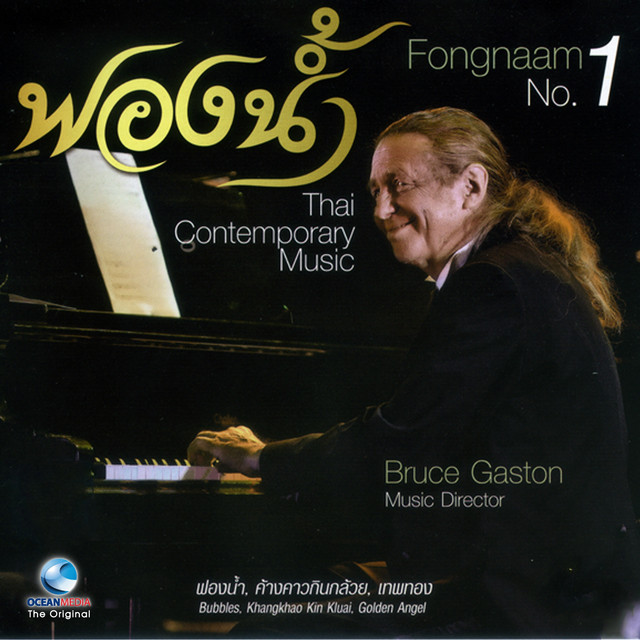
Fong Naam
Thai Classical
Piphat
Thai Music
Chaloem Muangphresi
Mahori
Piphat
Thai Classical
1
/5
Various Artists
Afro-Funk
Alternative Rock
Ambient
1
/5
Sam-Ang Sam Ensemble
Khmer Music
Traditional Music
Mahori
1
/5
Bruce Gaston
Luk Thung
Traditional Music
Thai Classical
1
/5
Mahori Kruang Sai Thai Ensemble
Luk Thung
Traditional Music
Khrueang Sai
Download our mobile app
Get the Melodigging app and start digging for new genres on the go
Download on the App Store
Get it on Google Play
© 2026 Melodigging
Give feedback
Legal
Melodding was created as a tribute to
Every Noise at Once
, which inspired us to help curious minds keep digging into music's ever-evolving genres.