Genres
Artists
Albums
Make Music
Sign in
Sign in
Artists
Acid Rock
Artists
Acid Rock
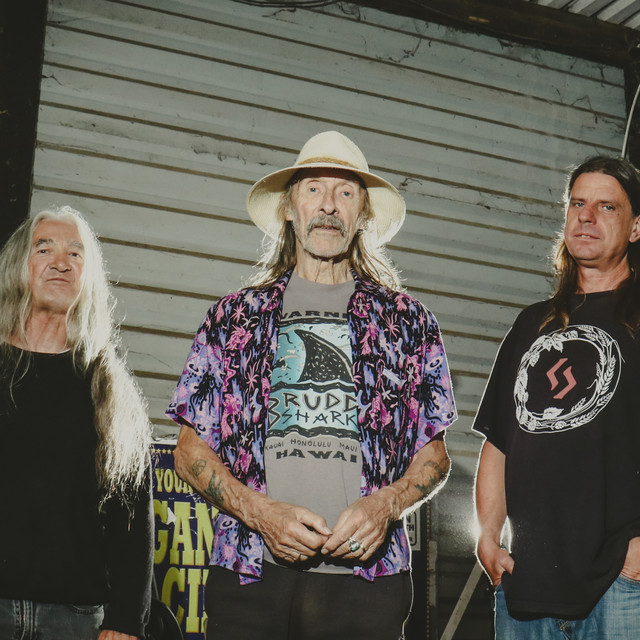
Bang
Listen
1
/5
Genres
Drone Metal
Drone metal (often called drone doom) is an extreme, minimalist offshoot of doom metal that centers on sustained tones, monumental volume, and glacial tempos. Rather than relying on riffs or conventional grooves, it foregrounds long, vibrating chords, amplifier feedback, and the physical presence of sound itself. Its textures are typically cavernous and monochromatic, with guitars tuned very low, notes held for extended durations, and percussion either sparse or entirely absent. Vocals—if present—range from ritualistic chants to guttural growls or distant murmurs, often treated as another layer of texture rather than a narrative lead. The result is immersive and meditative, yet crushing: a music of weight, space, and resonance that emphasizes timbre and decay over melody and rhythm.
Discover
Listen
Stoner Rock
Stoner rock is a heavy, riff‑centric style that blends the weight and doom of early heavy metal with the groove and expansive jams of late‑60s/70s psychedelic and acid rock. It is marked by fuzz‑drenched, down‑tuned guitars, thick bass tones, and relaxed but powerful mid‑tempo grooves. Songs often emphasize hypnotic, repetitive riffs; extended instrumental passages; and a warm, vintage analog sound. Vocals tend to be laid‑back or gritty rather than operatic, and lyrical themes commonly explore the desert, space, altered states, mythology, and countercultural imagery. The overall vibe is earthy and immersive—equal parts head‑nodding groove, psychedelic haze, and Sabbath‑born heaviness.
Discover
Listen
Glam Rock
Glam rock is a style of rock music that emerged in the early 1970s, defined as much by its flamboyant image and theatricality as by its sound. Artists embraced androgynous fashion, glitter, makeup, platform boots, and bold stage personas, using spectacle to amplify simple, catchy, riff-driven songs. Musically, glam rock fuses the drive of 1950s rock and roll with hard rock crunch, bubblegum pop hooks, and a sense of artful provocation. Songs often feature stomping, chant-ready rhythms, big choruses, guitar riffs, handclaps, and shout-along refrains. Lyrically, it leans into themes of fantasy, fame, gender play, street romance, and campy drama, blurring the line between pop accessibility and avant-garde performance.
Discover
Listen
Heavy Metal
Heavy metal is a loud, guitar-driven style of rock defined by heavily distorted riffs, thunderous drums, and powerful vocals. Its musical language emphasizes minor modes, modal (Aeolian, Phrygian) riffing, and energy over groove, often featuring virtuosic guitar solos and dramatic dynamic contrasts. Emerging from late-1960s blues rock and psychedelic experimentation, heavy metal codified a darker, heavier sound with bands like Black Sabbath, Deep Purple, and Led Zeppelin. The genre values weight, intensity, and grandeur—whether through plodding, doom-laden tempos or galloping, high-energy rhythms—paired with themes that range from personal struggle and social critique to fantasy, mythology, and the occult.
Discover
Listen
Metal
Metal (often used to mean heavy metal in its broad, umbrella sense) is a loud, guitar-driven style of rock defined by high-gain distortion, emphatic and often martial rhythms, and a dense, powerful low end. It foregrounds riff-based songwriting, dramatic dynamics, virtuosic guitar solos, and commanding vocals that range from melodic wails to aggressive snarls and growls. Harmonically, metal favors minor modes, modal color (Aeolian, Phrygian), chromaticism, and tritone-inflected tension, while thematically it explores power, mythology, the occult, social critique, fantasy, and existential subjects. While adjacent to hard rock, metal typically pushes amplification, distortion, precision, and thematic intensity further, forming a foundation for many specialized subgenres.
Discover
Listen
Acid Rock
Acid rock is a heavier, louder, and more improvisation-driven branch of psychedelic rock that emerged in the mid-to-late 1960s. It is characterized by extended guitar solos, distorted and feedback-laden textures, modal or drone-based harmony, and a strong emphasis on trance-inducing grooves. The style was closely tied to the counterculture and LSD-fueled happenings of the era, particularly on the U.S. West Coast. Musically, it blends blues-rock’s grit, garage rock’s raw energy, folk-rock’s modal harmonies, and raga-influenced drones, then amplifies everything—volume, duration, and intensity—into hypnotic, often explosive performances.
Discover
Listen
Hard Rock
Hard rock is a loud, riff-driven style of rock music built around heavily amplified electric guitars, a powerful rhythm section, and assertive vocals. Songs typically center on memorable, blues-based guitar riffs, strong backbeats, and energetic, often shouted or belted choruses. The genre emphasizes power, groove, and visceral impact over intricate harmony or extended improvisation. Distortion, power chords, pentatonic melodies, and call‑and‑response between vocals and guitar are core traits, while lyrical themes often explore rebellion, lust, swagger, escape, and cathartic release.
Discover
Listen
Proto-Metal
Proto-metal is the late-1960s hard, heavy strain of rock that crystallized the sonic vocabulary later codified as heavy metal. It bridges blues-rock, garage rock, and psychedelic rock with louder amplification, thicker distortion, and riff‑centric songwriting. Musically, proto-metal emphasizes power-trio or organ/guitar lineups, pentatonic/blues-derived riffs, power chords, and aggressive, often fuzz-saturated tones. Vocals can range from soulful shouts to theatrical wails, and rhythms often push straight 4/4 grooves at mid-to-up tempo with a palpable sense of weight and drive. Historically, it includes bands whose heaviest work predated metal as a named genre, as well as early albums by future metal standard-bearers. Its sound laid the groundwork for the timbre, riff language, and attitude of heavy metal and, by extension, numerous metal subgenres.
Discover
Listen
Psychedelic Rock
Psychedelic rock is a style of rock music that seeks to evoke, simulate, and expand altered states of consciousness through sound. It typically features timbral experimentation (fuzz, wah, tape delay, phasing), drones, modal or raga-influenced harmony, extended improvisation, studio-as-instrument production, and surreal, mystical, or mind-expanding lyrics. Emerging from mid-1960s counterculture, it fused garage-band energy with folk, blues, and non-Western musical ideas—especially Indian classical ragas—while embracing new studio technologies and concert light shows. Both a live and a studio art, psychedelic rock ranges from jangly, kaleidoscopic pop to heavy, hypnotic jams and cosmic soundscapes.
Discover
Listen
Show all 9 genres
Similar artists
3
/5
Hawkwind
Canterbury Scene
Space Rock
Hard Rock
1
/5
Various Artists
Afro-Funk
Alternative Rock
Ambient
3
/5
Uncle Acid & The Deadbeats
Doom Metal
Acid Rock
Drone Metal
2
/5
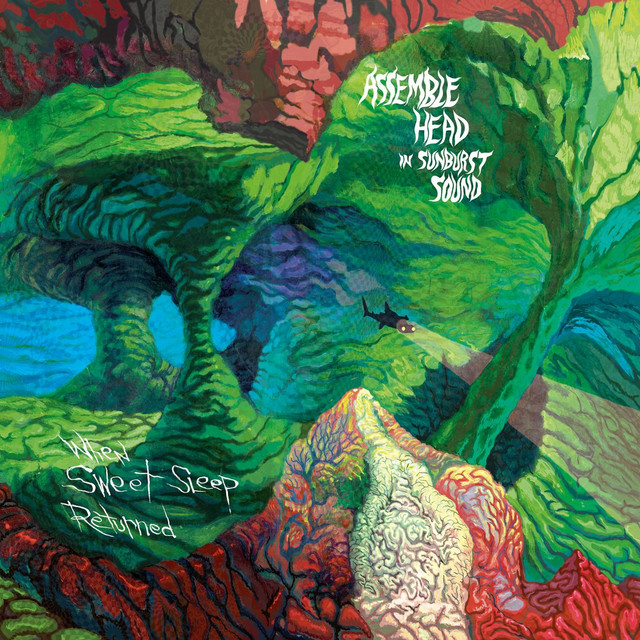
Assemble Head In Sunburst Sound
Acid Rock
Drone Metal
Neo-Psychedelia
2
/5
Baby Woodrose
Acid Rock
Drone Metal
Garage Rock
2
/5
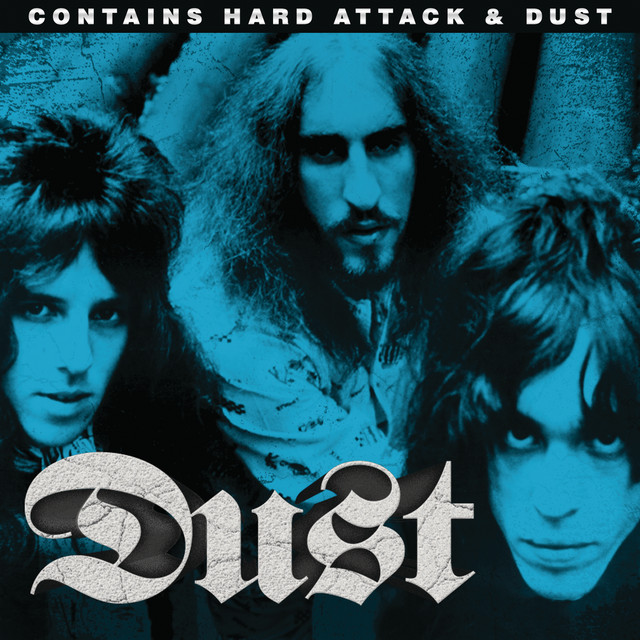
Dust
Acid Rock
Hard Rock
Stoner Rock
2
/5
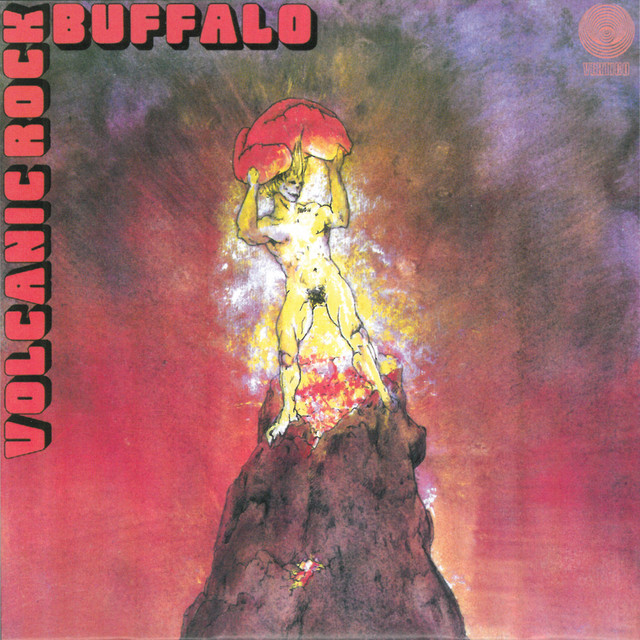
Buffalo
Aussie Pub Rock
Acid Rock
Hard Rock
1
/5
Iron Claw
Acid Rock
Doom Metal
Proto-Metal
1
/5
Radar Men from the Moon
Acid Rock
Drone Metal
Krautrock
4
/5
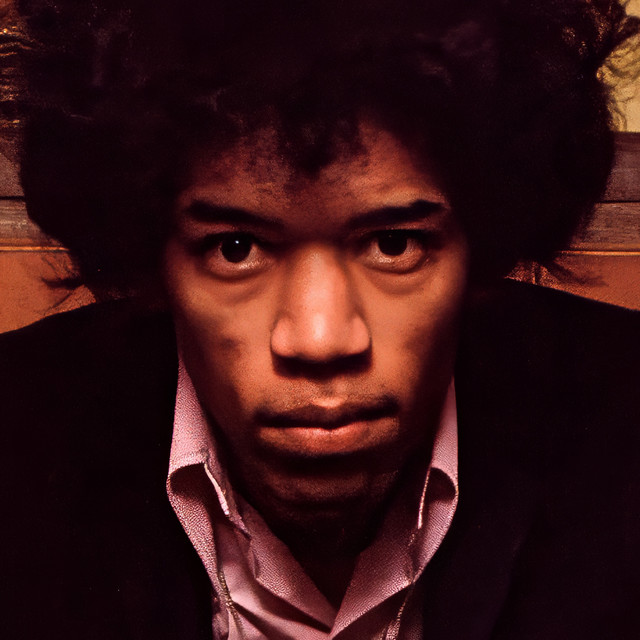
Jimi Hendrix
Blues Rock
Proto-Metal
Psychedelic Rock
Download our mobile app
Get the Melodigging app and start digging for new genres on the go
Download on the App Store
Get it on Google Play
© 2026 Melodigging
Give feedback
Legal
Melodding was created as a tribute to
Every Noise at Once
, which inspired us to help curious minds keep digging into music's ever-evolving genres.