Genres
Artists
Albums
Make Music
Sign in
Sign in
Artists
Banda
Artists
Banda
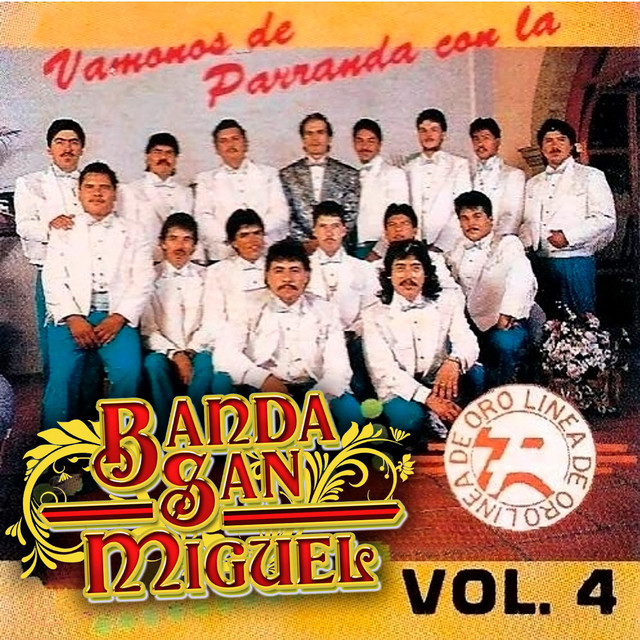
Banda San Miguel
1992
·
1 album
Listen
3
/5
Genres
Banda Jalisciense
Banda jalisciense is a brass‑band style of regional Mexican music rooted in the state of Jalisco. It shares instrumentation with other banda traditions—trumpets, clarinets, trombones, tuba (or sousaphone), and a battery of percussion (tambora, tarolas/snare, cymbals)—but carries a distinctly jalisciense identity in repertoire, phrasing, and cultural references. Stylistically it blends European march, polka, and waltz forms absorbed through 19th–early 20th‑century military and civic bands with the melodic sensibility of ranchera and the local mariachi songbook. Danceable two‑steps and polkas, 3/4 waltzes, and cumbia‑inflected grooves sit alongside lyrical ballads, all delivered with bright brass voicings and unison or third‑based horn melodies. Lyrically, banda jalisciense often celebrates Jalisco’s charro imagery, hometown pride, romance, and everyday stories, carried by a commanding lead vocal and frequent call‑and‑response interjections from the band.
Discover
Listen
Regional Mexicano
Regional Mexicano (Música Mexicana) is an umbrella term for folk-derived regional styles from Mexico and their Mexican American continuations in the Southwestern United States. Rather than one single sound, it gathers subgenres tied to specific regions—such as mariachi and ranchera (Jalisco/Centro-Occidente), norteño and sierreño (Norte), banda sinaloense (Sinaloa), and narrative corridos that travel nationwide. Its foundations reach back to the 16th–19th centuries, when Indigenous musical practices fused with Spanish song forms, African rhythms, and European dance-band traditions (polka, waltz, schottische), later meeting brass-band instrumentation and, in the North, accordion-led ensembles. In the 20th century it consolidated through radio, cinema, and records, and in the late 20th century became a major Spanish-language radio format in the U.S. Today it ranges from emotive ranchera ballads to high-energy banda and norteño dance music and modern corridos that reflect contemporary social life.
Discover
Listen
Banda Sinaloense
Banda sinaloense is a brass-driven regional Mexican style that arose in the state of Sinaloa, blending European military band sonorities with local dance and song forms. Ensembles typically feature clarinets, trumpets, trombones, alto/baritone horns, and a tuba or sousaphone, anchored by the iconic tambora (bass drum with mounted cymbal) and tarola (snare drum). Its repertoire spans lively polkas, waltzes, mazurkas, schottisches, and pasodobles, alongside Mexican corridos, rancheras, boleros, and modern cumbias. The sound is powerful and celebratory: unison brass fanfares, tight harmonized lines, and a driving “oom‑pah” low end support emotive lead vocals and energetic percussion, making it a staple of festivals, dances, and contemporary charts.
Discover
Listen
Banda
Banda is the traditional music of the Banda peoples of the Central African Republic and adjacent regions of the central Sudano–Congolese belt. It centers on communal performance—singers, dancers, and instrumentalists creating interlocking parts that are woven together through call-and-response and polyrhythm. Characteristic timbres include ensembles of natural horns (notably among Banda-Linda groups) that perform single-note hocketing to build complex melodic textures, wooden slit-drums used for rhythm and communication, frame and barrel drums, rattles, handclaps, transverse and end-blown flutes, and lamellophones (sanza/likembe). Vocal music ranges from antiphonal work and dance songs to ceremonial chants, often supporting life-cycle rituals, healing, hunting, and communal celebrations. Melodically, Banda repertoires commonly employ pentatonic and heptatonic pitch collections, while rhythmically they favor layered ostinati in compound meters (e.g., 12/8) and additive patterns. The music functions as living social practice, binding community, marking identity, and conveying oral history.
Discover
Listen
Ranchera
Ranchera (canción ranchera) is a traditional Mexican song genre characterized by passionate, emotive vocals; memorable, singable melodies; and direct, heartfelt lyrics about love, heartbreak, drinking, patriotism, rural life, and personal honor. Although its roots reach back to rural song traditions of the late 18th and early 19th centuries, ranchera consolidated as a national popular style before the Mexican Revolution and was later projected across Latin America through the Golden Age of Mexican cinema. The genre is commonly performed with mariachi (violins, trumpets, vihuela, guitarra, guitarrón), but it can also appear with norteño, banda, or solo voice-and-guitar arrangements. Musically, rancheras often use simple strophic or verse–chorus forms, tonal harmonies (I–IV–V with occasional secondary dominants or modulations), and meters in 3/4 (vals ranchero) or 2/4 and 4/4 (ranchera alegre or ranchera lenta). Vocal delivery features expressive rubato, dramatic dynamic arcs, and the iconic grito (a shouted cry) between phrases.
Discover
Listen
Albums
1992
Vamonos De Parranda
Banda San Miguel
Banda Jalisciense
Similar artists
3
/5
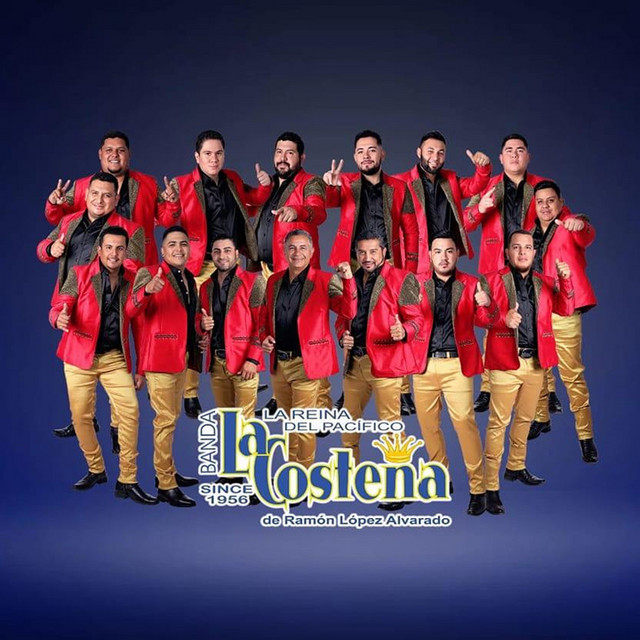
Banda La Costeña
Banda
Norteño
Ranchera
5
/5
Grupo Firme
Grupera
Ranchera
Norteño
5
/5
Banda MS de Sergio Lizárraga
Banda Sinaloense
Regional Mexicano
Bandas De Viento De México
4
/5
Banda El Recodo
Banda Sinaloense
Regional Mexicano
Latin
4
/5
El Fantasma
Ranchera
Norteño
Banda Sinaloense
4
/5
Jenni Rivera
Banda Sinaloense
Bandas De Viento De México
Banda
4
/5
Los Dos Carnales
Banda
Corrido
Norteño
4
/5
Valentín Elizalde
Corrido
Banda Sinaloense
Bandas De Viento De México
4
/5
El Coyote Y Su Banda Tierra Santa
Banda
Corrido
Norteño
4
/5
El Chapo De Sinaloa
Banda
Duranguense
Grupera
Download our mobile app
Get the Melodigging app and start digging for new genres on the go
Download on the App Store
Get it on Google Play
© 2026 Melodigging
Give feedback
Legal
Melodding was created as a tribute to
Every Noise at Once
, which inspired us to help curious minds keep digging into music's ever-evolving genres.