Genres
Artists
Albums
Make Music
Sign in
Sign in
Artists
Electronic
Artists
Electronic
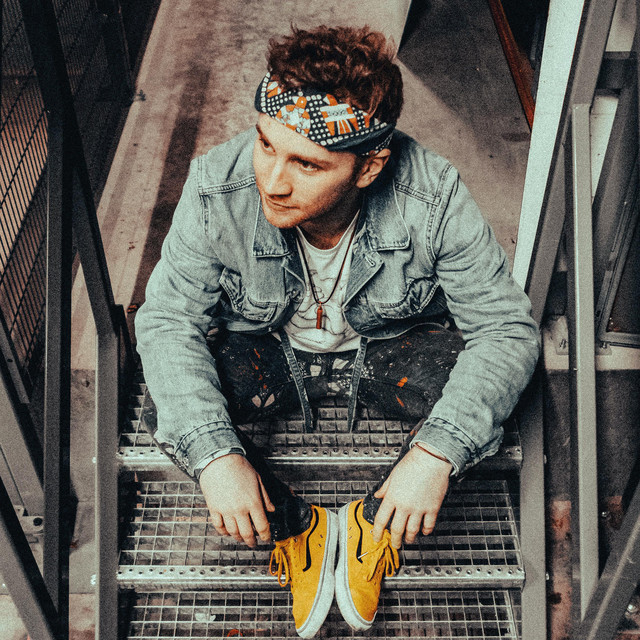
Author
2011–2013
·
2 albums
Listen
1
/5
Genres
Downtempo Bass
Downtempo bass is a modern electronic style that fuses the relaxed pacing and texture-first focus of downtempo with the sound‑design intensity and low‑frequency weight of contemporary bass music. Typically sitting around 70–100 BPM (or 140–200 BPM felt in halftime), it features sub‑heavy, sculpted bass lines, crisp but unhurried drums, and spacious, cinematic atmospheres. Producers draw from ambient pads, world/organic instrumentation, and field recordings, then anchor these timbres with dubstep‑informed subs, glitchy ear‑candy, and hip‑hop/halftime grooves. The result is music that can be both meditative and body‑moving: intimate in texture yet powerful on a sound system, equally at home in headphones, yoga/downtempo gatherings, and late‑night bass stages.
Discover
Listen
Dubstep
Dubstep is a bass‑centric electronic dance music genre that emerged in South London in the early 2000s. It is typically around 140 BPM and is defined by a half‑time rhythmic feel, sub‑heavy basslines, sparse yet impactful drums, and a strong emphasis on space, tension, and sound system weight. Hallmark traits include syncopated kick patterns, snares on the third beat of the bar, swung/shuffly hi‑hats inherited from UK garage, and modulated low‑frequency bass (“wobbles”) shaped with LFOs, filters, and distortion. Influences from dub reggae (echo, delay, and minimalism), jungle/drum & bass (bass science and sound system culture), and 2‑step garage (rhythmic swing and shuffles) are central. The style ranges from deep, meditative “dub” aesthetics (often called deep dubstep) to more aggressive, midrange‑driven variants that later informed brostep and festival bass. Atmosphere, negative space, and subwoofer translation are as important as melody or harmony.
Discover
Listen
Minimal Dubstep
Minimal dubstep is a sparse, low-end-focused strain of dubstep that emphasizes negative space, sub‑bass pressure, and stripped‑back rhythm. Typically centered around 138–142 BPM with half‑time drum programming, it pares arrangements to only the essentials: kick, snare, a few percussive details, and a monolithic, dub‑treated bassline. Rather than dense mid‑range “wobble,” the style favors sine‑heavy subs, restrained sound design, and dubwise mixing—echoes, delays, and long reverb tails that let silence and decay do as much expressive work as the notes themselves. Drawing on minimal techno’s repetition and dub techno’s spatial depth, minimal dubstep cultivates a dark, moody atmosphere that rewards big sound systems and deep listening.
Discover
Listen
Deep Dubstep
Deep dubstep is a minimalist, sub‑bass–driven branch of dubstep that emphasizes space, weight, and soundsystem imagery over overt aggression. Running mostly at 140 BPM with a half‑time feel, it favors clean sine/triangle subs, restrained drum programming, and cavernous dub effects. Compared to mainstream or “brostep” variants, deep dubstep keeps the focus on low‑end pressure, negative space, and hypnotic repetition, drawing heavily on UK sound system culture and classic dub techniques (reverb, delay, tape‑style saturation). Its palette often includes field recordings, mic’d foley, and moody pads, with sparse melodies that leave room for the bass to physically move a room.
Discover
Listen
Grime
Grime is a fast, raw, and minimalist form of rap-driven electronic music that emerged from London’s pirate radio culture in the early 2000s. It typically runs at around 140 BPM, with skeletal, syncopated drum patterns, stark sub-bass, and icy synth stabs that leave space for agile MCs. The genre’s vocal style emphasizes rapid-fire flows, internal rhymes, and wordplay that reflect urban life, competition, humour, and social commentary. Grime inherited the DIY energy of UK garage and jungle sound systems while foregrounding MC culture as the main event, building a distinctive British rap identity separate from U.S. hip hop.
Discover
Listen
Downtempo
Downtempo is a mellow, groove-oriented branch of electronic music characterized by slower tempos, plush textures, and a focus on atmosphere over dancefloor intensity. Typical tempos range from about 60–110 BPM, with swung or laid-back rhythms, dub-informed basslines, and warm, jazz-tinged harmonies. Stylistically, it blends the spaciousness of ambient, the head-nodding rhythms of hip hop and breakbeat, and the cosmopolitan smoothness of lounge and acid jazz. Producers often use sampled drums, Rhodes or Wurlitzer electric pianos, guitar licks with delay, and field recordings to create intimate, cinematic soundscapes. The mood spans from soulful and romantic to introspective and dusk-lit, making it a staple of after-hours listening, cafes, and relaxed club back rooms.
Discover
Listen
House
House is a dance music genre that emerged in Chicago in the early 1980s, defined by a steady four-on-the-floor kick drum, off-beat hi-hats, soulful or hypnotic vocals, and groove-centric basslines. Typical tempos range from 118–130 BPM, and tracks are structured in DJ-friendly 16–32 bar phrases designed for seamless mixing. Drawing on disco’s celebratory spirit, electro-funk’s drum-machine rigor, and Italo/Hi-NRG’s synth-led sheen, house prioritizes repetition, tension-and-release, and communal energy on the dancefloor. Its sound palette often includes 808/909 drums, sampled or replayed disco/funk elements, filtered loops, piano/organ stabs, and warm, jazzy chords. Over time, house diversified into many substyles—deep house, acid house, French house, tech house, progressive house, and more—yet it remains a global foundation of club culture, known for emphasizing groove, inclusivity, and euphoria.
Discover
Listen
Electronic
Electronic is a broad umbrella genre defined by the primary use of electronically generated or electronically processed sound. It encompasses music made with synthesizers, drum machines, samplers, computers, and studio/tape techniques, as well as electroacoustic manipulation of recorded or synthetic sources. The genre ranges from academic and experimental traditions to popular and dance-oriented forms. While its sonic palette is rooted in electricity and circuitry, its aesthetics span minimal and textural explorations, structured song forms, and beat-driven club permutations. Electronic emphasizes sound design, timbre, and studio-as-instrument practices as much as melody and harmony.
Discover
Listen
Show all 8 genres
Albums
2013
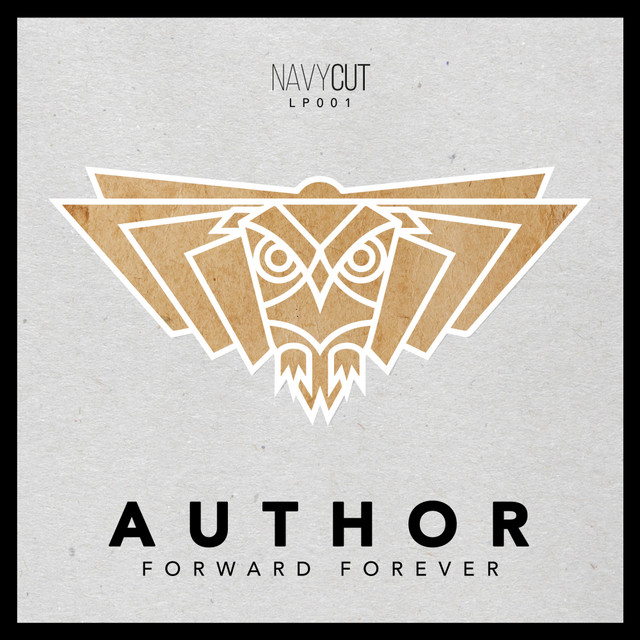
Forward Forever
Author
Downtempo
Dubstep
Electronic
2011
Author
Author
Electronic
Similar artists
1
/5
Various Artists
Soundtrack
Afro-Funk
Alternative Rock
3
/5
Fox Stevenson
Drumstep
Complextro
Drum And Bass
3
/5
Mount Kimbie
Future Garage
Electronic
Post-Dubstep
3
/5
Au5
Chillstep
Dubstep
Melodic Dubstep
3
/5
Phaeleh
Chillstep
Electronic
Ambient
2
/5
FaltyDL
Electronic
Idm
Dubstep
2
/5
Kode9
Dubstep
Electronic
Hauntology
2
/5
Nomine
Dubstep
Minimal Dubstep
Electronic
4
/5
Scooter
Electronic
Happy Hardcore
Rave
3
/5
Celldweller
Electronic
Ambient
Industrial
Download our mobile app
Get the Melodigging app and start digging for new genres on the go
Download on the App Store
Get it on Google Play
© 2026 Melodigging
Give feedback
Legal
Melodding was created as a tribute to
Every Noise at Once
, which inspired us to help curious minds keep digging into music's ever-evolving genres.