Genres
Artists
Albums
Make Music
Sign in
Sign in
Artists
Eai
Artists
Eai
Audrey Chen
Listen
Genres
Eai
EAI (Electroacoustic Improvisation) is a largely quiet, reductionist form of free improvisation in which musicians sculpt sound in real time using electronics, extended techniques, and the ambient characteristics of the room itself. Instead of melody, harmony, or steady pulse, the music focuses on texture, timbre, micro‑dynamics, and silence. Sine tones, feedback, contact microphones, tabletop guitars, and laptops often replace traditional instrumental roles. The result is an austere, highly attentive music that treats each sound—however small—as a structural event. EAI is frequently associated with the late‑1990s Tokyo onkyo scene and parallel European reductionist circles. Performances are typically intimate, with players listening as much as playing, privileging restraint, duration, and the sonic grain of materials.
Discover
Listen
Free Improvisation
Free improvisation is a practice of spontaneous music-making that avoids fixed idioms, stylistic templates, and pre-agreed structures. Musicians prioritize listening, interaction, and the exploration of sound itself—timbre, texture, dynamics, and silence—over conventional melody, harmony, or pulse. Guitarist Derek Bailey popularized the notion of "non-idiomatic improvisation," describing a music that deliberately resists falling into recognizable genre habits. While often overlapping with free jazz and contemporary classical experimentalism, free improvisation is not confined to either. It welcomes any instrument or sound source—acoustic, electronic, or everyday objects—and frequently uses extended techniques, feedback, and unconventional performance gestures. Performances can range from whisper-quiet, pointillistic interplay to ferocious, high-energy noise, with the ensemble shaping form in real time through attention and constraint.
Discover
Listen
Sound Poetry
Sound poetry is a vocal and performance-centered art in which the sonic qualities of language—phonemes, rhythm, timbre, breath, and noise—take precedence over conventional meaning. It treats the voice as an instrument, privileging articulation, texture, and extended vocal techniques (glossolalia, onomatopoeia, sputters, clicks, growls) rather than syntactic sense. Historically linked to the Futurist and Dada avant-gardes, it later embraced microphones, tape, and studio manipulation, blurring boundaries between poetry, music, theatre, and sound art. In performance, sound poetry ranges from minimal breath pieces to dense, rhythmically propelled vocal works, from solo utterance to ensemble structures and electroacoustic collages.
Discover
Listen
Similar artists
2
/5
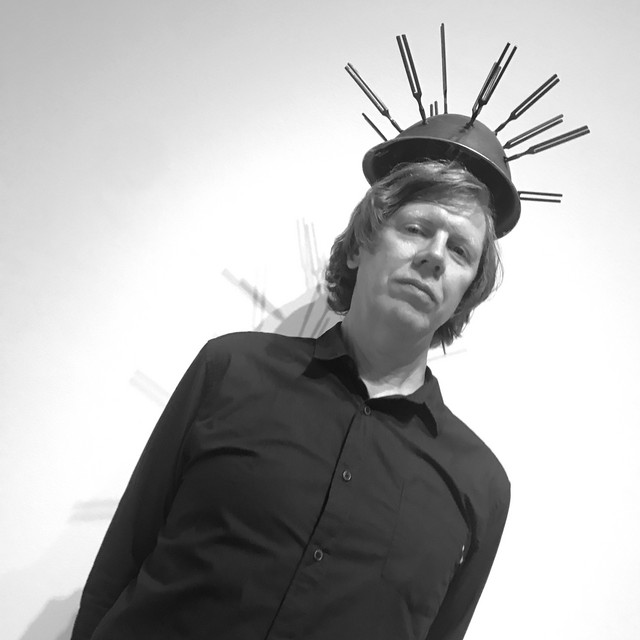
Thurston Moore
No Wave
Noise Rock
Experimental Rock
2
/5
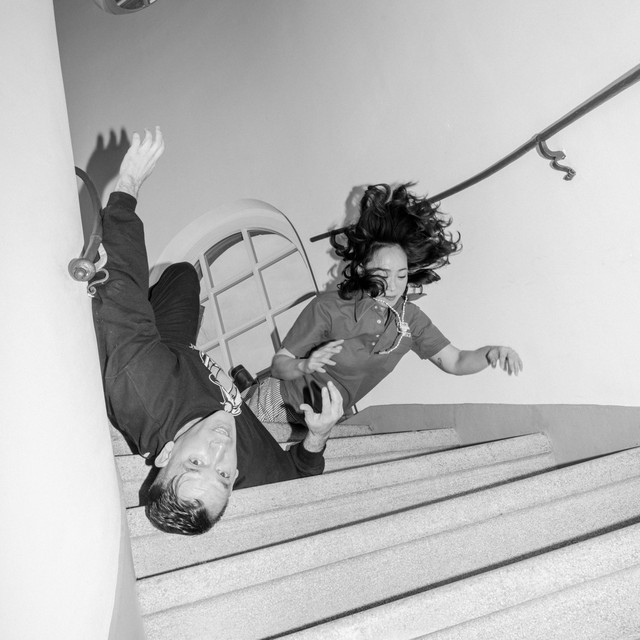
Xiu Xiu
Experimental
Art Pop
Electronic
2
/5
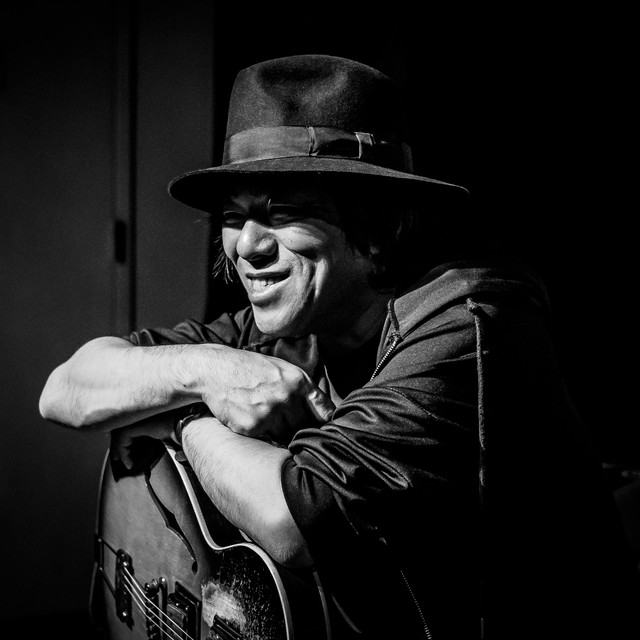
Otomo Yoshihide
Experimental
Avant-Garde
Eai
2
/5
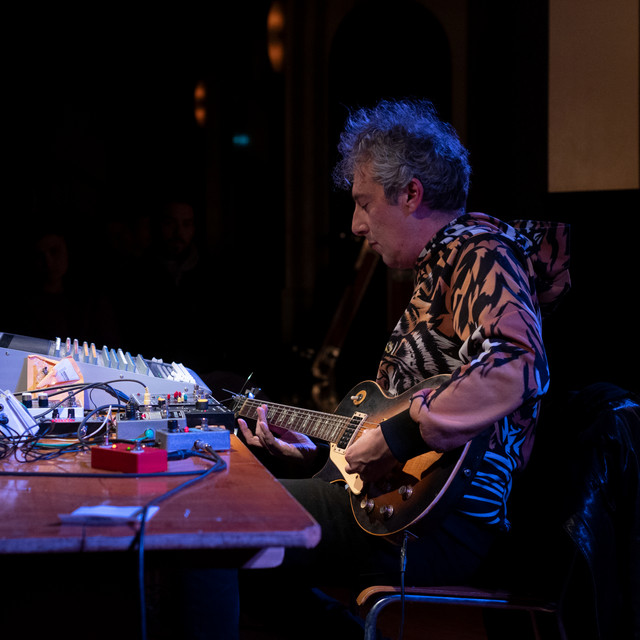
Oren Ambarchi
Lowercase
Ambient
Electronic
1
/5
John Zorn
Avant-Garde Jazz
Free Improvisation
Jazz
1
/5
Rhodri Davies
Free Improvisation
Drone
Experimental
1
/5
Supersilent
Experimental
Electronic
Avant-Garde
1
/5
Tony Conrad
Avant-Garde
Drone
Experimental
1
/5
Keith Rowe
Avant-Garde
Drone
Experimental
1
/5
C. Spencer Yeh
Avant-Garde
Drone
Experimental
Download our mobile app
Get the Melodigging app and start digging for new genres on the go
Download on the App Store
Get it on Google Play
© 2026 Melodigging
Give feedback
Legal
Melodding was created as a tribute to
Every Noise at Once
, which inspired us to help curious minds keep digging into music's ever-evolving genres.