Genres
Artists
Albums
Make Music
Sign in
Sign in
Artists
Pop
Artists
Pop
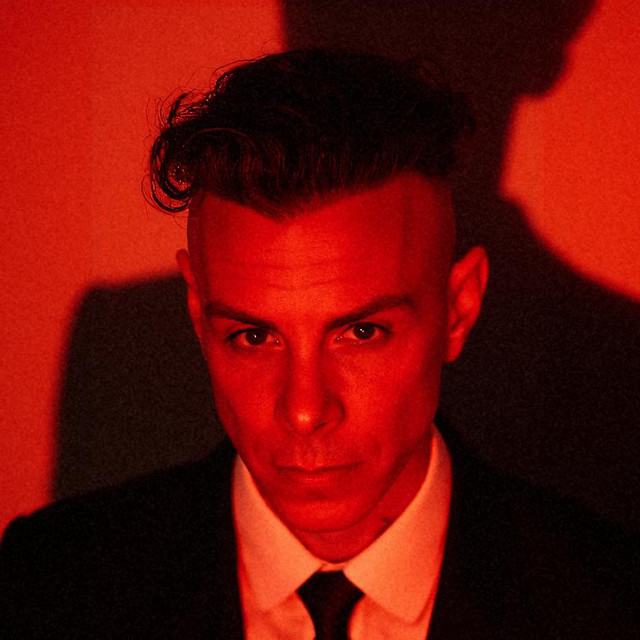
Asaf Avidan
2012–2025
·
6 albums
Listen
4
/5
Genres
Cruise
Cruise is a fast-paced Nigerian dance music style built around energetic grooves and heavily chopped sampling. It commonly uses short, looped vocal snippets—often humorous or meme-like—cut and rearranged into rhythmic hooks. The sound is club-forward and party-ready, prioritizing movement, chantable moments, and quick transitions over long melodic development. Cruise is closely tied to Nigerian youth party culture and internet-driven humor, where witty sample choices and catchy loop design are as important as the drum patterns.
Discover
Listen
Escape Room
Escape room is a data-driven label popularized by Spotify to cluster artists who blur lines between alternative R&B, experimental pop, left-field hip hop, and cutting‑edge club/electronic production. Rather than a strict set of musical rules, it signals a sound defined by textural minimalism, sub‑heavy and off‑kilter rhythms, intimate vocal delivery (often breathy or ASMR-adjacent), and a strong emphasis on sound design and negative space. Songs frequently juxtapose glossy melodies with abrasive or deconstructed percussive layers, creating a stylish, future‑leaning mood that resists easy categorization. The name is unrelated to physical puzzle rooms; instead, it marks music that “escapes” legacy genre boxes while remaining pop‑adjacent and internet‑native in aesthetics and distribution.
Discover
Listen
Indie Triste
Indie triste ("sad indie") is a Spanish‑language micro‑scene of indie pop/folk that foregrounds intimate, melancholic songwriting and understated, bedroom‑made production. Its core sound blends soft acoustic guitars, gently pulsing rhythms, close‑mic’d vocals, and lo‑fi textures, often wrapped in reverb and tape‑like warmth. Thematically, the songs dwell on heartache, small‑town longing, fleeting youth, and late‑night introspection. While rooted in indie folk and singer‑songwriter traditions, the style embraces contemporary bedroom pop aesthetics and dream‑pop atmospheres, prioritizing mood and storytelling over virtuoso display.
Discover
Listen
Lo Star
Lo star is a streaming-era umbrella tag used to group under-the-radar, low-profile artists who sit on the fringes of indie, alternative, DIY pop, and related scenes. Rather than denoting a single, tightly defined musical vocabulary, it marks a discovery space of self-produced or small-label projects with modest audiences, genre-fluid aesthetics, and a distinctly DIY approach to recording and release. Expect intimate vocals, inexpensive or home-studio production, hybrid acoustic/electronic textures, and songwriting that favors personal storytelling and immediacy over polish. Because it functions as a curatorial category for emerging or niche acts, the sonic palette spans indie rock and folk-pop to bedroom pop and lo-fi electronic, unified by scale, ethos, and distribution more than by strict musical rules.
Discover
Listen
Experimental Indie
Experimental indie is a broad, exploratory wing of independent rock and pop that prioritizes curiosity over convention. It blends DIY recording practices with off‑kilter song forms, unusual timbres, and a willingness to fold in ideas from avant‑pop, noise, electronic music, and psych. Rather than a fixed sound, it is a method and attitude: use the tools at hand (bedroom rigs, pedals, samplers, tape, software) to push past genre borders, while keeping the immediacy and intimacy of indie. Expect jagged rhythms, warped hooks, collage‑like arrangements, and production choices that foreground texture as much as melody.
Discover
Listen
Pilates
Pilates (as a music tag) refers to functional, unobtrusive, largely instrumental music curated to accompany Pilates classes and home workouts. It emphasizes smooth, breath-synchronized flow, stable tempos, and gentle dynamics that support precise, low‑impact movements rather than demand attention. Typical playlists blend calming ambient textures, new age pads and piano, soft downtempo beats, and lounge/chillout grooves. Tracks avoid abrupt transitions, harsh transients, or prominent vocals so instructors and practitioners can focus on alignment, core control, and breathing cues. Tempos cluster in the mid‑range (roughly 80–110 BPM for controlled flow) with slightly faster passages (up to ~120–125 BPM) for more athletic sequences, and slower, atmospheric cues for warm‑ups and cool‑downs. Production values prioritize warmth, spaciousness, and clarity: round low end for grounded movement, soft high‑frequency detail that doesn’t fatigue the ear, and steady dynamics to keep the nervous system calm and attention centered on form.
Discover
Listen
Dark Cabaret
Dark cabaret is a theatrical, macabre-tinged revival of early 20th‑century cabaret filtered through post‑punk and goth sensibilities. It embraces piano‑led or accordion‑driven songwriting, minor‑key harmonies, and stylized storytelling that draws on Weimar‑era satire, black humor, and noir imagery. Performances are as central as the songs: vocal delivery tends to be expressive and characterful, arrangements are chamber‑like (strings, woodwinds, percussion), and shows often incorporate burlesque, sideshow, and vaudeville aesthetics. Lyrically, dark cabaret juxtaposes romance and ruin, tragedy and farce, exploring themes like decadence, crime, obsession, and the grotesque with a wink and a knife‑edge.
Discover
Listen
Alternative
Alternative is an umbrella term for non-mainstream popular music that grew out of independent and college-radio scenes. It emphasizes artistic autonomy, eclectic influences, and a willingness to subvert commercial formulas. Sonically, alternative often blends the raw immediacy of punk with the mood and texture of post-punk and new wave, adding elements from folk, noise, garage, and experimental rock. While guitars, bass, and drums are typical, production ranges from lo-fi to stadium-ready, and lyrics tend toward introspection, social critique, or surreal storytelling. Over time, “alternative” became both a cultural stance and a market category, spawning numerous substyles (alternative rock, alternative hip hop, alternative pop, etc.) and moving from underground circuits to mainstream prominence in the 1990s.
Discover
Listen
Indie Rock
Indie rock is a subgenre of rock and a branch of alternative rock that coalesced in the early–mid 1980s around independent labels and DIY practices in the United Kingdom, the United States, and New Zealand. Defined less by a single sound than by an ethos, indie rock favors non‑mainstream approaches, self‑recording and small‑label distribution, and an interest in pop‑informed melody and eclectic experimentation. Hallmarks include jangly or fuzzed guitars, intimate or deadpan vocals, off‑kilter song structures, and production that often preserves a raw, “authentic” feel rather than glossy studio polish.
Discover
Listen
Singer-Songwriter
Singer-songwriter is a song-focused style in which the same person writes, composes, and performs their own material, often accompanying themselves on acoustic guitar or piano. It emphasizes personal voice, lyrical intimacy, and storytelling over elaborate production. Arrangements are typically sparse, allowing the melody, words, and performance nuance to carry the song’s emotional weight. While rooted in folk and blues traditions, singer-songwriter embraces pop and rock songcraft, producing works that can range from quiet confessional ballads to subtly orchestrated, radio-ready pieces.
Discover
Listen
Art Pop
Art pop is a strand of pop music that treats the pop song as a canvas for high-concept ideas, experimental techniques, and cross-media aesthetics. It marries accessible melodies and hooks with the visual culture of art schools, the conceptual rigor of the avant-garde, and the studio-as-instrument ethos. Sonically, art pop favors eclectic instrumentation (synths, orchestral timbres, guitars, found sounds), unusual song forms, and sophisticated harmony. It often employs collage, musique concrète–like textures, and theatrical vocal delivery while still keeping a pop-facing surface. Beyond sound, art pop is deeply visual and conceptual: albums are framed as coherent artworks, stagecraft and video are integral, and lyrics tend toward intertextuality, character work, irony, and social commentary. The result is pop that is both immediate and idea-driven.
Discover
Listen
Folk Rock
Folk rock is a fusion genre that blends the narrative lyricism, modal melodies, and acoustic timbres of traditional folk with the backbeat, amplification, and song structures of rock. It typically pairs acoustic or traditional instruments (acoustic guitar, mandolin, fiddle) with a rock rhythm section (electric guitar, bass, drums), often featuring chiming 12‑string guitar textures, close vocal harmonies, and socially conscious or storytelling lyrics. The result ranges from intimate, reflective ballads with a steady backbeat to more anthemic, roots‑driven rock. Emerging in the mid‑1960s through artists such as Bob Dylan and The Byrds, folk rock became a gateway for traditional and roots materials to enter mainstream popular music, and it seeded later movements from country rock and Americana to jangle pop and modern indie folk.
Discover
Listen
Pop
Pop is a broad, hook-driven style of popular music designed for wide appeal. It emphasizes memorable melodies, concise song structures, polished vocals, and production intended for radio, charts, and mass media. While pop continually absorbs elements from other styles, its core remains singable choruses, accessible harmonies, and rhythmic clarity. Typical forms include verse–pre-chorus–chorus, frequent use of bridges and middle-eights, and ear-catching intros and outros. Pop is not defined by a single instrumentation. It flexibly incorporates acoustic and electric instruments, drum machines, synthesizers, and increasingly digital production techniques, always in service of the song and the hook.
Discover
Listen
Rock
Rock is a broad family of popular music centered on amplified instruments, a strong backbeat, and song forms that foreground riffs, choruses, and anthemic hooks. Emerging from mid‑20th‑century American styles like rhythm & blues, country, and gospel-inflected rock and roll, rock quickly expanded in scope—absorbing folk, blues, and psychedelic ideas—while shaping global youth culture. Core sonic markers include electric guitar (often overdriven), electric bass, drum kit emphasizing beats 2 and 4, and emotive lead vocals. Rock songs commonly use verse–chorus structures, blues-derived harmony, and memorable melodic motifs, ranging from intimate ballads to high‑energy, stadium‑sized performances.
Discover
Listen
Show all 14 genres
Albums
2025
Unfurl
Asaf Avidan
Art Pop
Dark Cabaret
Singer-Songwriter
2021
Le Bal des Folles (Une Bo Amazon Original)
Asaf Avidan
Indie Rock
Pop
Rock
2020
Anagnorisis
Asaf Avidan
Pop
2017
The Study on Falling
Asaf Avidan
Pop
2015
Gold Shadow
Asaf Avidan
Folk Rock
Pop
Rock
2012
Different Pulses
Asaf Avidan
Pop
Rock
Similar artists
Hide discovered
1
/5
Various Artists
Soundtrack
Afro-Funk
Alternative Rock
4
/5
Paul McCartney
Pop
Pop Rock
Rock
4
/5
Daryl Hall & John Oates
Blue-Eyed Soul
Pop Rock
Pop
4
/5
Lucio Battisti
Pop
Rock
Pop Rock
4
/5
Joni Mitchell
Folk
Folk Rock
Rock
4
/5
Suzanne Vega
Rock
Pop
Folk
4
/5
Ane Brun
Art Pop
Rock
Pop
4
/5
Adriano Celentano
Pop
Pop Rock
Rock
4
/5
Bryan Ferry
Rock
Pop
Pop Rock
4
/5
Sufjan Stevens
Indie Folk
Chamber Pop
Indie Rock
Download our mobile app
Get the Melodigging app and start digging for new genres on the go
Download on the App Store
Get it on Google Play
© 2026 Melodigging
Give feedback
About & FAQ
Legal
Melodding was created as a tribute to
Every Noise at Once
, which inspired us to help curious minds keep digging into music's ever-evolving genres.