Genres
Artists
Albums
Make Music
Sign in
Sign in
Artists
Progressive Rock
Artists
Progressive Rock
Arco Iris
1972–1992
·
8 albums
Listen
2
/5
Genres
Andean New Age
Andean new age is a meditative, atmospheric fusion of traditional Andean music with the tranquil textures and spacious production of the New Age movement. Characteristic timbres include quena (end-blown flute), zampoña/panpipes, charango, and bombo legüero, woven together with synthesizers, airy pads, soft percussion, and reverb-rich spaces. Melodies often draw on pentatonic and modal materials common to Andean traditions, but are arranged in slow-to-mid tempos with sustained drones and gentle ostinati that emphasize relaxation and contemplation. The result is music that evokes mountain vistas and pre-Columbian heritage while embracing contemporary studio aesthetics, making it at home in both world-music contexts and wellness, yoga, and ambient listening settings.
Discover
Listen
Rock Andino
Rock andino (Andean rock) is a fusion genre that blends the instrumentation, rhythms, and scales of Andean folk traditions with the timbres and song forms of rock. Typical bands combine electric guitar, bass, drums, and keyboards with charango, quena and zampoña (panpipes), bombo legüero, and siku ensembles. The music often draws on rhythmic cells from huayno, tinku, saya, and other highland dances, while harmony and arrangements reflect progressive and psychedelic rock. Lyrics frequently address indigenous identity, nature, migration, and social justice, and may be sung in Spanish alongside Quechua or Aymara. The result is a sound that can be both celebratory and contemplative: soaring panpipe lines and charango arpeggios ride atop rock grooves and extended, prog-influenced forms, creating a distinctly Andean take on rock that foregrounds cultural heritage.
Discover
Listen
Progressive Rock
Progressive rock is a rock subgenre that expands the genre’s formal, harmonic, and conceptual boundaries. It favors long-form compositions, intricate arrangements, and virtuosic musicianship, often drawing on Western classical, jazz, folk, and psychedelic idioms. Typical hallmarks include multi-part suites, shifting time signatures, extended instrumental passages, recurring motifs, and concept albums that present unified themes or narratives. The sound palette commonly features electric guitar, bass, and drums alongside an array of keyboards (Hammond organ, Mellotron, Moog/ARP synthesizers, piano), woodwinds or brass, and occasional orchestral additions. Lyrics often explore science fiction, mythology, philosophy, social commentary, and introspective themes.
Discover
Listen
Folk Rock
Folk rock is a fusion genre that blends the narrative lyricism, modal melodies, and acoustic timbres of traditional folk with the backbeat, amplification, and song structures of rock. It typically pairs acoustic or traditional instruments (acoustic guitar, mandolin, fiddle) with a rock rhythm section (electric guitar, bass, drums), often featuring chiming 12‑string guitar textures, close vocal harmonies, and socially conscious or storytelling lyrics. The result ranges from intimate, reflective ballads with a steady backbeat to more anthemic, roots‑driven rock. Emerging in the mid‑1960s through artists such as Bob Dylan and The Byrds, folk rock became a gateway for traditional and roots materials to enter mainstream popular music, and it seeded later movements from country rock and Americana to jangle pop and modern indie folk.
Discover
Listen
Argentine Rock
Argentine rock (Rock Nacional) is the Spanish-language rock tradition that emerged in Argentina in the late 1960s. It blended the energy and songcraft of Anglo-American rock and roll with local poetic sensibilities, urban bohemian culture, and distinctive Argentine rhythms and harmony. Across its history, the genre has absorbed folk, blues, psychedelia, progressive rock, new wave, punk, reggae/ska, and pop, while remaining anchored by melodic guitars, expressive vocals, and literate lyrics. Tango’s bittersweet harmonies and the cadences of Argentine folk (chacarera, milonga) subtly inform its phrasing, melodic turns, and lyric tone. The result is a body of music that ranges from intimate and reflective to stadium-sized and anthemic, with a strong emphasis on metaphor-rich storytelling in Rioplatense Spanish.
Discover
Listen
Latin Rock
Latin rock blends the instrumentation and attitude of rock with Afro‑Latin and Caribbean rhythms, percussion, and song forms. Typical bands combine electric guitars, bass, and drum kit with congas, bongos, timbales, and hand percussion, creating a driving, danceable groove grounded in the clave. Vocals may be in Spanish, Portuguese, Spanglish, or English, and lyrics range from love songs and urban life to social and political commentary. Harmonically, Latin rock draws from blues/rock progressions but frequently incorporates modal colors (Dorian, Mixolydian) and montuno‑style vamps borrowed from salsa and Afro‑Cuban traditions. The result sits comfortably between club‑ready rhythm and arena‑sized rock energy.
Discover
Listen
Rock Opera
Rock opera is a narrative-driven form of rock music in which a sequence of songs tells a coherent story, often through distinct characters, recurring leitmotifs, and theatrical arcs. Unlike a loose concept album, a rock opera typically emphasizes plot, character development, and musical continuity, borrowing structural ideas from opera (overtures, reprises, arias/solos, and dramatic climaxes) while retaining the instrumentation, rhythms, and sonic vocabulary of rock. Works can exist as studio albums, staged productions, or films, and may range from guitar-centered ensembles to fully orchestrated scores with choirs and narration. The form emerged in the late 1960s with UK pioneers and grew alongside progressive and symphonic rock in the 1970s.
Discover
Listen
Progressive Folk
Progressive folk is a strand of folk music that adopts the exploratory spirit, extended forms, and harmonic richness of progressive rock and jazz while remaining rooted in traditional songcraft and acoustic timbres. It favors modal melodies, intricate fingerpicking, and unusual time signatures, often weaving together British and Celtic folk idioms with classical and jazz-informed arrangements. Compared with straight folk or folk rock, progressive folk is more ambitious in structure: suites, long-form ballads, and thematic albums are common. Lyrically it ranges from pastoral and mythical to philosophical and introspective, and it frequently experiments with instrumentation (e.g., dulcimer, sitar, harp, early music winds) and layered vocal counterpoint. The result is music that feels both ancient and modern—earthy yet expansive.
Discover
Listen
Psychedelic Rock
Psychedelic rock is a style of rock music that seeks to evoke, simulate, and expand altered states of consciousness through sound. It typically features timbral experimentation (fuzz, wah, tape delay, phasing), drones, modal or raga-influenced harmony, extended improvisation, studio-as-instrument production, and surreal, mystical, or mind-expanding lyrics. Emerging from mid-1960s counterculture, it fused garage-band energy with folk, blues, and non-Western musical ideas—especially Indian classical ragas—while embracing new studio technologies and concert light shows. Both a live and a studio art, psychedelic rock ranges from jangly, kaleidoscopic pop to heavy, hypnotic jams and cosmic soundscapes.
Discover
Listen
Rock
Rock is a broad family of popular music centered on amplified instruments, a strong backbeat, and song forms that foreground riffs, choruses, and anthemic hooks. Emerging from mid‑20th‑century American styles like rhythm & blues, country, and gospel-inflected rock and roll, rock quickly expanded in scope—absorbing folk, blues, and psychedelic ideas—while shaping global youth culture. Core sonic markers include electric guitar (often overdriven), electric bass, drum kit emphasizing beats 2 and 4, and emotive lead vocals. Rock songs commonly use verse–chorus structures, blues-derived harmony, and memorable melodic motifs, ranging from intimate ballads to high‑energy, stadium‑sized performances.
Discover
Listen
Folk
Folk is a song-centered acoustic tradition rooted in community storytelling, everyday life, and social history. It emphasizes clear melodies, simple harmonies, and lyrics that foreground narrative, protest, and personal testimony. As a modern recorded genre, folk coalesced in the early-to-mid 20th century in the United States out of older ballad, work song, and rural dance traditions. It typically features acoustic instruments (guitar, banjo, fiddle, mandolin, harmonica), strophic song forms, and participatory singing (choruses, call-and-response).
Discover
Listen
Jazz
Jazz is an improvisation-centered music tradition that emerged from African American communities in the early 20th century. It blends blues feeling, ragtime syncopation, European harmonic practice, and brass band instrumentation into a flexible, conversational art. Defining features include swing rhythm (a triplet-based pulse), call-and-response phrasing, blue notes, and extended harmonies built on 7ths, 9ths, 11ths, and 13ths. Jazz is as much a way of making music—spontaneous interaction, variation, and personal sound—as it is a set of forms and tunes. Across its history, jazz has continually hybridized, from New Orleans ensembles and big-band swing to bebop, cool and hard bop, modal and free jazz, fusion, and contemporary cross-genre experiments. Its influence permeates global popular and art music.
Discover
Listen
Chacarera
Chacarera is a traditional Argentine folk genre and partner dance that emerged in the rural province of Santiago del Estero. It is typically played on guitar, violin, and bombo legüero, with singers delivering verses in the copla tradition. The music features the characteristic Latin American hemiola, alternating or superimposing 6/8 and 3/4 feels to create forward motion and a lively, swaying groove. Dancers face each other in lines and never embrace, using handkerchiefs to flirt and mark figures such as vueltas, zapateo (percussive footwork), zarandeo (graceful shaking), and coronación. Musically, chacareras often employ simple harmonic progressions (I–V–I with modal color), catchy violin melodies, rasgueado guitar strums, and the deep pulse of the bombo. Variants include the chacarera simple, chacarera doble (extended structure), and chacarera trunca (with a compelling, "tripped" accent pattern).
Discover
Listen
Instrumental
Instrumental is music created and performed without sung lyrics, placing the expressive weight on melody, rhythm, harmony, and timbre produced by instruments. As an umbrella practice it appears in many cultures, but its modern identity cohered in Baroque-era Europe when purely instrumental forms such as the sonata, concerto, and dance suites began to flourish. Since then, instrumental thinking—developing motives, structuring form without text, and showcasing timbral contrast—has informed everything from orchestral music and solo piano repertoire to post-rock, film scores, and beat-driven electronic styles. Instrumental works can be intimate (solo or chamber) or expansive (full orchestra), narrative (programmatic) or abstract (absolute music). The absence of lyrics invites listeners to project imagery and emotion, making the style a natural fit for cinema, games, and contemplative listening.
Discover
Listen
Show all 14 genres
Albums
1992
2
/5
Arco Iris
Arco Iris
Rock Andino
1987
1
/5
Peace Pipes
Arco Iris
Andean New Age
Folk
Instrumental
1975
1
/5
Agitor Lucens V
Arco Iris
Rock Andino
1975
1
/5
Agitor Lucens V
Arco Iris
Rock Andino
Folk Rock
Progressive Rock
1973
1
/5
Inti-Raymi
Arco Iris
Rock Andino
Folk Rock
Progressive Rock
1972
1
/5
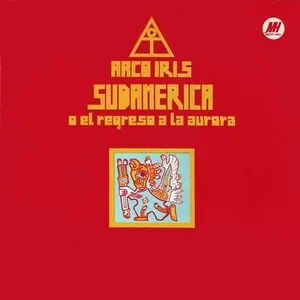
Sudamérica o el regreso a la aurora
Arco Iris
Rock Andino
1972
2
/5
Sudamérica o el regreso a la aurora
Arco Iris
Rock Andino
Rock Opera
Faisán azul
Arco Iris
Chacarera
Similar artists
2
/5
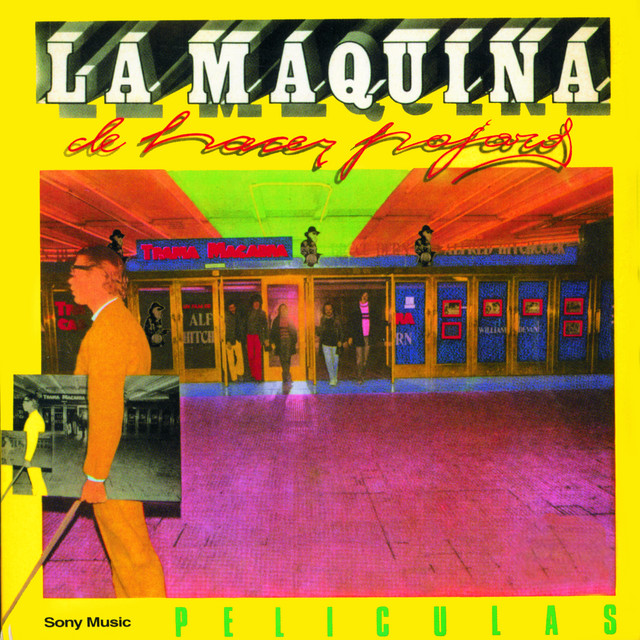
La Maquina De Hacer Pájaros
Progressive Rock
Argentine Rock
Folk Rock
3
/5
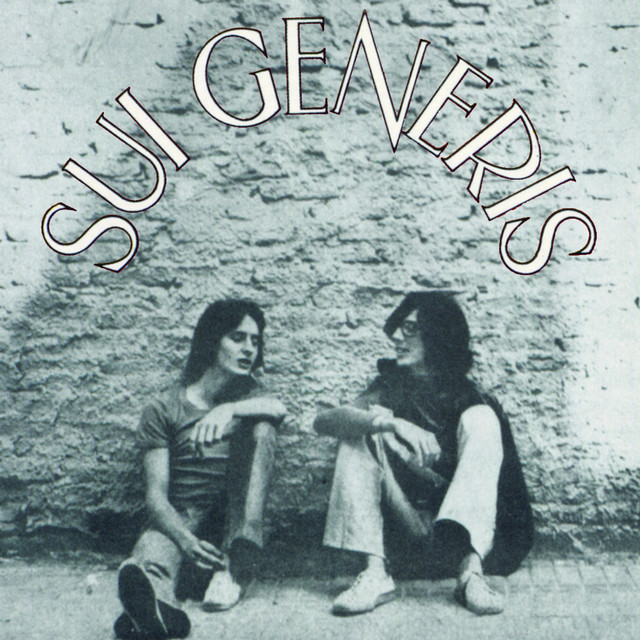
Sui Generis
Nueva Trova
Trova
Folk Rock
1
/5
Flor De Loto
Rock Andino
Progressive Metal
Folclor Andino
3
/5
Luis Alberto Spinetta
Argentine Rock
Latin Rock
Progressive Rock
3
/5
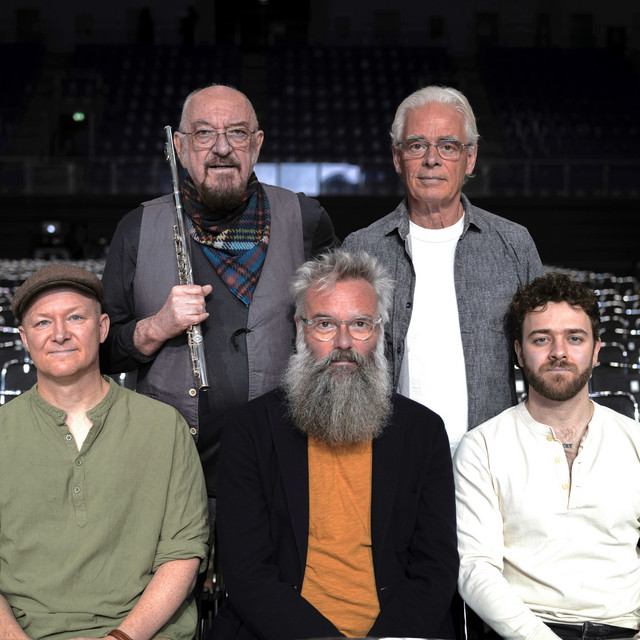
Jethro Tull
Progressive Rock
Classic Rock
Rock
3
/5
Los Jaivas
Rock Andino
Nueva Trova
Latin Folk
3
/5
The Mars Volta
Progressive Rock
Art Rock
Rock
1
/5
Kebnekajse
Folk Rock
Rock
Nordic Folk Rock
1
/5
Various Artists
Afro-Funk
Alternative Rock
Ambient
4
/5
Santana
Latin Rock
Rock
Blues Rock
Download our mobile app
Get the Melodigging app and start digging for new genres on the go
Download on the App Store
Get it on Google Play
© 2026 Melodigging
Give feedback
Legal
Melodding was created as a tribute to
Every Noise at Once
, which inspired us to help curious minds keep digging into music's ever-evolving genres.