Genres
Artists
Albums
Make Music
Sign in
Sign in
Artists
Dark Wave
Artists
Dark Wave
Apoptygma Berzerk
1996–2000
·
2 albums
Listen
2
/5
Genres
Deep Neo-Synthpop
Deep neo‑synthpop is a contemporary, mood‑forward branch of the 2000s/2010s synthpop revival that emphasizes rich low‑end, cinematic pads, and intimate, melancholic vocals. It retains the melodic immediacy and songcraft of classic 1980s synth‑pop and new wave, but updates the palette with modern sound‑design, wider stereo fields, and subdued, bass‑centric production. The style favors analog or analog‑modeled synths, pulsing arpeggios, lush chorus and reverb, and warm, side‑chained pads that breathe around the vocal. Rhythms are mid‑tempo and danceable without being aggressive, creating an enveloping atmosphere that sits between darkwave gravity and electropop clarity.
Discover
Listen
Modern Darkwave
Modern darkwave is a contemporary revival and update of 1980s darkwave, post-punk, and goth-influenced synth music. It typically blends moody, minor-key synth textures with rock-band attitude: pulsing electronic basslines, tight drum-machine grooves, and melodic vocals that range from detached and baritone to dramatic and reverbed. Compared with classic darkwave, the “modern” strain often sounds cleaner and heavier at once: larger low end, brighter synth timbres, more club-ready mixing, and occasional cross-pollination with EBM, minimal wave, and dark pop aesthetics.
Discover
Listen
New Isolationism
New isolationism is a contemporary strain of isolationist ambient and post-industrial minimalism that emerged in the 2010s, particularly around Scandinavian experimental labels and studios. It foregrounds intimate, close-mic’d sound, negative space, and a quiet-but-present noise floor; its pieces feel both internal and architectural, like rooms built from reverb tails, tape hiss, and soft electronics. Sonically, the style blends glacial drones, fragile chamber timbres (strings, organ, piano), lo‑fi electronics, and field recordings into stark, slow-evolving tableaux. Melodic information is sparse—often only a few tones or gestures—while rhythm is either absent or reduced to distant pulses, heartbeats, or mechanical cycles. Vocals, when they appear, are murmured, diaristic, or abstracted by pitch and time manipulation. Aesthetically, new isolationism is post‑internet and diaristic: it captures solitude, memory, and dislocation with a palette that feels personal yet estranged, drawing as much from contemporary gallery sound practice as from classic dark ambient.
Discover
Listen
Futurepop
Futurepop is a strand of electronic dance music that fuses the melodic focus of synth-pop with the muscular rhythms and worldview of EBM, set to trance- and techno-derived club frameworks. Often anthemic yet introspective, it emphasizes shimmering leads, arpeggiated sequences, and tight four-on-the-floor beats, while retaining EBM’s dystopian/apocalyptic themes and vocal delivery. The result is sleek, emotive songs designed for dark alternative dance floors, balancing uplifting, trance-like euphoria with noir-tinged lyrical content.
Discover
Listen
Dark Wave
Dark wave is a moody, melancholic offshoot of post-punk and new wave that emphasizes minor-key harmonies, somber timbres, and introspective or romantic lyrical themes. It blends the icy textures of early synthesizers and drum machines with reverb-laden guitars and melodic, driving basslines. The style typically features baritone or ethereal vocals, atmospheric production with heavy use of chorus, delay, and reverb, and tempos that range from slow and brooding to mid-tempo and danceable. Dark wave spans both guitar-oriented and synth-forward approaches, and often overlaps with related movements such as coldwave, minimal wave, and ethereal wave.
Discover
Listen
Ebm
Electronic Body Music (EBM) is a post-industrial dance music style that fuses the stark textures and aesthetics of industrial and synth‑punk with propulsive, club‑ready rhythms. Built on sequenced, repetitive basslines, rigid 4/4 kick patterns, and clipped, military‑tight percussion, EBM favors mostly undistorted, barked or chanted vocals and confrontational, sometimes political or provocative themes. Its sound is physical and kinetic—designed for bodies on the dance floor—yet retains the minimalist, machine‑driven discipline of early industrial and new wave electronics.
Discover
Listen
Alternative Rock
Alternative rock is a broad umbrella for guitar-based rock that emerged from the independent and college-radio scenes as a counterpoint to mainstream, commercial rock. It blends the energy and ethos of punk with the textural and songwriting experiments of post-punk, new wave, jangle pop, and noise rock, often foregrounding introspective or socially aware lyrics. Across its many strains—from the melodic minimalism of college rock to the loud-quiet-loud dynamics of grunge and the artful experimentation of Radiohead-era modernism—alternative rock prioritizes authenticity, sonic individuality, and a do-it-yourself approach. Its sound ranges from chiming, chorus-laden clean guitars to abrasive distortion and feedback, supported by straightforward rock rhythms or off-kilter grooves, and production that can be either raw and live-sounding or polished yet unconventional.
Discover
Listen
Industrial
Industrial is an experimental electronic music tradition that uses abrasive timbres, mechanical rhythms, and transgressive aesthetics. Its sound palette often includes distorted drum machines, tape loops, metallic percussion, feedback, and found-object recordings alongside synthesizers and samplers. Emerging from late-1970s UK underground art and performance scenes, industrial foregrounds themes of dehumanization, technology, surveillance, and power. Releases frequently embrace anti-commercial presentation, stark graphic design, and confrontational performance art, treating the studio as a laboratory for sonic manipulation rather than a vehicle for conventional songcraft. While early industrial emphasized noise, tape processing, and avant-garde collage, later waves fused the style with dancefloor precision (EBM), rock and metal heft, and club-oriented production, giving rise to a broad post-industrial family that remains influential in experimental, electronic, and popular music.
Discover
Listen
Industrial Rock
Industrial rock fuses the abrasive sonics of industrial music with the riffs, song structures, and performance energy of rock. Characterized by distorted guitars, pounding drum machines, sequenced bass lines, metallic samples, and heavily processed vocals, the style evokes a mechanized, dystopian atmosphere. Tempos often sit between 100–140 BPM, with rigid 4/4 grooves, syncopated patterns, and looped motifs that feel relentless and machine-driven. Lyrically and aesthetically, industrial rock often explores themes of alienation, power, technology, politics, and transgression, drawing on post-punk’s nihilism and performance-art provocation while retaining rock’s hook-driven choruses.
Discover
Listen
Synth-Pop
Synth-pop is a pop-oriented style that foregrounds the synthesizer as its primary instrument, often paired with drum machines and sequencers. It favors clean, melodic hooks, concise song structures, and a sleek, modernist sound that ranges from cool and minimal to lush and romantic. Emerging at the turn of the 1980s from the UK new wave and post-punk scenes, synth-pop leveraged affordable analog and then digital keyboards to bring electronic textures into the mainstream. Its sonic palette includes arpeggiated basslines, shimmering pads, bright leads, gated or machine-driven drums, and polished vocals that convey both futuristic detachment and emotional immediacy.
Discover
Listen
Rock
Rock is a broad family of popular music centered on amplified instruments, a strong backbeat, and song forms that foreground riffs, choruses, and anthemic hooks. Emerging from mid‑20th‑century American styles like rhythm & blues, country, and gospel-inflected rock and roll, rock quickly expanded in scope—absorbing folk, blues, and psychedelic ideas—while shaping global youth culture. Core sonic markers include electric guitar (often overdriven), electric bass, drum kit emphasizing beats 2 and 4, and emotive lead vocals. Rock songs commonly use verse–chorus structures, blues-derived harmony, and memorable melodic motifs, ranging from intimate ballads to high‑energy, stadium‑sized performances.
Discover
Listen
Electronic
Electronic is a broad umbrella genre defined by the primary use of electronically generated or electronically processed sound. It encompasses music made with synthesizers, drum machines, samplers, computers, and studio/tape techniques, as well as electroacoustic manipulation of recorded or synthetic sources. The genre ranges from academic and experimental traditions to popular and dance-oriented forms. While its sonic palette is rooted in electricity and circuitry, its aesthetics span minimal and textural explorations, structured song forms, and beat-driven club permutations. Electronic emphasizes sound design, timbre, and studio-as-instrument practices as much as melody and harmony.
Discover
Listen
Show all 12 genres
Albums
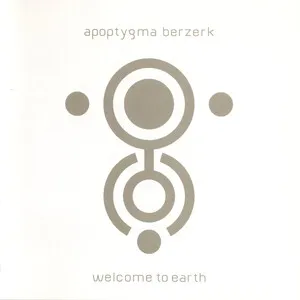
2000
1
/5
Welcome to Earth
Apoptygma Berzerk
Futurepop
Ebm
Electronic
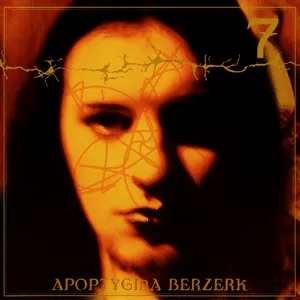
1996
1
/5
7
Apoptygma Berzerk
Futurepop
Dark Wave
Electronic
Similar artists
3
/5
VNV Nation
Industrial
Electronic
Futurepop
3
/5
Ashbury Heights
Futurepop
Dark Wave
Ebm
3
/5
Project Pitchfork
Neue Deutsche Todeskunst
Dark Wave
Electro-Industrial
4
/5
And One
Futurepop
Synth-Pop
Electronic
3
/5
Aesthetic Perfection
Aggrotech
Futurepop
Industrial Pop
2
/5
Covenant
Ebm
Synth-Pop
Futurepop
2
/5
ES23
Dark Electro
Ebm
Industrial
2
/5
Santa Hates You
Ebm
Futurepop
Dark Wave
2
/5
Assemblage 23
Ebm
Industrial
Futurepop
3
/5
Clan of Xymox
Dark Wave
Coldwave
Deathrock
Download our mobile app
Get the Melodigging app and start digging for new genres on the go
Download on the App Store
Get it on Google Play
© 2026 Melodigging
Give feedback
Legal
Melodding was created as a tribute to
Every Noise at Once
, which inspired us to help curious minds keep digging into music's ever-evolving genres.