Genres
Artists
Albums
Make Music
Sign in
Sign in
Artists
Bossa Nova
Artists
Bossa Nova
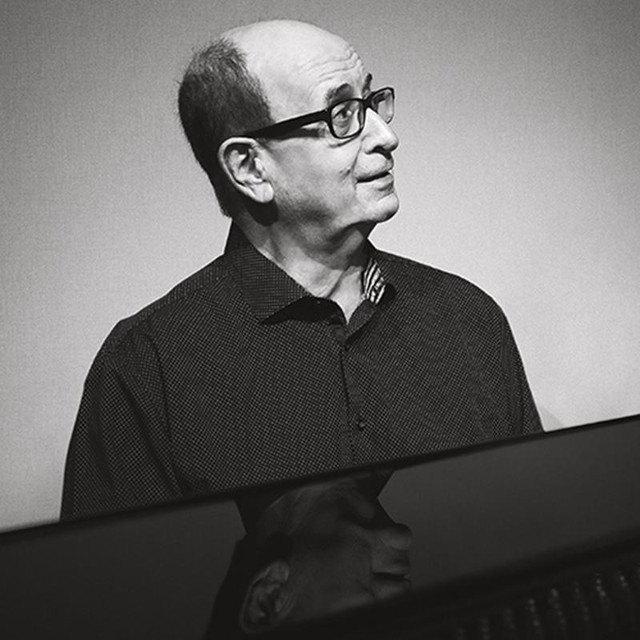
Antonio Adolfo
2006
·
1 album
Listen
2
/5
Genres
Neo-Psicodelia Brasileira
Neo-psicodelia brasileira (Brazilian neo-psychedelia) is a contemporary wave of Brazilian artists who revive and reinvent classic 1960s/70s psychedelic aesthetics through today’s indie-rock, dream-pop, shoegaze, and experimental production. Marked by shimmering guitars drenched in reverb and fuzz, hypnotic grooves that often nod to Brazilian rhythmic DNA (from Tropicália’s eclecticism to samba, baião, and maracatu pulses), and kaleidoscopic synth textures, the style pairs vintage tones with modern bedroom-studio craft. Portuguese lyrics frequently blend surreal imagery with everyday urban poetics, creating a sound that is at once nostalgic and forward-looking. This scene flourished around DIY venues, independent labels, and digital communities across Brazil, with a particularly strong footprint in cities like São Paulo, Goiânia, Belo Horizonte, and Recife. The result is a colorful, exploratory ecosystem that treats psychedelia not as pure retro revival but as a living vocabulary.
Discover
Listen
Bossa Nova
Bossa nova is a Brazilian popular music style that emerged in Rio de Janeiro in the late 1950s, blending samba’s syncopated pulse with the harmonic sophistication and understated cool of jazz. It is characterized by intimate, almost whispered vocals; a nylon‑string guitar playing the distinctive batida (a gently syncopated, two-beat accompaniment); subtle, brushed percussion; and lush, extended jazz harmonies. The mood is relaxed, refined, and full of saudade—a bittersweet sense of longing—often evoking images of Rio’s beaches, nightclubs, and urban modernity.
Discover
Listen
Brazilian Jazz
Brazilian jazz is the meeting point of Brazilian popular music and North American jazz, blending samba and bossa nova rhythms with jazz harmony, improvisation, and ensemble interaction. The style typically features syncopated Brazilian grooves (samba, bossa, partido‑alto) under extended jazz chord voicings and lyrical melodies. Acoustic guitar or piano often supplies a gently propulsive, off‑beat rhythmic bed, while bass and drums translate samba’s surdo and pandeiro patterns to the jazz rhythm section. Timbres range from intimate (nylon‑string guitar, brushed drum kit, flute) to expansive (full percussion batteries, horns, and electric keys). The overall feel can be both laid‑back and danceable—romantic yet harmonically sophisticated.
Discover
Listen
Latin Jazz
Latin jazz is a fusion of jazz harmony and improvisation with Afro–Latin American rhythms, song forms, and percussion. It combines the swing, bebop, and big-band traditions with clave-based grooves such as son, rumba, danzón, and mambo, and later integrates Brazilian feels like samba and bossa nova. Typical features include the use of the clave (2–3 or 3–2), piano montunos (guajeos), bass tumbao patterns, timbales cáscara, conga marcha, and call-and-response horn "mambo" figures. While the rhythm section locks into cyclical patterns, soloists improvise using the vocabulary of jazz, creating music that is both danceable and harmonically rich.
Discover
Listen
Maxixe
Maxixe is a lively Brazilian couple dance and the music that accompanies it, often nicknamed the "Brazilian tango." It crystallized in Rio de Janeiro in the late 19th century as a hybrid of Afro‑Brazilian and European dance musics. Musically, maxixe sits in duple meter (2/4) with buoyant, off‑beat accents and syncopation derived from lundu and the habanera/tresillo cell, but propelled with the forward motion of the European polka and schottische. The style flourished in urban salons, theater revues, street festivities, and early carnival, moving deftly between refined piano pieces (sometimes labeled "tango brasileiro") and small ensemble settings with guitars, cavaquinho, flute, and clarinet. As a social dance it was animated, close‑embrace, and playful, which lent it both popularity and controversy. Stylistically it bridged the 19th‑century salon world and the emerging 20th‑century sound of Rio, helping to seed choro, marchinha, and eventually samba.
Discover
Listen
Albums
2006
1
/5
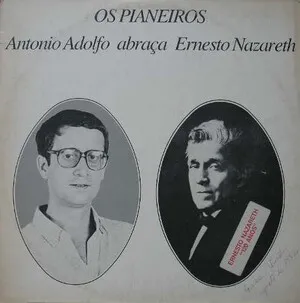
Os Pianeiros - Antonio Adolfo Abraça Ernesto Nazareth
Antonio Adolfo
Maxixe
Similar artists
4
/5
Antônio Carlos Jobim
Bossa Nova
Latin Jazz
Brazilian Jazz
4
/5
Stan Getz
Samba-Jazz
Bebop
Jazz
4
/5
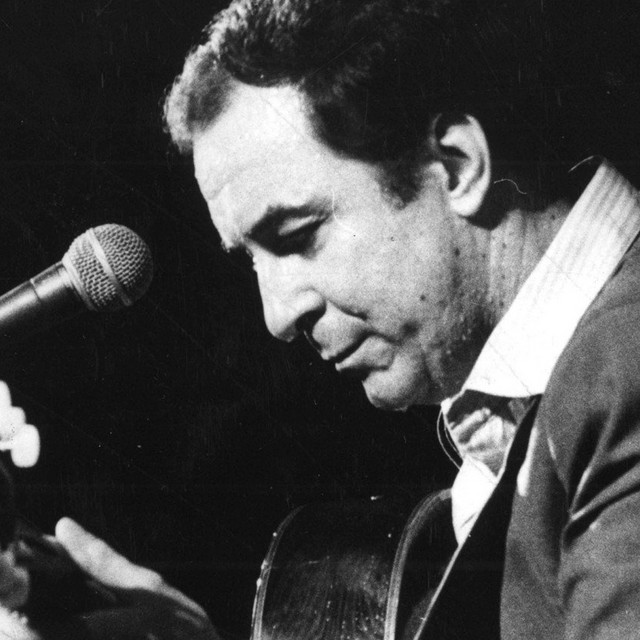
João Gilberto
Bossa Nova
Latin Jazz
Cool Jazz
4
/5
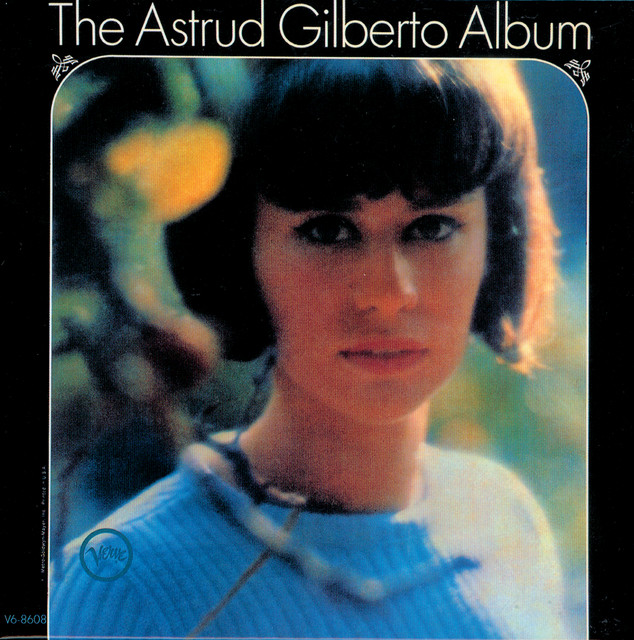
Astrud Gilberto
Latin Jazz
Bossa Nova
Adult Standards
3
/5
Luiz Bonfá
Samba-Jazz
Bossa Nova
Latin Jazz
3
/5
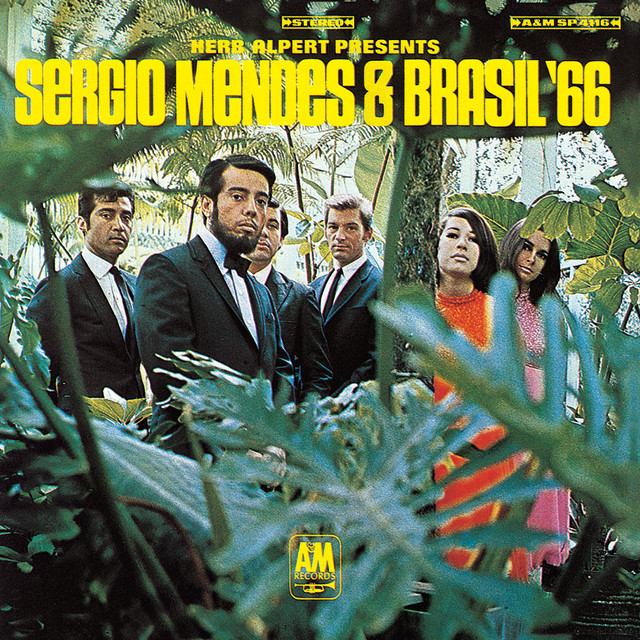
Sergio Mendes & Brasil '66
Bossa Nova
Latin Jazz
Lounge
3
/5
Ivan Lins
Mpb
Bossa Nova
Brazilian Jazz
3
/5
João Donato
Bossa Nova
Latin Jazz
Brazilian Jazz
3
/5
Eliane Elias
Bossa Nova
Brazilian Jazz
Jazz
3
/5
Walter Wanderley
Bossa Nova
Space Age Pop
Brazilian Jazz
Download our mobile app
Get the Melodigging app and start digging for new genres on the go
Download on the App Store
Get it on Google Play
© 2026 Melodigging
Give feedback
Legal
Melodding was created as a tribute to
Every Noise at Once
, which inspired us to help curious minds keep digging into music's ever-evolving genres.