Genres
Artists
Albums
Make Music
Sign in
Sign in
Artists
Euro House
Artists
Euro House
Ann Lee
1999
·
1 album
Listen
3
/5
Genres
Covertronica
Covertronica is a microgenre centered on electronically produced cover versions of well‑known songs. Artists retain the recognizability of the original melodies and hooks, but reimagine them with contemporary electronic palettes—glossy synths, side‑chained pads, drum machines, 808s, and modern pop/EDM production. The style thrives on clever reharmonization (e.g., minor/major flips), tempo shifts, and textural redesign, often translating rock, soul, or classic pop into sleek electropop/indietronica frameworks. Vocals are typically polished and upfront, with stacked harmonies, tight autotune as a color (when desired), and arrangement tricks such as filtered intros, half‑time drops, and breakdowns that mirror club and synth‑pop dynamics. Because the repertoire comes from existing songs, covertronica is as much about curatorial taste and arrangement craft as it is about sound design, making it a meeting point between DJ culture’s recontextualization and the singer‑producer era of the internet.
Discover
Listen
Musica Ponta-Grossense
Musica ponta-grossense is a locality-driven scene tag for artists linked to Ponta Grossa, a city in the Campos Gerais region of Paraná, Brazil. Rather than a single codified style, it captures a cluster of bands, singer‑songwriters, and producers whose sound reflects Southern Brazilian influences and the city’s university‑centric cultural life. Typical releases blend Brazilian indie/alternative rock and MPB songwriting with elements heard widely in Paraná and neighboring states: hints of sertanejo (both raiz and universitário), xote/vaneira dance feels, and occasional use of viola caipira, accordion, or folk percussion. Lyrics are predominantly in Portuguese and often reference everyday life, student culture, and regional imagery. Production ranges from DIY, rehearsal‑room grit to mid‑fi studio records; guitar‑centric textures, warm bass, straightforward backbeats, and melodic hooks are common. The tag functions as a geographic and community marker in streaming ecosystems, connecting local acts to Brazil’s broader indie and pop‑rock map.
Discover
Listen
Re:techno
Re:techno is a contemporary, internet-native tag within the techno ecosystem that signals a return to early‑2000s loop/hardgroove aesthetics, updated with modern punch, loudness, and precision. Typically in the 130–138 BPM range, tracks emphasize driving 4/4 kicks, rolling off‑beat bass patterns, swung hi‑hats, toms, shakers, and tribal/Latin‑coded percussive riffs. The harmony is sparse—often limited to filtered stabs or drones—so that rhythm and texture carry the dance floor. Long DJ‑friendly intros/outros, incremental filtering, quick fills, and micro‑arrangement changes give the music an endlessly propulsive feel. Rather than inventing a new sound from scratch, re:techno reframes an existing lineage (Swedish/Iberian loop techno, hardgroove, acid/tribal currents) for today’s clubs and digital marketplaces, delivering highly mixable “tool” tracks that are functional, funky, and relentlessly dance‑floor oriented.
Discover
Listen
Vixa
Vixa is a Polish club-oriented strain of mainstream EDM that blends the swagger of big room house with the bouncy drive of Melbourne bounce and Dutch house. In Poland, “vixa” is also slang for a wild party, and the genre reflects that ethos: hard-hitting kicks, bold supersaw or brass-stab leads, and simple, chantable hooks designed for maximum dancefloor impact. Typically sitting around 128–132 BPM, vixa favors dramatic snare-roll builds, pitch-rising risers, and explosive drops with offbeat bass patterns. DJ edits of pop and regional hits—reworked into high-energy drops—are common, helping the sound dominate Polish club nights and festival stages where it thrives on big, euphoric moments.
Discover
Listen
Dakke Dak
Dakke Dak (also spelled Dakkedak) is a Danish electronic dance music subgenre and slang term that emerged as a distinct cultural phenomenon in the 2010s. Musically, it is a high-energy fusion of various hard dance styles, primarily drawing from Psytrance, Hardstyle, Melbourne Bounce, and Hands Up techno. The name is an onomatopoeia mimicking the rapid, pounding "dak-dak-dak" sound of the heavy basslines and kick drums characteristic of the genre. It is strongly associated with provincial Danish youth culture, "tramper" (stomping) dance styles, car audio culture, and parties in rural or suburban areas. The lyrics are almost exclusively in Danish, often humorous, hedonistic, and centered around drinking, partying, and local identity.
Discover
Listen
Uk Jackin
UK jackin is a bass-forward strain of house and UK garage that emerged in the UK during the early 2010s. It blends the swing and shuffle of garage with the chunky, percussive drive of house, emphasizing rubbery low‑end riffs, organ stabs, and chopped R&B or soul vocals. Compared with classic Chicago jackin’ house, the UK variant is darker and punchier, drawing heavily from bassline and UK bass aesthetics. Tracks typically sit around 124–130 BPM, use swung drums and syncopated bass patterns, and are arranged with DJ‑friendly intros, tension‑building breakdowns, and emphatic drops.
Discover
Listen
Euro House
Euro house is a commercially oriented branch of house music that crystallized in continental Europe in the early 1990s. It blends the four-on-the-floor rhythms and club structure of house with the glossy melodies, big hooks, and pop accessibility of European chart music. Characterized by bright piano/organ stabs (often from the Korg M1), prominent diva-style vocals or chant-like hooks, punchy 909/808 drum programming, and uplifting chord progressions, euro house aimed squarely at radio and mainstream dancefloors. It often overlaps with early Eurodance, but tends to keep closer to straight house grooves and fewer rap verses. The style was driven largely by Italian, German, Belgian, and British producers and labels, delivering high-energy tracks that translated equally well to clubs, TV music shows, and pan-European charts.
Discover
Listen
Eurodance
Eurodance is a high-energy, club-oriented pop style that emerged in Europe in the early 1990s. It is characterized by a strong four-on-the-floor kick, catchy synth hooks, prominent piano riffs, and a blend of sung choruses (often female) with rap verses (often male). The style typically runs between 128–145 BPM, favors simple, anthemic chord progressions, and emphasizes uplifting, motivational, or romantic lyrics delivered in English for international appeal. Production commonly features staccato house pianos, bright saw-lead melodies, choir/strings pads, and tight drum-machine patterns with offbeat open hi-hats. The result is hook-driven dance-pop designed for maximum radio and dancefloor impact.
Discover
Listen
Electro
Electro is an early 1980s machine-funk style built around drum machines (especially the Roland TR-808), sequenced basslines, and a futuristic, robotic aesthetic. It emphasizes syncopated rhythms, sparse arrangements, and timbres drawn from analog and early digital synthesizers. Vocals, when present, are often delivered via vocoder or rap-style chants, reinforcing a sci‑fi, cyborg persona. Electro’s grooves powered breakdance culture, and its sonic palette—crisp 808 kicks, snappy snares, dry claps, cowbells, and squelchy bass—became foundational to later techno and bass music.
Discover
Listen
Synth-Pop
Synth-pop is a pop-oriented style that foregrounds the synthesizer as its primary instrument, often paired with drum machines and sequencers. It favors clean, melodic hooks, concise song structures, and a sleek, modernist sound that ranges from cool and minimal to lush and romantic. Emerging at the turn of the 1980s from the UK new wave and post-punk scenes, synth-pop leveraged affordable analog and then digital keyboards to bring electronic textures into the mainstream. Its sonic palette includes arpeggiated basslines, shimmering pads, bright leads, gated or machine-driven drums, and polished vocals that convey both futuristic detachment and emotional immediacy.
Discover
Listen
Pop
Pop is a broad, hook-driven style of popular music designed for wide appeal. It emphasizes memorable melodies, concise song structures, polished vocals, and production intended for radio, charts, and mass media. While pop continually absorbs elements from other styles, its core remains singable choruses, accessible harmonies, and rhythmic clarity. Typical forms include verse–pre-chorus–chorus, frequent use of bridges and middle-eights, and ear-catching intros and outros. Pop is not defined by a single instrumentation. It flexibly incorporates acoustic and electric instruments, drum machines, synthesizers, and increasingly digital production techniques, always in service of the song and the hook.
Discover
Listen
Show all 11 genres
Albums
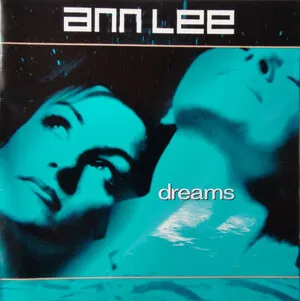
1999
3
/5
Dreams
Ann Lee
Euro House
Similar artists
4
/5
Corona
Diva House
Eurodance
Hip House
4
/5
La Bouche
Eurodance
Covertronica
Deep Big Room
4
/5
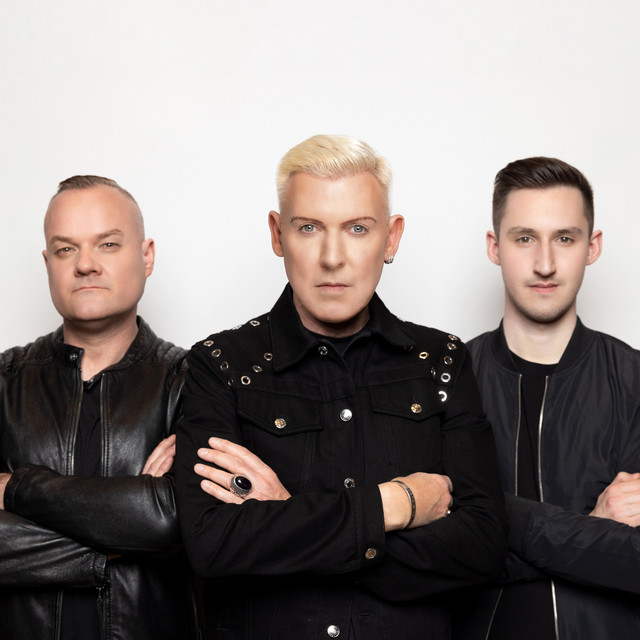
Scooter
Happy Hardcore
Hardstyle
Electronic
4
/5
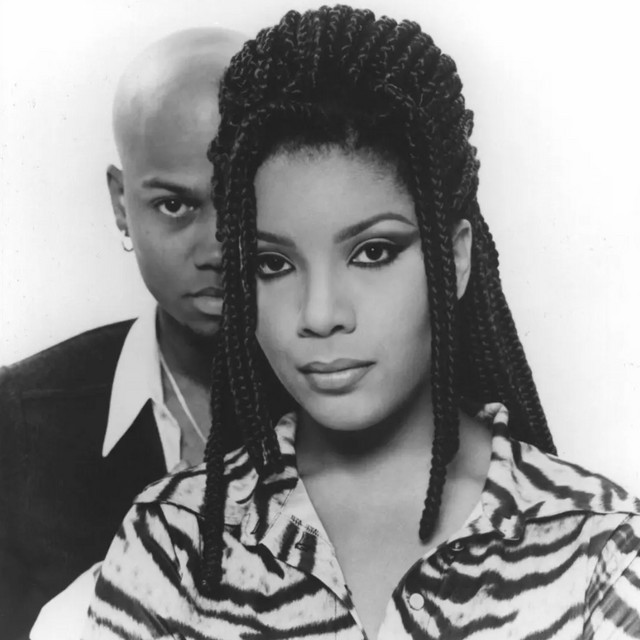
SNAP!
Diva House
Eurodance
Hip House
5
/5
David Guetta
Dance
Electronic
House
4
/5
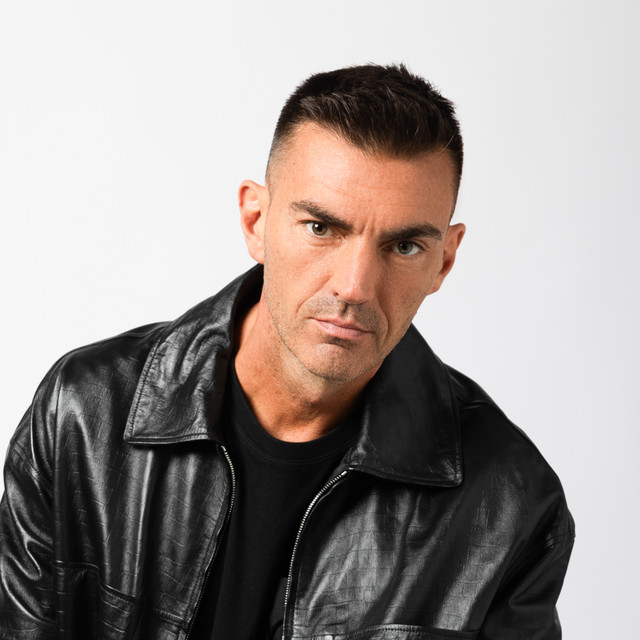
Gabry Ponte
Italo Dance
Eurodance
Slap House
4
/5
Robin S
Diva House
Covertronica
Electronic
4
/5
A Touch Of Class
Covertronica
Deep Deep House
Eurodance
5
/5
Daddy Yankee
Reggaeton
Latin
Latin Hip Hop
5
/5
Don Omar
Reggaeton
Latin Hip Hop
Electro Latino
Download our mobile app
Get the Melodigging app and start digging for new genres on the go
Download on the App Store
Get it on Google Play
© 2026 Melodigging
Give feedback
Legal
Melodding was created as a tribute to
Every Noise at Once
, which inspired us to help curious minds keep digging into music's ever-evolving genres.