Genres
Artists
Albums
Make Music
Sign in
Sign in
Artists
Folk Rock
Artists
Folk Rock
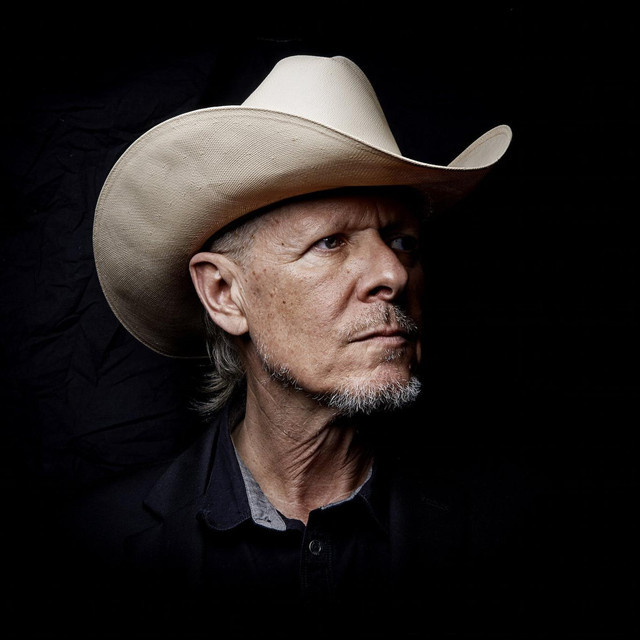
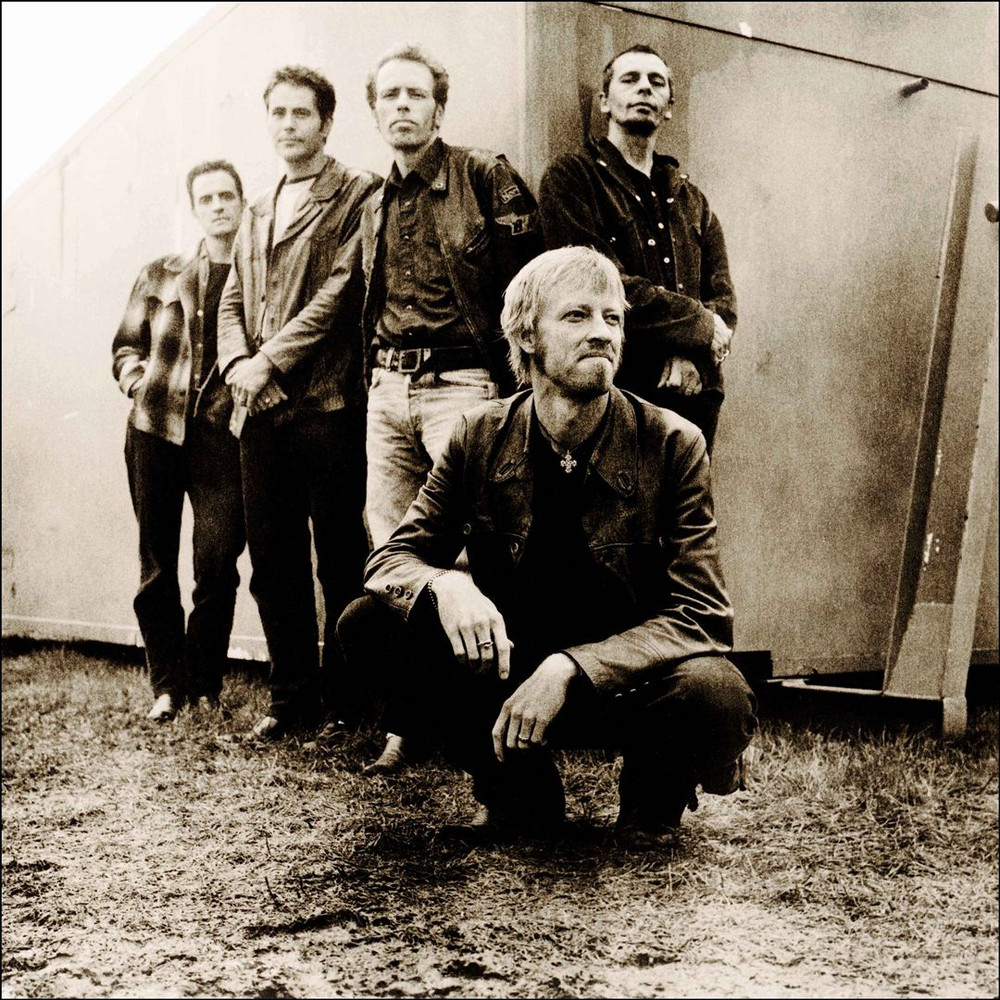
Angels Of Light
1999–2007
·
4 albums
Listen
2
/5
Genres
New Weird America
New Weird America (NWA) is a loosely defined early‑2000s U.S. movement that revived and mutated psychedelic and folk traditions through a DIY, experimental lens. It blends psych folk, free folk, drone, and outsider Americana with lo‑fi recording aesthetics, extended improvisation, and a surreal, pastoral sensibility. Rather than a strict genre, NWA describes a network of artists, collectives, and small labels who favored open tunings and acoustic timbres alongside noise, field recordings, tape hiss, and communal performance practices. The results range from intimate, childlike songs to sprawling trance‑drone ritual, all united by a fascination with the “old, weird” folk imaginary filtered through contemporary indie and experimental cultures.
Discover
Listen
Freak Folk
Freak folk is a 2000s revival and mutation of psychedelic and traditional folk that embraces eccentric vocals, surreal lyrics, and homespun, experimental arrangements. It blends fingerpicked acoustics and hand percussion with harps, harmoniums, toy instruments, and found sounds, often recorded in lo‑fi, intimate settings. Aesthetically, it is earthy yet otherworldly: pastoral melodies, drones, and modal harmonies coexist with whimsical, childlike timbres and mystical imagery. The scene is closely associated with the New Weird America movement, valuing communal creativity, DIY production, and a porous boundary between folk tradition and avant‑garde exploration.
Discover
Listen
Alternative Country
Alternative country (often shortened to alt-country) is a roots-oriented offshoot of country that blends the storytelling, twang, and acoustic instrumentation of classic country with the attitude, DIY ethos, and sonic grit of indie rock and punk. It arose as a reaction to the glossy production and commercial polish of mainstream Nashville in the late 1980s and 1990s. Hallmarks include weathered vocals, prominent acoustic and electric guitars (often with pedal steel), unfussy rhythm sections, and lyrics that foreground realism, heartbreak, working-class lives, and wandering souls. Production tends to be raw and unvarnished, favoring live-in-the-room feel over studio sheen. The result is music that sits comfortably between country, folk, and rock while retaining the emotional directness of traditional country.
Discover
Listen
Gothic Country
Gothic country (often called country noir or gothic Americana) blends traditional country and folk instrumentation with the brooding atmospheres, moral ambiguity, and literary imagery of Southern Gothic. It favors minor keys, slow to mid-tempos, and vivid storytelling about sin, redemption, murder, faith, and decay. Sonically, it sets banjo, fiddle, acoustic and tremolo-laden electric guitar, upright bass, pump organ/harmonium, and sparse percussion against dusky reverbs and droning pedals. Vocals tend to be intimate or preacherly, carrying ballad traditions into darker, hymn-like territories. The result is an eerie, pastoral sound that feels simultaneously old and haunted, rustic and cinematic.
Discover
Listen
Drone Metal
Drone metal (often called drone doom) is an extreme, minimalist offshoot of doom metal that centers on sustained tones, monumental volume, and glacial tempos. Rather than relying on riffs or conventional grooves, it foregrounds long, vibrating chords, amplifier feedback, and the physical presence of sound itself. Its textures are typically cavernous and monochromatic, with guitars tuned very low, notes held for extended durations, and percussion either sparse or entirely absent. Vocals—if present—range from ritualistic chants to guttural growls or distant murmurs, often treated as another layer of texture rather than a narrative lead. The result is immersive and meditative, yet crushing: a music of weight, space, and resonance that emphasizes timbre and decay over melody and rhythm.
Discover
Listen
Slowcore
Slowcore is a minimalist strain of indie rock defined by extremely slow tempos, hushed dynamics, and sparse arrangements. It emphasizes space, sustain, and emotional restraint over volume or virtuosity, often using clean guitars, soft drumming, and intimate vocals to create a glacial, contemplative atmosphere. Lyrically, it gravitates toward introspection, memory, and everyday melancholy, with melodies that unfold patiently and harmonies that remain simple and diatonic. The result is music that feels heavy with quiet, where silence and decay are as expressive as the notes themselves.
Discover
Listen
Neofolk
Neofolk is a post-industrial offshoot that blends traditional acoustic folk instrumentation with the austere atmospheres, ritual rhythms, and poetic sensibilities of the industrial and post-punk underground. It often features intimate acoustic guitars, baritone or chant-like vocals, martial or processional percussion, drones, and sparse strings or harmonium. Thematically, neofolk is preoccupied with memory, myth, and modernity—drawing on pagan or pre-Christian motifs, Romantic poetry, war-time remembrance, esoteric philosophy, and nature mysticism. The sound tends to be minimal and deliberate, favoring modal harmony and restrained dynamics that sharpen lyrical focus and mood. While sometimes called “apocalyptic folk,” the label describes the tone rather than a single ideology, as artists span a wide range of personal and political stances.
Discover
Listen
Alternative Rock
Alternative rock is a broad umbrella for guitar-based rock that emerged from the independent and college-radio scenes as a counterpoint to mainstream, commercial rock. It blends the energy and ethos of punk with the textural and songwriting experiments of post-punk, new wave, jangle pop, and noise rock, often foregrounding introspective or socially aware lyrics. Across its many strains—from the melodic minimalism of college rock to the loud-quiet-loud dynamics of grunge and the artful experimentation of Radiohead-era modernism—alternative rock prioritizes authenticity, sonic individuality, and a do-it-yourself approach. Its sound ranges from chiming, chorus-laden clean guitars to abrasive distortion and feedback, supported by straightforward rock rhythms or off-kilter grooves, and production that can be either raw and live-sounding or polished yet unconventional.
Discover
Listen
Folk Rock
Folk rock is a fusion genre that blends the narrative lyricism, modal melodies, and acoustic timbres of traditional folk with the backbeat, amplification, and song structures of rock. It typically pairs acoustic or traditional instruments (acoustic guitar, mandolin, fiddle) with a rock rhythm section (electric guitar, bass, drums), often featuring chiming 12‑string guitar textures, close vocal harmonies, and socially conscious or storytelling lyrics. The result ranges from intimate, reflective ballads with a steady backbeat to more anthemic, roots‑driven rock. Emerging in the mid‑1960s through artists such as Bob Dylan and The Byrds, folk rock became a gateway for traditional and roots materials to enter mainstream popular music, and it seeded later movements from country rock and Americana to jangle pop and modern indie folk.
Discover
Listen
Avant-Folk
Avant-folk is a strand of folk music that applies avant-garde, experimental, and modernist techniques to traditional song forms, instrumental vocabularies, and storytelling. It retains acoustic timbres and folk modalities while embracing unusual tunings, extended techniques, drones, free improvisation, tape collage, and nonstandard song structures. The result is music that sounds rooted and ancient yet exploratory and boundary-pushing, often intimate in texture but radical in form.
Discover
Listen
Experimental Rock
Experimental rock is a broad, exploratory branch of rock music that prioritizes innovation over convention. It stretches rock’s core instrumentation and song forms through unusual timbres, extended techniques, nonstandard tunings, chance procedures, and studio-as-instrument production. Drawing on avant-garde composition, free jazz, minimalism, and electronic/tape music, experimental rock often rejects verse–chorus structures in favor of drones, suites, collage, and improvisation. It embraces dissonance and noise as expressive tools, employs odd or fluid meters, and incorporates non-rock instruments, found sounds, and unconventional recording methods. The result is a lineage of music that treats rock not as a fixed style but as a laboratory for new sound worlds.
Discover
Listen
Folk
Folk is a song-centered acoustic tradition rooted in community storytelling, everyday life, and social history. It emphasizes clear melodies, simple harmonies, and lyrics that foreground narrative, protest, and personal testimony. As a modern recorded genre, folk coalesced in the early-to-mid 20th century in the United States out of older ballad, work song, and rural dance traditions. It typically features acoustic instruments (guitar, banjo, fiddle, mandolin, harmonica), strophic song forms, and participatory singing (choruses, call-and-response).
Discover
Listen
Country
Country is a roots-based popular music from the rural American South that blends Anglo-Celtic ballad traditions with African American blues, gospel, and string-band dance music. It is characterized by narrative songwriting, plainspoken vocals with regional twang, and a palette of acoustic and electric instruments such as acoustic guitar, fiddle, banjo, pedal steel, and telecaster guitar. Rhythmically it favors two-step feels, train beats, shuffles, and waltzes, while harmony is largely diatonic (I–IV–V) with occasional country chromaticism and secondary dominants. Across a century, country has evolved through substyles like honky-tonk, the Nashville and Bakersfield sounds, outlaw country, neotraditionalist revivals, pop-country, and country-rap hybrids, but it consistently prioritizes storytelling about everyday life, love, work, faith, place, and identity.
Discover
Listen
Northern American Music
Northern American music is an umbrella term for the diverse, syncretic musical traditions that developed across the United States and Canada. It emerged from the interaction of Indigenous musical practices, European settler and immigrant folk and sacred music, and West and Central African rhythmic and vocal traditions brought through the African diaspora. Rather than a single style, it is a landscape of practices—spirituals, work songs, fiddle tunes, shape-note hymnody, blues, jazz, country, gospel, rock and roll, R&B, and hip hop—that share core traits: narrative songwriting, emphasis on groove or backbeat, call-and-response, and a strong culture of performance and improvisation. This plural, hybrid character is the defining feature of Northern American music.
Discover
Listen
Show all 14 genres
Albums
2007
1
/5
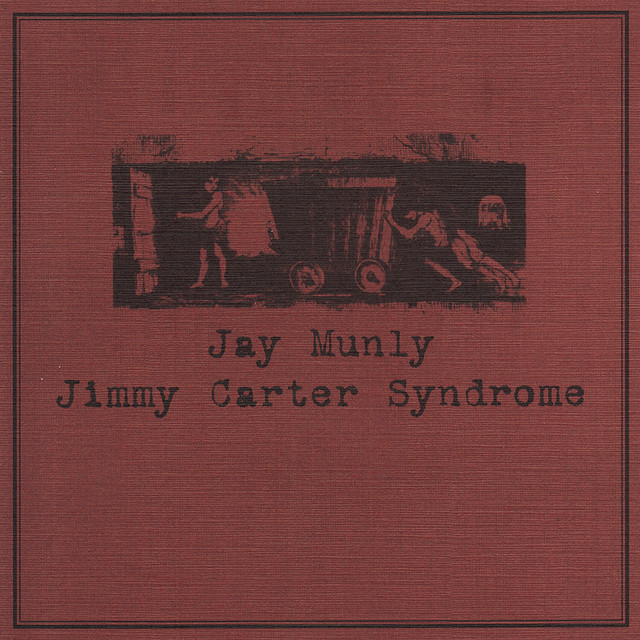
We Are Him
Angels of Light
Gothic Country
New Weird America
Alternative Rock
2005
1
/5
Akron/Family & Angels of Light
Angels of Light / Akron/Family
Freak Folk
Folk
Folk Rock
2001
2
/5
How I Loved You
The Angels of Light
Gothic Country
Alternative Country
Country
1999
2
/5
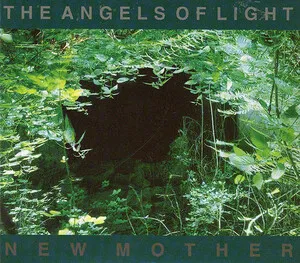
New Mother
The Angels of Light
Gothic Country
New Weird America
Neofolk
Similar artists
1
/5
Various Artists
Afro-Funk
Alternative Rock
Ambient
3
/5
16 Horsepower
Gothic Country
Alternative Country
Alternative Rock
3
/5
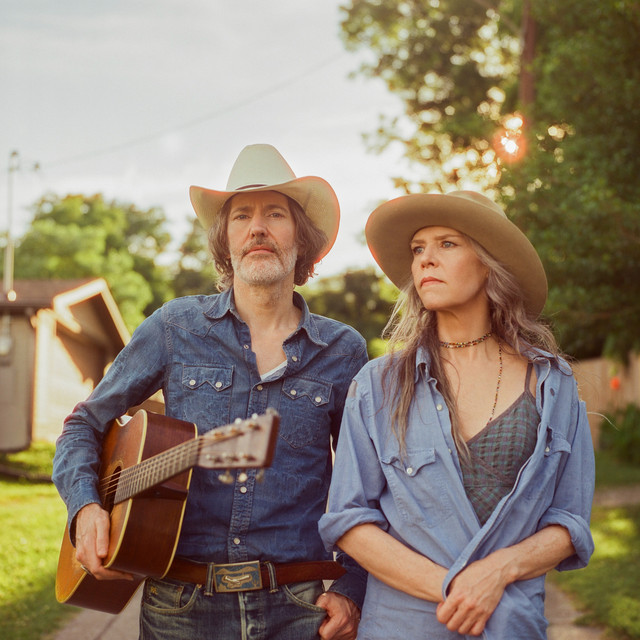
Gillian Welch
Americana
Folk
Country Folk
2
/5
Bonnie Prince Billy
Alternative Country
Louisville Sound
Rock
1
/5
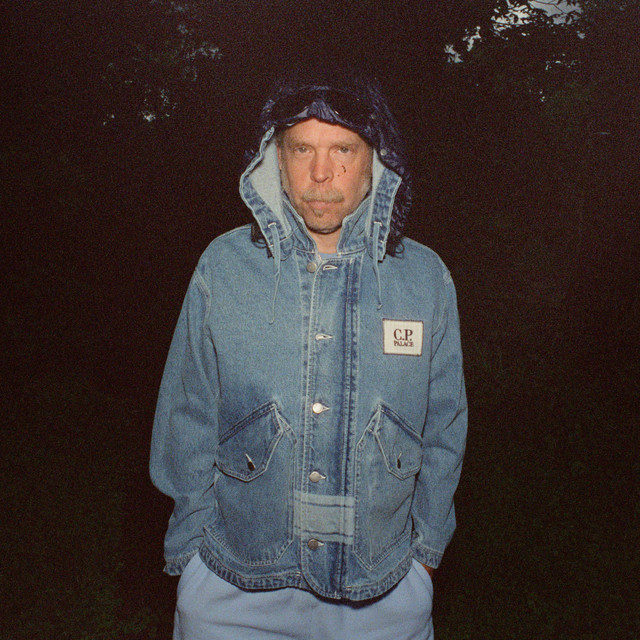
Munly J Munly
Alternative Country
Americana
Anti-Folk
4
/5
Emmylou Harris
Country Rock
Folk
Country
2
/5
Żywiołak
Slavic Folk Metal
Folk
Folk Metal
5
/5
Zach Bryan
Country
Red Dirt
Singer-Songwriter
3
/5
Amigo the Devil
Anti-Folk
Folk Punk
Gothic Country
2
/5
Falkenbach
Folk Metal
Black Metal
Viking Metal
Download our mobile app
Get the Melodigging app and start digging for new genres on the go
Download on the App Store
Get it on Google Play
© 2026 Melodigging
Give feedback
Legal
Melodding was created as a tribute to
Every Noise at Once
, which inspired us to help curious minds keep digging into music's ever-evolving genres.