Genres
Artists
Albums
Make Music
Sign in
Sign in
Artists
Ambient Jazz
Artists
Ambient Jazz
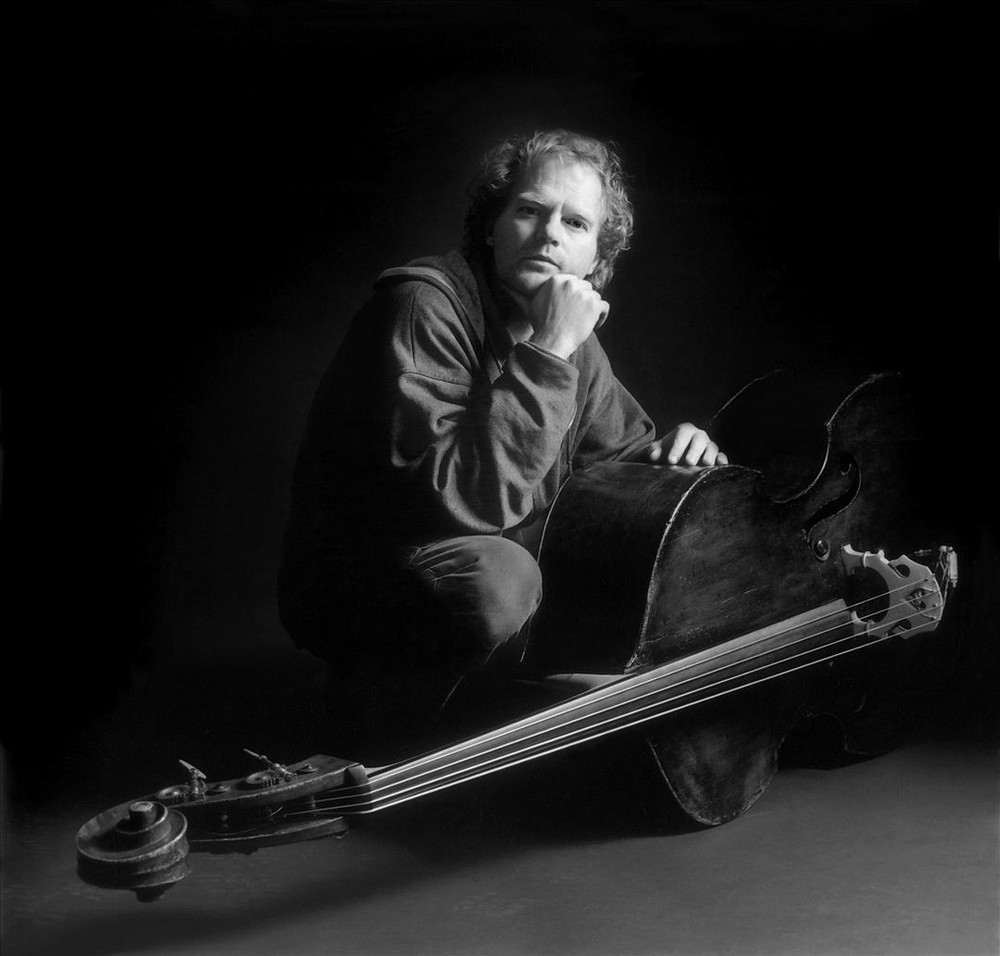
Anders Jormin
2018
·
1 album
Listen
2
/5
Genres
Ambient Jazz
Ambient jazz is a hybrid style that merges the improvisational language and harmonic color of jazz with the spacious, texture-focused aesthetics of ambient music. It typically emphasizes atmosphere over virtuoso display, using slow tempos, long sustains, soft dynamics, and studio treatments (reverb, delay, tape/loop techniques) to create a floating sound field. Performances often feel meditative and cinematic, with jazz elements appearing as gentle melodic fragments, sparse solos, or extended chords rather than fast swing or dense bebop lines.
Discover
Listen
Free Jazz
Free jazz is a radical branch of jazz that rejects fixed chord progressions, strict meter, and conventional song forms in favor of collective improvisation, textural exploration, and spontaneous interaction. Musicians prioritize timbre, dynamics, and gesture as much as pitch and harmony, often using extended techniques (multiphonics, overblowing, prepared piano) and unconventional sounds. While rooted in the blues and earlier jazz vocabularies, free jazz frees improvisers from pre-set harmonic cycles, allowing lines to unfold over tonal centers, shifting modes, drones, or complete atonality. Rhythm sections may float without a steady pulse, or drive with layered polyrhythms and “energy playing.” The result ranges from contemplative soundscapes to cathartic, high-intensity eruptions. Culturally, the genre intersected with the civil rights era and broader avant-garde movements, emphasizing autonomy, community, and new possibilities for musical expression.
Discover
Listen
Jazz Flute
Jazz flute is a stream of modern jazz in which the flute (and its family variants) serves as a primary improvising voice. Rather than defining a harmonic language of its own, it adapts core jazz vocabularies—swing, bebop, hard bop, Latin jazz, and fusion—to the idiom of a breath-driven, highly agile woodwind. Its sound world ranges from airy, lyrical tones and delicate vibrato to percussive key-clicks, overblown harmonics, growls, flutter-tongue, multiphonics, and breath effects. Players often double on alto or bass flute for darker timbres, and in amplified settings use clip‑on microphones, light compression, and spatial effects to match the projection of saxophones and electric instruments. Stylistically, jazz flute thrives across settings: small-group hard bop, Afro‑Cuban and Brazilian grooves, soul‑jazz and jazz‑funk, post‑bop/modal ensembles, and contemporary avant‑garde and chamber‑jazz hybrids.
Discover
Listen
Jazz Double Bass
Jazz double bass refers to the role, techniques, and repertoire of the upright bass (double bass/contrabass) in jazz settings, from traditional New Orleans styles to contemporary avant‑garde and fusion. Characterized by a warm, percussive pizzicato tone, the instrument anchors harmony and time through walking bass lines, two‑feel patterns, and stylistic articulations such as swing, bop, and Latin grooves. Early players favored gut strings and acoustic projection; from the mid‑20th century onward, steel strings, pickups, and amplification broadened its dynamic range and soloistic possibilities. A rich arco (bowed) tradition—especially in ballads, modern jazz, and free improvisation—complements the dominant pizzicato practice. Jazz double bass encompasses foundational techniques (quarter‑note walking, chromatic approaches, voice‑leading through changes), idiomatic gestures (slap, ghost notes, rakes, glissandi, harmonics), and diverse ensemble roles (big band section, small‑group interplay, and solo feature). It is both the rhythmic engine with the drums and a lyrical voice capable of melodic solos and countermelodies.
Discover
Listen
Jazz
Jazz is an improvisation-centered music tradition that emerged from African American communities in the early 20th century. It blends blues feeling, ragtime syncopation, European harmonic practice, and brass band instrumentation into a flexible, conversational art. Defining features include swing rhythm (a triplet-based pulse), call-and-response phrasing, blue notes, and extended harmonies built on 7ths, 9ths, 11ths, and 13ths. Jazz is as much a way of making music—spontaneous interaction, variation, and personal sound—as it is a set of forms and tunes. Across its history, jazz has continually hybridized, from New Orleans ensembles and big-band swing to bebop, cool and hard bop, modal and free jazz, fusion, and contemporary cross-genre experiments. Its influence permeates global popular and art music.
Discover
Listen
Albums
2018
Tantum
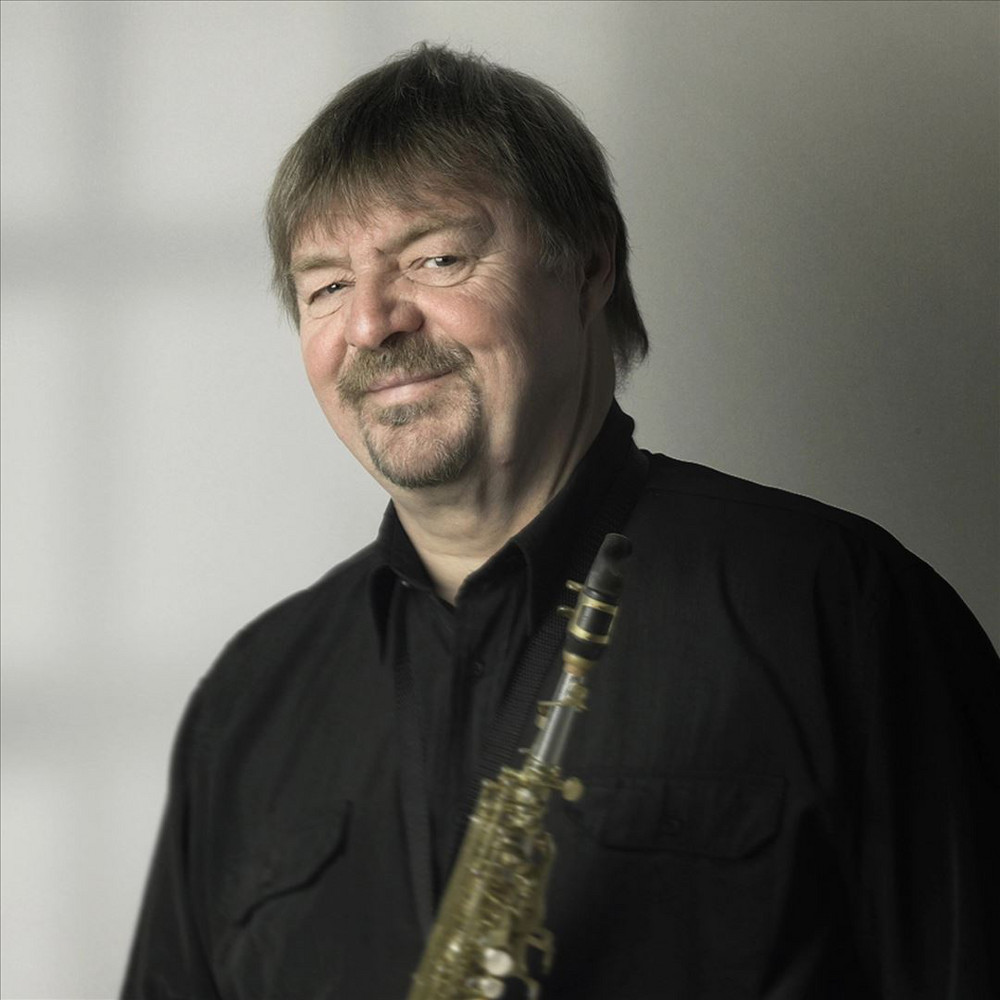
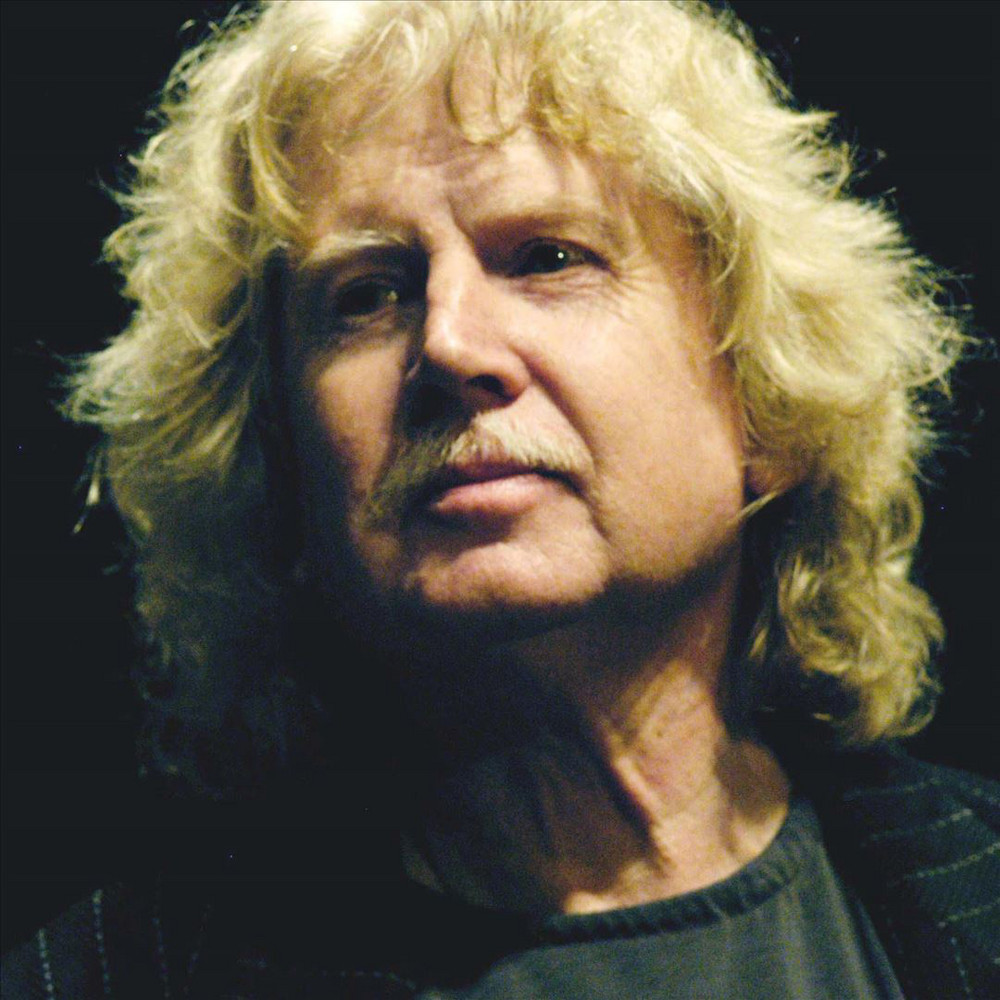
Jonas Simonson, Anders Jormin, Karin Nelson
Jazz Double Bass
Jazz Flute
Similar artists
2
/5
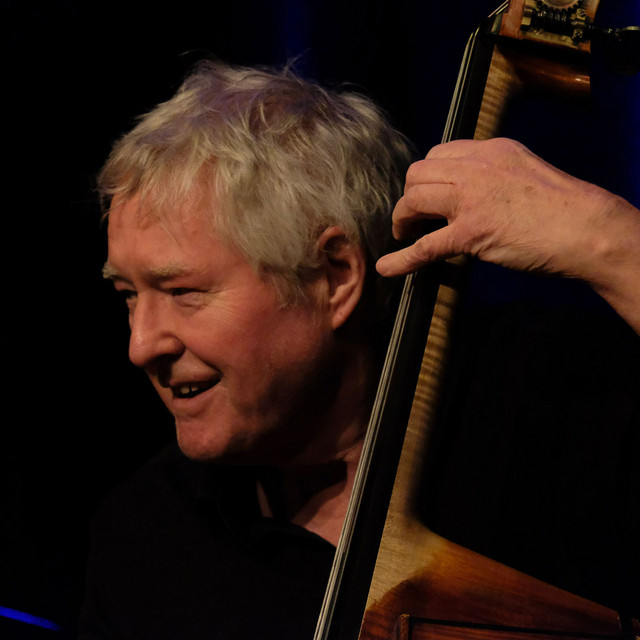
Arild Andersen
Ambient Jazz
Free Jazz
Jazz Double Bass
3
/5
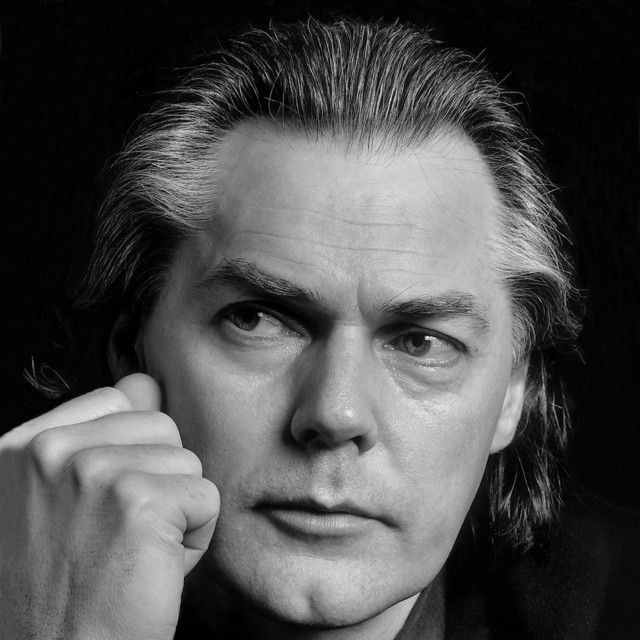
Jan Garbarek
Jazz
Ambient Jazz
Free Jazz
3
/5
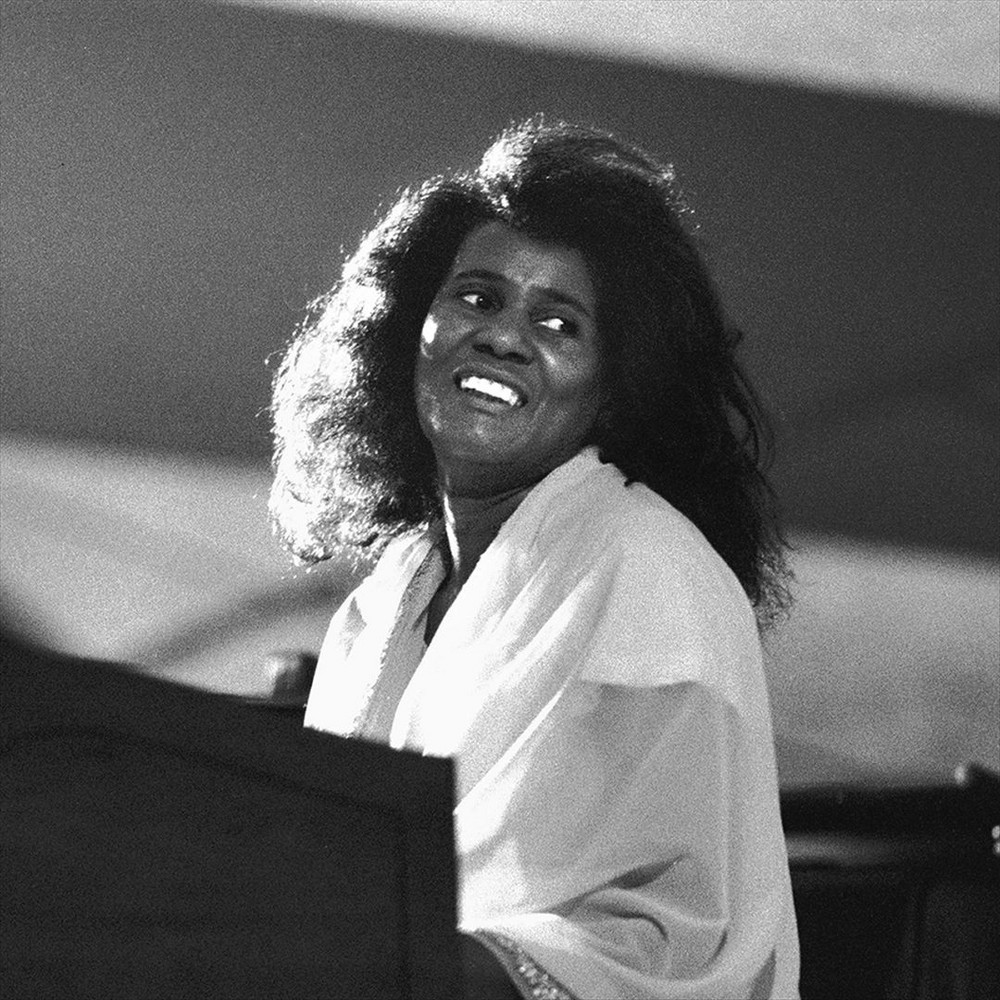
Alice Coltrane
Jazz
Free Jazz
Avant-Garde Jazz
2
/5
Steve Swallow
Ambient Jazz
Cool Jazz
Free Jazz
2
/5
John Surman
Ecm Style Jazz
Free Jazz
Ambient Jazz
2
/5
Eberhard Weber
Ecm Style Jazz
Jazz Fusion
Chamber Jazz
2
/5
Petter Eldh
Ambient Jazz
Experimental Jazz
Free Jazz
2
/5
Bobo Stenson
Ambient Jazz
Free Jazz
Jazz
2
/5
Ben Monder
Ambient Jazz
Experimental Jazz
Free Jazz
2
/5
Miroslav Vitous
Ambient Jazz
Free Jazz
Jazz
Download our mobile app
Get the Melodigging app and start digging for new genres on the go
Download on the App Store
Get it on Google Play
© 2026 Melodigging
Give feedback
Legal
Melodding was created as a tribute to
Every Noise at Once
, which inspired us to help curious minds keep digging into music's ever-evolving genres.