Genres
Artists
Albums
Make Music
Sign in
Sign in
Artists
Traditional Folk
Artists
Traditional Folk
Alan Maralung
1993
·
1 album
Listen
1
/5
Genres
Traditional Music
Traditional music is an umbrella term used in the mid–20th century by folklorists and ethnomusicologists to denote community-rooted, orally transmitted repertoires tied to social ritual, work, celebration, and storytelling. Unlike commercial pop or art-music traditions, traditional music is typically learned by ear, varies regionally, and evolves slowly through communal participation. It often features modal melodies, cyclic rhythms, heterophony or unison singing, and indigenous instruments whose timbres are integral to local identity. Lyrics tend to preserve language, history, and collective memory. While the musical practices themselves can be ancient, the phrase “traditional music” emerged to replace earlier, narrower or colonial framings like “folk” or “ethnic” music, foregrounding continuity, locality, and living practice rather than exoticism.
Discover
Listen
Traditional Folk
Traditional folk is a broad umbrella for orally transmitted songs and dance tunes that circulated in rural and working-class communities before the age of mass recording. Repertoires include narrative ballads, laments, love songs, work songs, lullabies, and instrumental dance sets such as reels, jigs, hornpipes, and marches. Stylistically, traditional folk favors strophic forms, pentatonic or modal melodies (often Dorian and Mixolydian), limited harmonic movement, and strong, memorable tunes designed for communal singing and dancing. Performances range from unaccompanied solo voice to small ensembles built around fiddle, flute/whistle, pipes, concertina/accordion, guitar, banjo, and frame drum. Ornamentation, variation by verse, and flexible tempo are integral, reflecting an oral tradition where songs live through continual reinterpretation. Although it is pan‑regional, the modern idea of “traditional folk” coalesced in the 19th century through collectors and revivalists who documented vernacular music and framed it as cultural heritage.
Discover
Listen
Wangga
Wangga is an Aboriginal Australian genre of traditional music and ceremony associated with Northern Territory and north‑western Australia. It is especially linked to the Daly region and the country stretching from the South Alligator River southeast towards Ngukurr, south to Katherine, and west into the Kimberley. Performances typically feature a solo songman with a chorus, wooden clapsticks keeping a steady pulse, and a didgeridoo drone supporting the vocal line. Songs are closely connected to place, ancestors, and spiritual beings, and many are said to be received in dreams by recognized songmen. Musically, wangga is built on a firm stick‑beat, an unbroken didgeridoo drone, and a lead melody that moves between sustained pitches and ornamented, often descending contours. Lyrics may include language specific to local groups, personal names, totems, and vocables; the music accompanies dance and body‑painting in ceremonial contexts such as mortuary rites and public festivals.
Discover
Listen
Indigenous Australian Traditional Music
Indigenous Australian traditional music encompasses the song, dance, and instrumental practices of Aboriginal and Torres Strait Islander peoples that predate colonisation by tens of thousands of years. At its core are vocal song cycles connected to Country and kinship, often performed with steady percussive accompaniment from clapsticks (bilma) and, in parts of northern Australia, the didjeridu/yidaki drone. Regional styles vary widely: Yolngu manikay (Arnhem Land) feature long, cyclical song series; wangga and kun-borrk (Top End) blend distinctive melodic shapes with clapstick patterns; and Torres Strait Islander traditions centre on harmony singing, conch shell and drum (warup) rhythms, and elaborately choreographed dances. These musics are living repositories of law, history, and ecology. They are performed in ceremonies for initiation, funerals, healing, and seasonal events, as well as in public community gatherings and welcome ceremonies. Access and performance rights are governed by custodianship, with certain songs and contexts restricted.
Discover
Listen
Albums
1993
1
/5
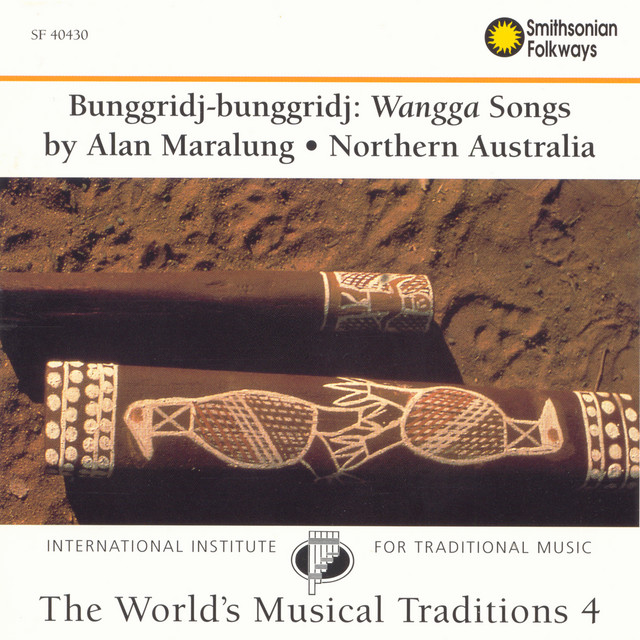
Bunggridj-bunggridj: Wangga Songs, Northern Australia
Alan Maralung
Wangga
Indigenous Australian Traditional Music
Similar artists
3
/5
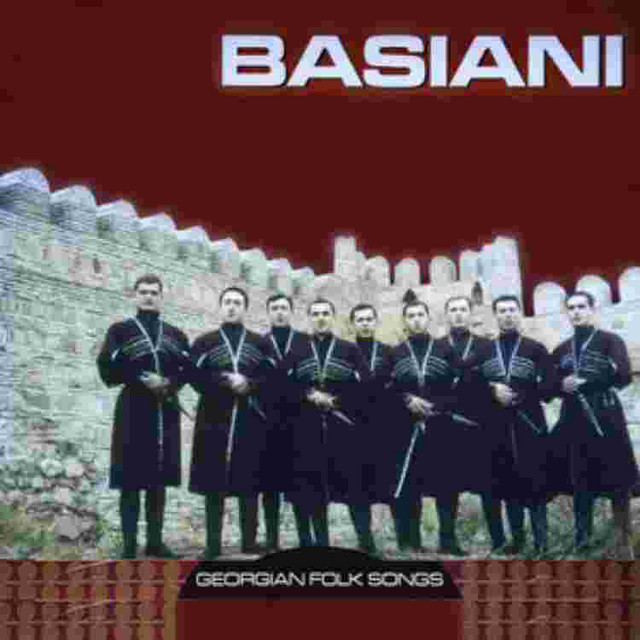
Basiani Ensemble
Georgian Folk Music
Traditional Folk
Traditional Music
3
/5
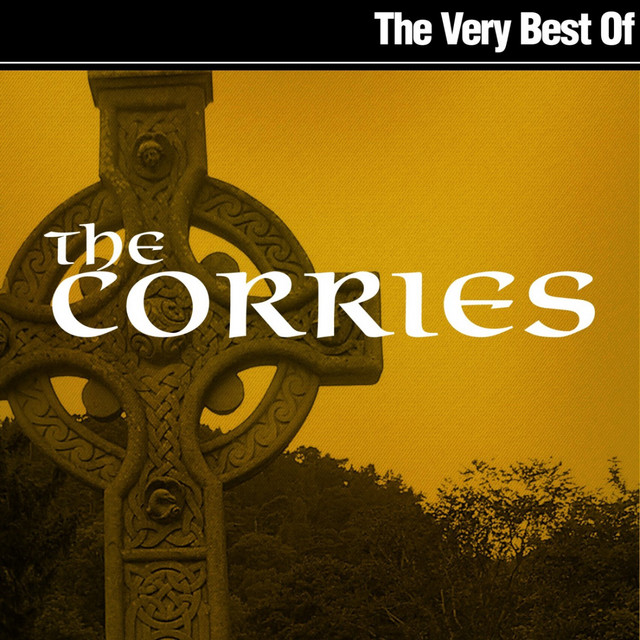
The Corries
Scots Song
Scottish Folk Revival
Celtic
2
/5
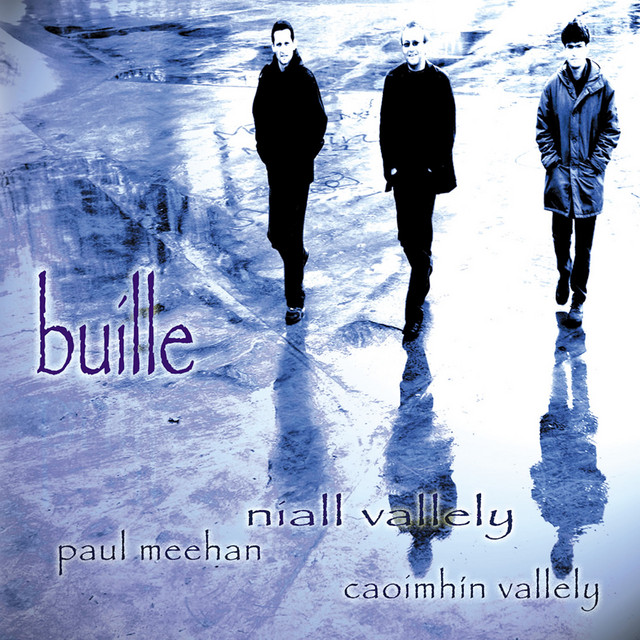
Paul Meehan
Celtic
Traditional Folk
Traditional Music
2
/5
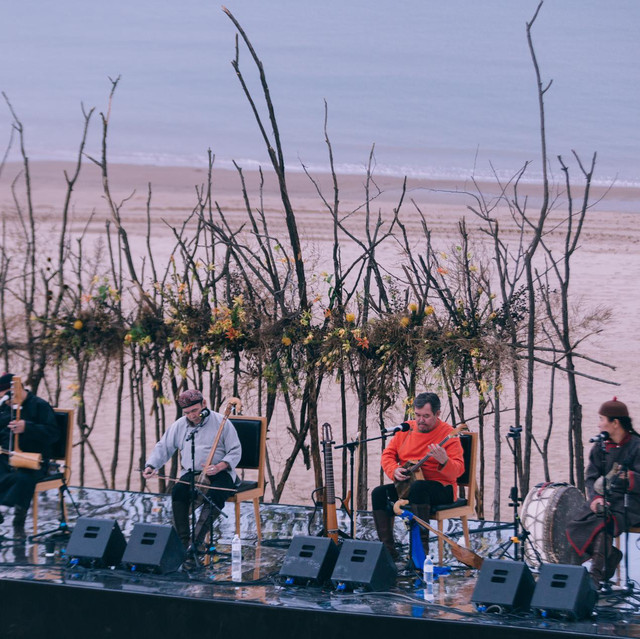
Huun-Huur-Tu
Central Asian Throat Singing
North Asian Music
Tuvan Throat Singing
2
/5
Solas
Celtic
Folk
Traditional Folk
2
/5
Breabach
Celtic
Celtic Rock
Folk
2
/5
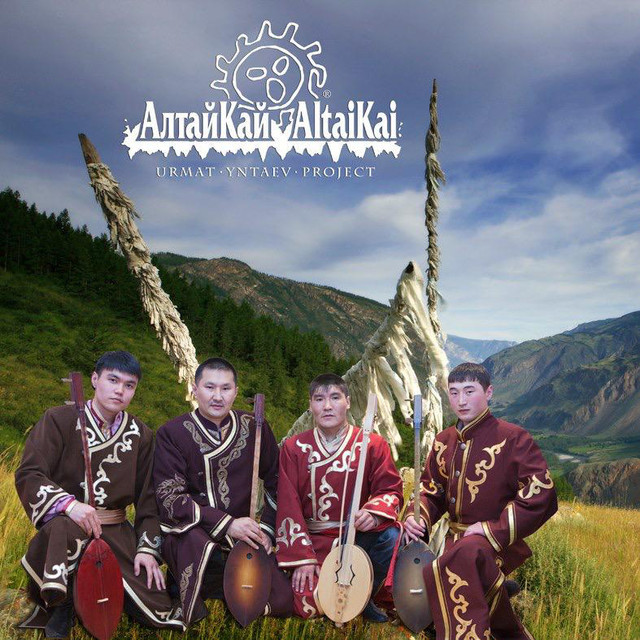
Altai Kai
Altai Music
Kai
Traditional Folk
2
/5
Altan
Celtic
Celtic Rock
Folk
2
/5
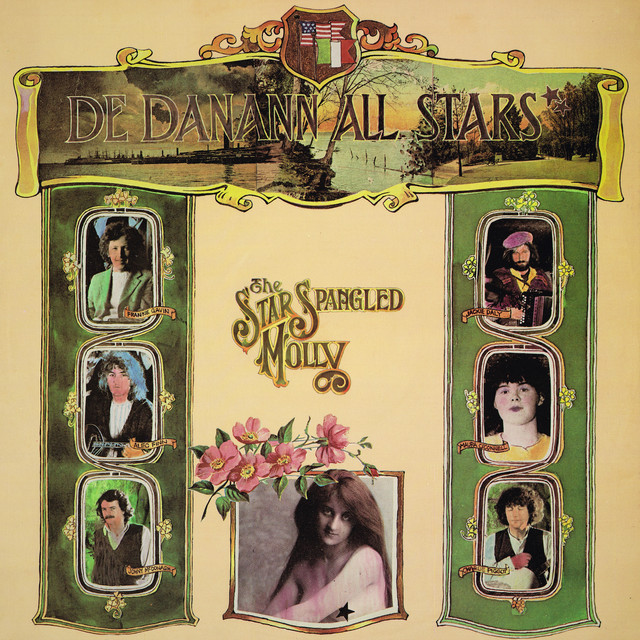
De Dannan
Celtic
Traditional Folk
Traditional Music
2
/5
Danú
Celtic
Traditional Folk
Traditional Music
Download our mobile app
Get the Melodigging app and start digging for new genres on the go
Download on the App Store
Get it on Google Play
© 2026 Melodigging
Give feedback
Legal
Melodding was created as a tribute to
Every Noise at Once
, which inspired us to help curious minds keep digging into music's ever-evolving genres.