Your digging level
Description
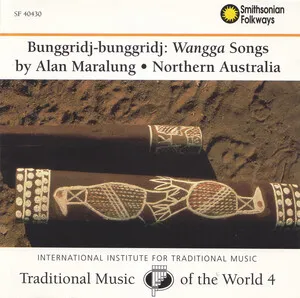
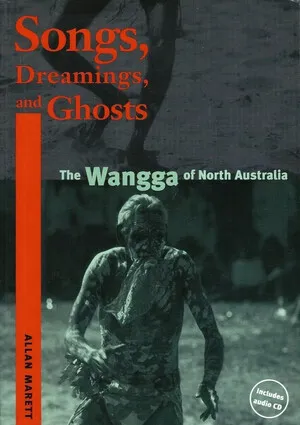
Wangga is an Aboriginal Australian genre of traditional music and ceremony associated with Northern Territory and north‑western Australia. It is especially linked to the Daly region and the country stretching from the South Alligator River southeast towards Ngukurr, south to Katherine, and west into the Kimberley.
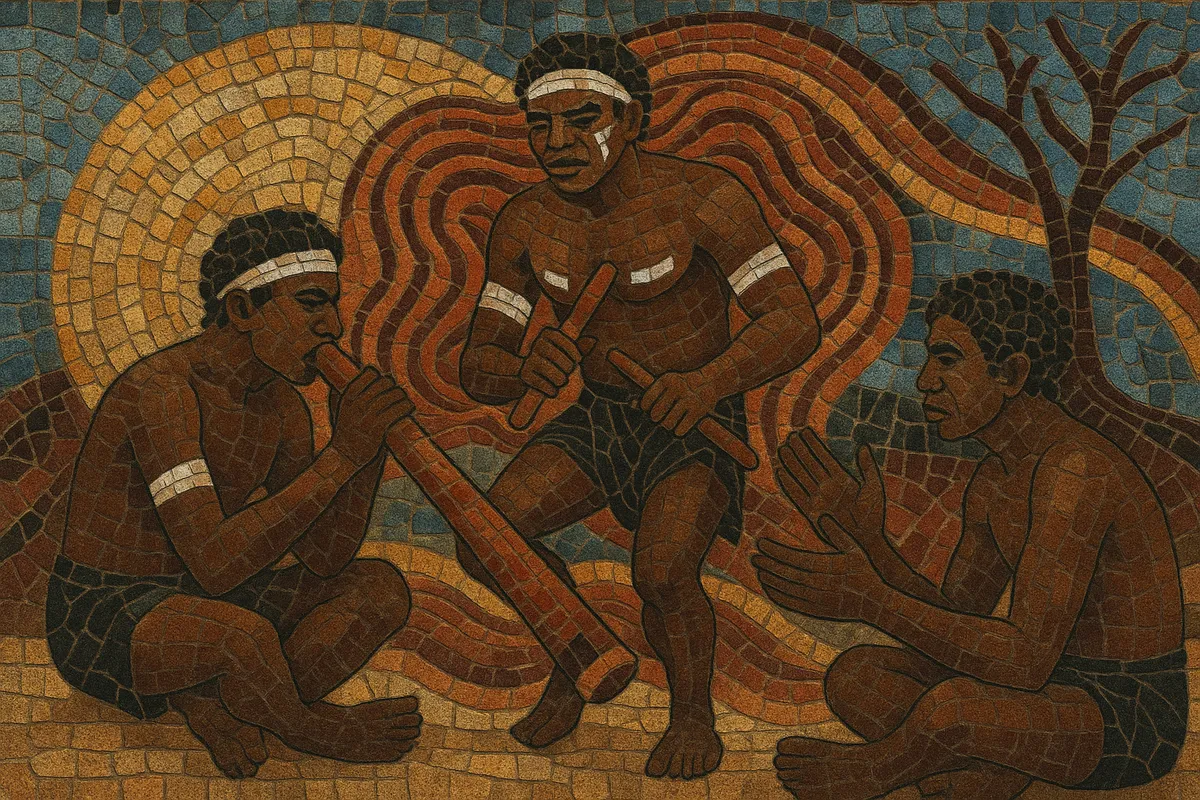
Performances typically feature a solo songman with a chorus, wooden clapsticks keeping a steady pulse, and a didgeridoo drone supporting the vocal line. Songs are closely connected to place, ancestors, and spiritual beings, and many are said to be received in dreams by recognized songmen.
Musically, wangga is built on a firm stick‑beat, an unbroken didgeridoo drone, and a lead melody that moves between sustained pitches and ornamented, often descending contours. Lyrics may include language specific to local groups, personal names, totems, and vocables; the music accompanies dance and body‑painting in ceremonial contexts such as mortuary rites and public festivals.
History
Wangga is an Aboriginal Australian ceremonial music tradition whose heartlands lie in the Daly region of the Northern Territory, with practice extending from the South Alligator River southeast toward Ngukurr, south to Katherine, and west into the Kimberley. Alongside strong associations with the Daly region, some accounts connect the style to the Yolngu peoples of Arnhem Land, reflecting historical circulation of performers and ceremonial exchange across northern Australia.
Traditionally, wangga songs are linked to country, kin, and ancestral beings. They are performed by a lead songman and chorus with clapsticks (providing a steady duple pulse) and a didgeridoo drone. The genre is integral to important public ceremonies, including mortuary rites and communal gatherings. Compositions are frequently attributed to dreams or visionary experiences, and songmen act as custodians responsible for correct performance, language, and associated dance.
Wangga is characterized by:
• A continuous didgeridoo (yidaki/mago) drone underpinning the texture • Wooden clapsticks articulating a firm, even beat • A lead vocal that alternates between sustained notes and florid lines, often concluding with descending contours • A call‑and‑response relationship between the soloist and a small chorusDespite the disruptions of colonial history, wangga has remained resilient through community transmission, recordings, and public performance. Contemporary presentations at festivals and cultural events continue to foreground its ceremonial integrity, while selective collaboration with educational and intercultural programs has introduced the music to broader audiences—always under the authority of traditional owners and songmen.