Your digging level
Description
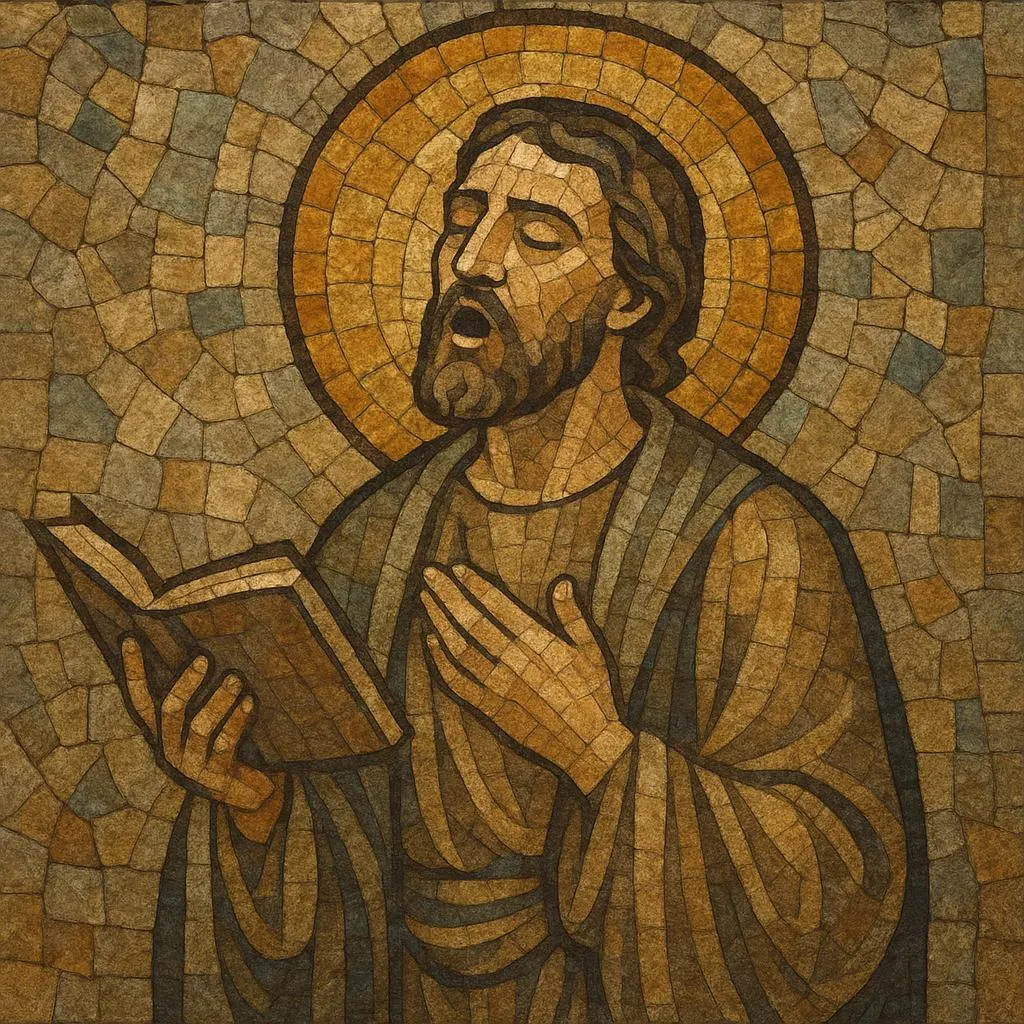
Chant is a broad type of religious or ritual song in which text is delivered in a rhythmically spoken or sung manner, usually in unison and without instrumental accompaniment. It prioritizes clarity of sacred words and speech‑like delivery over metrical regularity, harmony, or virtuosic melody.
Across cultures, chant functions as a vehicle for worship, meditation, and communal ritual. Western plainchant (often called Gregorian chant) is monophonic, modal, and largely free‑rhythmic, while other global chant traditions (Byzantine, Syriac, Jewish cantillation, Vedic, Buddhist, Qur’anic recitation) have their own modal systems, ornaments, and performance practices. What unites them is the primacy of sacred text and the shaping of musical line by the natural cadence of speech.
History
Chant predates written music and emerges wherever ritualized speech and sacred text are musically heightened. In the West, the oldest notated examples survive from the early Middle Ages, but chant practices in Jewish, Christian, Hindu, Buddhist, and Islamic contexts point to far earlier oral traditions. Common traits include monophony, text‑driven phrasing, and performance in a reverberant sacred space.
Between the late 8th and 9th centuries, the Carolingian courts helped standardize the Roman liturgical repertory, giving rise to what later came to be called "Gregorian chant." Neumatic notation (square neumes on a four‑line staff) and a system of eight church modes (with final and reciting tones) enabled transmission and pedagogy. Forms such as antiphons, responsories, alleluias, hymns, and sequences organized the liturgy. Chant became the musical foundation of Western sacred life and the springboard for early polyphony (organum), Mass cycles, and motets.
In parallel, Byzantine chant, Syriac chant, Coptic and Ethiopian (Zema) traditions, and Jewish cantillation developed distinctive modal systems and ornamentation. In South and East Asia, Vedic recitation and Buddhist chant formed highly codified vocal practices; in the Islamic world, Qur’anic recitation (tajwīd) cultivated sophisticated prosody and melodic contours, though it is not considered "music" in certain theological frameworks. Despite differences, these traditions share the centrality of sacred text, formulaic melodic patterns, and communal participation.
While polyphony flourished, chant persisted as cantus firmus and as the daily musical practice in monasteries and cathedrals. Reform and revival movements periodically refreshed performance norms. In the 19th century, the monks of Solesmes led a scholarly restoration of medieval sources, influencing Vatican editions and modern chant practice.
Recordings by monastic choirs (e.g., Solesmes; Santo Domingo de Silos) popularized chant globally. The 1990s saw a commercial "chant boom," situating plainsong in popular and ambient contexts and inspiring crossovers in new age and film music. Today, chant lives in liturgy, concert, and study, influencing choral writing, ambient and meditative genres, and historically informed performance.