Genres
Artists
Albums
Make Music
Sign in
Sign in
Artists
Doom Metal
Artists
Doom Metal
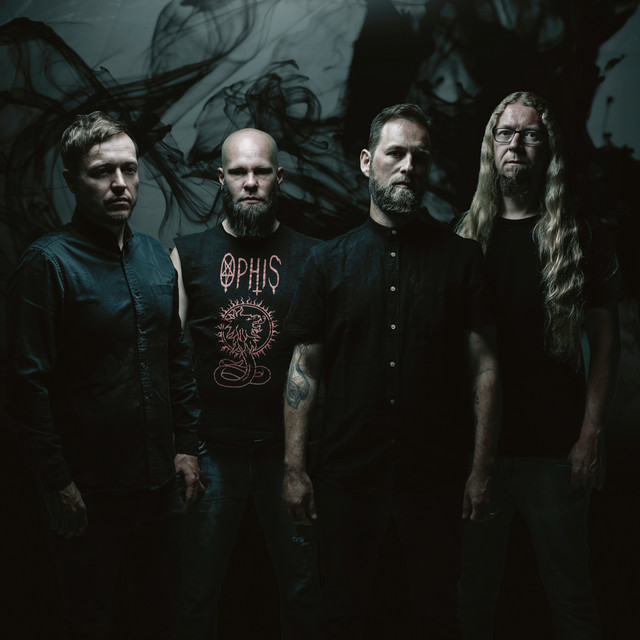
Ahab
2006
·
1 album
Listen
2
/5
Genres
Emotional Black Metal
Emotional black metal is a modern strain of black metal that foregrounds catharsis, melody, and atmosphere while retaining the genre’s intense vocal timbre and dynamic extremity. It blends tremolo‑picked guitars and blast beats with shoegaze/post‑rock textures, luminous chord voicings, and sweeping crescendos. The result is music that feels both searing and tender—balancing shrieked, aching vocals against shimmering guitar layers, reverb‑soaked ambience, and harmonic progressions that move between minor melancholy and bittersweet, uplifting turns. Lyrically, it leans into introspection: themes of grief, longing, memory, nature, and existential reflection are common. Compared to traditional second‑wave black metal, it is more emotive, more dynamically varied, and often more accessible without relinquishing visceral power.
Discover
Listen
Funeral Doom Metal
Funeral doom metal is an extremely slow, heavy, and atmospheric branch of doom metal that emphasizes vast, processional tempos, cavernous distortion, and a pervasive sense of grief and existential dread. Songs are often very long (10–20+ minutes), built from sustained power chords, sparse drum hits, and layers of organ or synth pads that evoke liturgical or funereal settings. Vocals tend to be deep growls, grave spoken passages, or distant, chant-like singing, while melodies unfold minimally over glacial harmonic movement. The production aesthetic favors expansive reverbs, long decays, and dynamic swells that create an immense, immersive sound field. Lyrically, the genre explores mortality, loss, spiritual desolation, and cosmic emptiness, often pairing its sonic weight with poetic, introspective texts.
Discover
Listen
Drone Metal
Drone metal (often called drone doom) is an extreme, minimalist offshoot of doom metal that centers on sustained tones, monumental volume, and glacial tempos. Rather than relying on riffs or conventional grooves, it foregrounds long, vibrating chords, amplifier feedback, and the physical presence of sound itself. Its textures are typically cavernous and monochromatic, with guitars tuned very low, notes held for extended durations, and percussion either sparse or entirely absent. Vocals—if present—range from ritualistic chants to guttural growls or distant murmurs, often treated as another layer of texture rather than a narrative lead. The result is immersive and meditative, yet crushing: a music of weight, space, and resonance that emphasizes timbre and decay over melody and rhythm.
Discover
Listen
Stoner Metal
Stoner metal is a heavy, riff-centered offshoot of doom metal that fuses the low-and-slow weight of early Sabbath with the hazy psychedelia and fuzz-drenched tones of 1970s hard rock. It emphasizes down-tuned guitars, thick midrange, and hypnotic, groove-forward drumming, often evoking a desert-heat mirage of sustained riffs and feedback. Compared to stoner rock, stoner metal leans darker and heavier, with a doomier pulse, longer song structures, and an almost trance-like fixation on repetition. Lyrics frequently explore cosmic wanderlust, occult imagery, apocalyptic visions, and cannabis counterculture, while production tends to favor warm, analog saturation and room-heavy drum sounds.
Discover
Listen
Death Metal
Death metal is an extreme subgenre of heavy metal defined by heavily distorted, low‑tuned guitars, rapid and complex riffing, blast beat drumming, and harsh guttural vocals. Its harmonic language favors chromaticism, dissonance, and tremolo-picked lines that create an ominous, abrasive atmosphere. Lyrically, death metal often explores dark or transgressive themes—mortality, mythology, anti-religion, psychological horror, and the macabre—sometimes with philosophical or social commentary. Production ranges from raw and cavernous to hyper-precise and technical, reflecting the genre’s many regional scenes and substyles. From the mid‑1980s Florida scene (Tampa) and parallel developments in the US, UK, and Sweden, death metal evolved into numerous branches including brutal death metal, technical death metal, melodic death metal, and death‑doom, each emphasizing different aspects of speed, complexity, melody, or heaviness.
Discover
Listen
Sludge Metal
Sludge metal is a hybrid of doom metal’s slow, downtuned weight and hardcore punk’s raw aggression. It emphasizes thick, overdriven guitar tones, throttling bass, and drums that lurch between trudging slow-motion grooves and ragged mid‑tempo blasts. Vocals are typically screamed, barked, or anguished, often buried slightly in the mix to feel abrasive and cathartic. The style took shape in the late 1980s United States—particularly the Pacific Northwest and the American South—where bands fused Sabbath‑like doom riffs with the DIY harshness of hardcore and the scabrous textures of noise rock. Lyrical themes commonly explore addiction, despair, social decay, and Southern Gothic imagery, delivered with an intentionally gritty, unvarnished production aesthetic.
Discover
Listen
Death-Doom Metal
Death-doom metal is a fusion of death metal’s extremity and doom metal’s slow, crushing weight. It pairs down-tuned, monolithic riffs and oppressive tempos with death metal features such as guttural growls, occasional double-kick bursts, and abrasive distortion. The mood is bleak and melancholic, often enhanced by minor-key harmonies, sustained chords, and sparse melodic figures. Some bands add keyboards, violin, or clean guitar interludes to deepen the sense of tragedy and atmosphere. Lyrically, it focuses on grief, mortality, desolation, and existential dread. Arrangements tend to be long-form and dynamic: glacial passages anchor the music while strategically placed surges of death-metal intensity create cathartic contrast.
Discover
Listen
Doom Metal
Doom metal is a heavy metal subgenre defined by slow to mid-tempo grooves, down-tuned, highly distorted guitars, and an atmosphere of dread, melancholy, and weight. It emphasizes ominous, minor-key riffs and sustained tones over speed or virtuosity, creating a crushing sense of space and inevitability. Vocals range from plaintive and theatrical (epic/traditional doom) to anguished wails or harsh growls (death-doom), and lyrics often explore themes of suffering, mortality, the occult, apocalyptic visions, and existential despair. Song structures are typically riff-centric and long-form, with repetition and gradual dynamic shifts producing a hypnotic, ritualistic feel.
Discover
Listen
Metal
Metal (often used to mean heavy metal in its broad, umbrella sense) is a loud, guitar-driven style of rock defined by high-gain distortion, emphatic and often martial rhythms, and a dense, powerful low end. It foregrounds riff-based songwriting, dramatic dynamics, virtuosic guitar solos, and commanding vocals that range from melodic wails to aggressive snarls and growls. Harmonically, metal favors minor modes, modal color (Aeolian, Phrygian), chromaticism, and tritone-inflected tension, while thematically it explores power, mythology, the occult, social critique, fantasy, and existential subjects. While adjacent to hard rock, metal typically pushes amplification, distortion, precision, and thematic intensity further, forming a foundation for many specialized subgenres.
Discover
Listen
Drone
Drone is a minimalist music genre defined by sustained tones, long durations, and extremely gradual change. Harmony is often static or centered on a single fundamental with subtle overtone shifts, while rhythm tends toward stasis or very slow pulses. Sound sources range from acoustic instruments (e.g., strings, organ, bagpipes, shruti box, tambura) to electronics (sine waves, oscillators, feedback, tape loops, and later digital synthesis and processing). Many composers favor just intonation or other alternative tuning systems to emphasize beating patterns, psychoacoustic effects, and the internal life of sound. Although drone as a sonic principle is ancient and global, the modern experimental genre cohered in the 1960s through the New York minimalists and related avant‑garde circles, then spread into ambient, experimental, and heavy music scenes. The focus is less on melody and more on timbre, resonance, and the phenomenology of listening.
Discover
Listen
Show all 10 genres
Albums
2006
2
/5
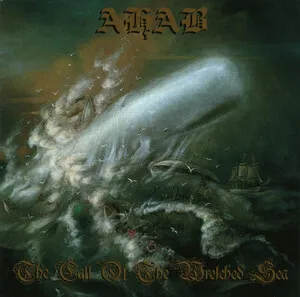
The Call of the Wretched Sea
Ahab
Funeral Doom Metal
Death Metal
Doom Metal
Similar artists
2
/5
Esoteric
Doom Metal
Funeral Doom Metal
Rock
1
/5
Thergothon
Funeral Doom
Death Metal
Doom Metal
2
/5
Bell Witch
Post-Doom Metal
Funeral Doom
Doom Metal
2
/5
Evoken
Doom Metal
Funeral Doom
Funeral Doom Metal
1
/5
Skepticism
Doom Metal
Funeral Doom Metal
Death Metal
2
/5
Mournful Congregation
Funeral Doom
Funeral Doom Metal
Progressive Doom
1
/5
Abyssal
Black Metal
Death Metal
Avant-Garde
1
/5
Bismuth
Drone Metal
Doom Metal
Drone
1
/5
Abandon
Sludge Metal
Doom Metal
Drone
2
/5
Shape Of Despair
Funeral Doom
Doom Metal
Funeral Doom Metal
Download our mobile app
Get the Melodigging app and start digging for new genres on the go
Download on the App Store
Get it on Google Play
© 2026 Melodigging
Give feedback
Legal
Melodding was created as a tribute to
Every Noise at Once
, which inspired us to help curious minds keep digging into music's ever-evolving genres.