Genres
Artists
Albums
Make Music
Sign in
Sign in
Artists
Broken Beat
Artists
Broken Beat
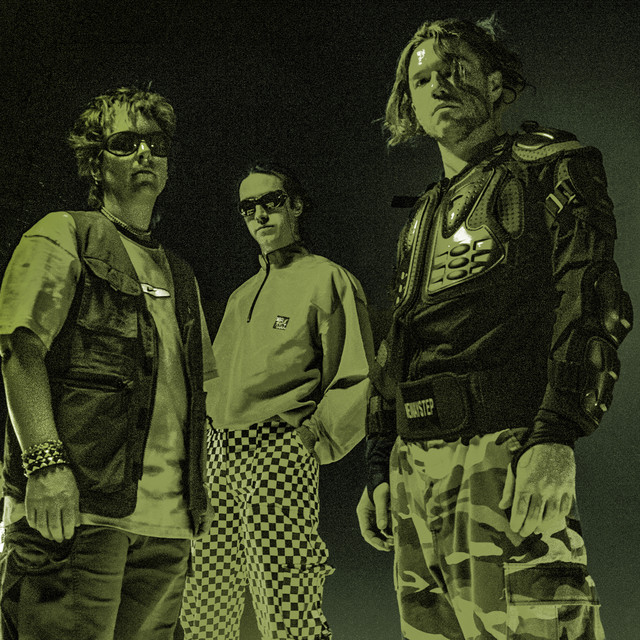
4hero
1998–2009
·
6 albums
Listen
2
/5
Genres
Erotic Product
Erotic product is a functional, mood-driven umbrella for sensual background music curated for intimate ambience—think candle-lit lounge cues, velvety downtempo grooves, and slow, sultry instrumentals designed to stay out of the way while setting a seductive tone. Stylistically it blends the silkiness of smooth jazz and lounge with the atmospheric pulse of trip‑hop, chillout, and ambient. Tempos are slow to mid-slow, bass is round and tactile, keys are warm (Rhodes, pads), and leads often come from breathy vocals, saxophone, muted trumpet, or nylon‑string guitar. Production favors soft transients, tape‑like saturation, lush reverbs, and gentle filters. The tag emerged and proliferated in the streaming era as a descriptive label used by stock/catalog producers, DSP playlist editors, and background‑music libraries to signal music optimized for romance, intimacy, massage/spa environments, and late-night listening.
Discover
Listen
Hexd
HexD is a net-native microgenre of hip‑hop and electronic music defined by extreme bitcrushing, aggressive down/upsampling, hard clipping, and compression applied to beats and especially to vocals. Tracks often feature sped‑up and pitched‑up (sometimes formant‑shifted) vocal edits over trap‑leaning drums or breakbeat fragments, creating a distorted, digital, hazy, and psychedelic texture. Many releases are edits or reworks of existing material from rap, emo rap, and digicore/hyperpop, treated as raw sound to be “hexxed” with digital artifacts. Aesthetically, the scene is tightly tied to online platforms and DIY collectives, embracing early‑web, anime, and lo‑fi internet visuals while prioritizing mood, texture, and immediacy over fidelity.
Discover
Listen
Broken Beat
Broken beat (often shortened to "bruk") is a rhythm-forward, jazz- and funk-inflected style of club music that emerged from West London. Its defining feature is a heavily syncopated, off‑kilter drum feel that fractures straight 4/4 time without abandoning dance‑floor energy. Producers combine swung, jittery percussion with warm, soulful chords, boogie/funk basslines, and frequent live instrumentation. The harmony language often borrows from jazz (extended chords, rich voicings), while the groove draws from house, drum & bass, UK garage, hip hop, and boogie. Typical tempos sit around 118–130 BPM, with pronounced swing and micro‑timing that create a lurching, propulsive pulse.
Discover
Listen
Drum And Bass
Drum and bass (DnB) is a fast, rhythmically intricate form of electronic dance music centered on breakbeats at roughly 160–180 BPM and powerful, sub‑heavy basslines. It grew out of the UK’s early ’90s rave and jungle scenes, combining chopped funk breaks (most famously the Amen break), dub and reggae sound‑system aesthetics, hip‑hop sampling, and techno’s futurist sound design. Across its many substyles—liquid funk’s soulful harmonies, techstep and neurofunk’s cold, machine‑like bass engineering, jump‑up’s hooky bass riffs, atmospheric DnB’s pads and space—drum and bass remains a DJ‑oriented, dancefloor‑driven genre that prizes tight drum programming, deep low end, and precise arrangement for mixing.
Discover
Listen
Jazzstep
Jazzstep is a subgenre of drum and bass that fuses jazz harmony, timbres, and an improvisational sensibility with the fast, syncopated breakbeats of the UK jungle/DnB continuum. Typical hallmarks include swung and ghost‑noted breakbeats at 165–175 BPM, upright or electric "walking" basslines, lush Rhodes piano or vibraphone chords, and saxophone or trumpet phrases—either sampled from classic sessions or performed anew. Harmonically, it favors extended chords (9ths, 11ths, 13ths), chromatic passing tones, blue notes, and modal colors, giving it a smooth yet propulsive, late‑night club atmosphere. Compared with adjacent styles like liquid funk, jazzstep leans more explicitly into jazz vocabulary and instrumental colors, while retaining the momentum and dancefloor architecture of drum and bass.
Discover
Listen
Jungle
Jungle is a UK-born electronic music style defined by rapid, chopped breakbeats, heavy sub‑bass, and a deep dialogue with Jamaican sound‑system culture. Typical tempos sit around 155–170 BPM, with intensely syncopated drum programming that flips funk and jazz breaks (especially the Amen, Think, and Apache breaks) into kinetic, polyrhythmic mosaics. Its sound palette blends dub’s bass weight and echo, reggae and dancehall vocal toasting, hip‑hop sampling aesthetics, and the rave/hardcore continuum’s rave stabs and euphoria. In contemporary usage, jungle is often grouped under the broader umbrella of drum and bass; historically it directly preceded and seeded mid‑1990s drum and bass and is frequently treated as an early substyle of DnB.
Discover
Listen
Nu Jazz
Nu jazz is a late-1990s movement that blends contemporary electronic production with the improvisational language and harmony of jazz. It keeps jazz’s extended chords, modal colors, and live soloing, but places them over programmed beats, sampled textures, and synth-driven arrangements. Typical tracks feature warm Rhodes or piano voicings, roomy horns, and deep bass sitting alongside house, broken beat, or downtempo grooves. The result is music that feels both club-ready and listening-focused, bridging intimate jazz sensibilities with modern electronic sound design.
Discover
Listen
Trip Hop
Trip hop is a downtempo, atmospheric fusion of hip hop rhythm and sampling techniques with the textures of dub, soul, jazz, and ambient music. Emerging from the Bristol scene in the early 1990s, it favors slow, head‑nodding breakbeats, deep bass, and cinematic sound design. The style is characterized by moody harmonies (often in minor keys), woozy tape- and vinyl-derived timbres, and liberal use of delay and reverb. Vocals frequently alternate between intimate, breathy singing and spoken word/rap, and lyrical themes tend toward noir, introspective, and melancholic subjects. Strings, Rhodes pianos, turntable scratches, and field recordings are common, creating a shadowy, filmic vibe.
Discover
Listen
Atmospheric Drum And Bass
Atmospheric drum and bass is a substyle of drum and bass that prioritizes mood, texture, and space over aggression. It blends rapid breakbeats and deep sub‑bass with lush pads, airy reverbs, and melodic motifs drawn from ambient and jazz. Typically sitting around 160–174 BPM, the style leans on classic breaks (e.g., the Amen, Think, and Apache) treated with gentle compression, filtering, and long tails of delay. Chord extensions (7ths/9ths/11ths), evolving drones, and field recordings create a cinematic, introspective feel that contrasts with the music’s propulsive rhythm section. The sound is closely associated with labels like Good Looking Records and artists who framed drum and bass as head‑music suited for both the dancefloor and deep listening.
Discover
Listen
Breakbeat Hardcore
Breakbeat hardcore is an early-1990s UK rave style that fuses hip hop-derived breakbeats with the tempo, intensity, and synth aesthetics of acid house and early techno. Typically between 140–155 BPM, it emphasizes chopped and layered drum breaks, booming sub-bass, pitch-shifted or timestretched vocals, and euphoric rave stabs. Signature sounds include the Amen/Think/Apache breaks, hoover leads from the Roland Alpha Juno, Korg M1 house pianos, orchestral hits, airhorns, and crowd‑pleasing sampled hooks. The music was designed for all-night warehouse parties and pirate radio, foregrounding ecstatic breakdowns and explosive drops that captured the hedonistic energy of the UK rave era.
Discover
Listen
Acid Jazz
Acid jazz is a groove-focused fusion that blends the rhythmic drive of 1970s funk and soul with jazz harmony, improvisation, and DJ culture. Emerging from the UK club scene in the late 1980s, it revived crate-dug "rare groove" aesthetics and reintroduced live instrumentation—Hammond organ, Rhodes, horns, and tight rhythm sections—into contemporary dance music. Stylistically, acid jazz favors mid-tempo, syncopated rhythms, vamp-based structures, extended chords, and concise solos, often paired with warm, analog-leaning production. It sits between dancefloor energy and lounge sophistication, bridging DJs, bands, and studio producers while maintaining a polished, urban, and feel-good mood.
Discover
Listen
Rave
Rave is a high-energy electronic dance music style and party culture that crystallized in the late 1980s in the United Kingdom, growing out of acid house nights and warehouse parties. Musically, it emphasizes relentless dance-floor momentum, big breakdowns and drops, bright "rave stabs" and hoover leads, chopped breakbeats or four-on-the-floor kicks, and euphoric vocal samples. While the word "rave" refers to the broader culture of all-night events, the genre tag often points to the early 1990s UK sound sometimes called hardcore rave or breakbeat hardcore: uptempo BPMs, Amen/Think breaks, 808/909 drums, M1 piano riffs, diva hooks, sirens, and airhorns. The mood ranges from ecstatic and communal to dark and intense, with DJ-friendly structures designed for long blends and peak-time rushes.
Discover
Listen
House
House is a dance music genre that emerged in Chicago in the early 1980s, defined by a steady four-on-the-floor kick drum, off-beat hi-hats, soulful or hypnotic vocals, and groove-centric basslines. Typical tempos range from 118–130 BPM, and tracks are structured in DJ-friendly 16–32 bar phrases designed for seamless mixing. Drawing on disco’s celebratory spirit, electro-funk’s drum-machine rigor, and Italo/Hi-NRG’s synth-led sheen, house prioritizes repetition, tension-and-release, and communal energy on the dancefloor. Its sound palette often includes 808/909 drums, sampled or replayed disco/funk elements, filtered loops, piano/organ stabs, and warm, jazzy chords. Over time, house diversified into many substyles—deep house, acid house, French house, tech house, progressive house, and more—yet it remains a global foundation of club culture, known for emphasizing groove, inclusivity, and euphoria.
Discover
Listen
Electronic
Electronic is a broad umbrella genre defined by the primary use of electronically generated or electronically processed sound. It encompasses music made with synthesizers, drum machines, samplers, computers, and studio/tape techniques, as well as electroacoustic manipulation of recorded or synthetic sources. The genre ranges from academic and experimental traditions to popular and dance-oriented forms. While its sonic palette is rooted in electricity and circuitry, its aesthetics span minimal and textural explorations, structured song forms, and beat-driven club permutations. Electronic emphasizes sound design, timbre, and studio-as-instrument practices as much as melody and harmony.
Discover
Listen
Show all 14 genres
Albums
2009
2
/5
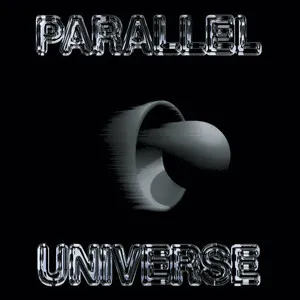
Parallel Universe
4 Hero
Atmospheric Drum And Bass
Drum And Bass
Electronic
2007
1
/5
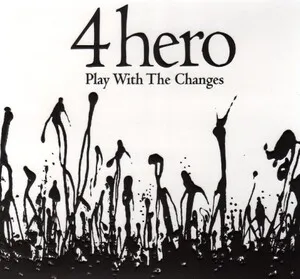
Play With the Changes
4hero
Broken Beat
2001
1
/5
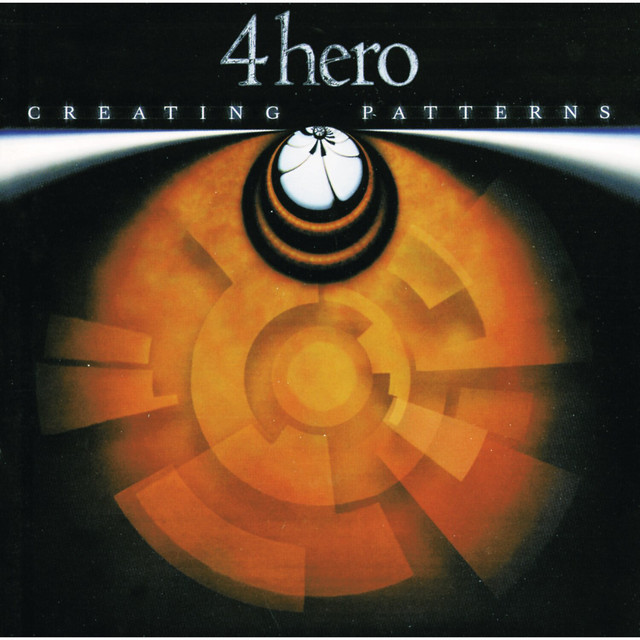
Creating Patterns
4hero
Broken Beat
2001
3
/5
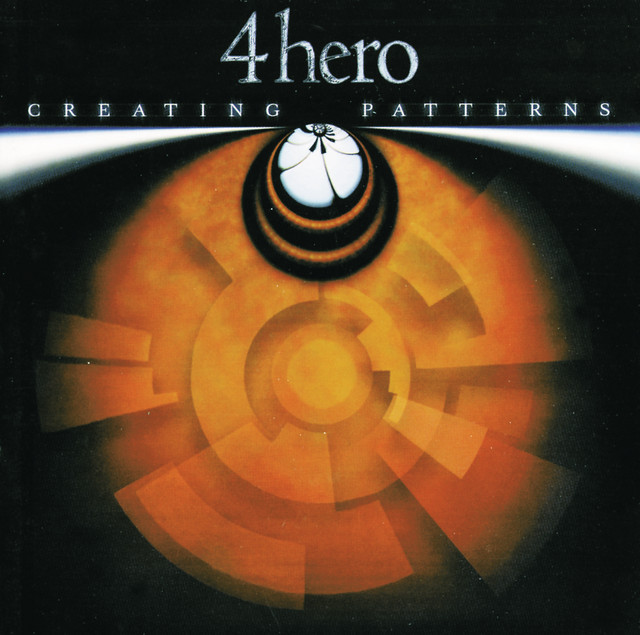
Creating Patterns
4hero
Broken Beat
1999
1
/5
Two Pages Reinterpretations
4hero
Jazzstep
1998
1
/5
Two Pages
4hero
Jazzstep
Broken Beat
Similar artists
1
/5
Various Artists
Afro-Funk
Alternative Rock
Ambient
3
/5
Makoto
Liquid Funk
Drum And Bass
Jungle
4
/5
Machine Girl
Digital Hardcore
Breakcore
Jungle
3
/5
Noisia
Drum And Bass
Neurofunk
Electronic
3
/5
Alix Perez
Halftime Dnb
Dubstep
Drum And Bass
3
/5
London Elektricity
Drum And Bass
Liquid Funk
Uk Dnb
3
/5
Black Sun Empire
Drum And Bass
Electronic
Neurofunk
2
/5
Enei
Drum And Bass
Neurofunk
Deep Drum And Bass
2
/5
Ed Rush
Drum And Bass
Neurofunk
Electronic
2
/5
Current Value
Darkstep
Neurofunk
Drum And Bass
Download our mobile app
Get the Melodigging app and start digging for new genres on the go
Download on the App Store
Get it on Google Play
© 2026 Melodigging
Give feedback
Legal
Melodding was created as a tribute to
Every Noise at Once
, which inspired us to help curious minds keep digging into music's ever-evolving genres.