Genres
Artists
Albums
Make Music
Sign in
Sign in
Artists
City Pop
Artists
City Pop
ティン・パン・アレー
2011
·
1 album
Listen
2
/5
Genres
Retro Pop
Retro pop is contemporary pop music that deliberately evokes the sound, songwriting, and studio aesthetics of earlier eras—most commonly the late 1970s and 1980s, but also the 1960s girl‑group era, 1970s disco, soft rock, and early 1990s pop-R&B. Hallmarks include analog-leaning synth textures, danceable four-on-the-floor or funky backbeats, prominent basslines, glossy chorus-heavy guitars, gated-reverb drums, stacked background vocals, and big, unforgettable hooks. While its palette looks backward, retro pop uses modern production workflows—tight low-end, streaming-friendly loudness, and contemporary vocal processing—so it feels nostalgic yet current. Lyrically, retro pop often pairs timeless pop themes (romance, yearning, nightlife, bittersweet memories) with sleek, neon-tinged imagery and cinematic nostalgia, bridging classic pop sensibilities with today’s chart expectations.
Discover
Listen
Shibuya-Kei
Shibuya-kei is a Japanese pop micro‑genre that emerged from Tokyo’s Shibuya district in the early–mid 1990s. It blends 1960s French yé‑yé, bossa nova, lounge/easy listening, baroque pop, jazz, sunshine pop, and slick city‑pop with contemporary sampling and electronic production. The style is cosmopolitan and retro‑futurist: it celebrates crate‑digging, witty pastiche, and graphic design/fashion as much as music. Songs often feature breezy melodies, airy or whispery vocals in Japanese, English, or French, and richly orchestrated arrangements that feel both nostalgic and playful.
Discover
Listen
City Pop
City pop is a sleek, cosmopolitan strain of Japanese popular music that emerged in the late 1970s and flourished throughout the 1980s. It fuses the polish of Western AOR and soft rock with funk, disco, jazz fusion, and boogie grooves, wrapping them in sophisticated harmonies and studio gloss. Built for car stereos, FM radio, and neon-lit nightlife, the style favors tight rhythm sections, lush keyboards (Rhodes, FM synths), clean chorus-laden guitars, and sax or synth leads. Lyrics often paint aspirational urban scenes—coastal highways, midnight drives, summer romance—balancing breezy optimism with a bittersweet, nostalgic hue. After a period of relative dormancy in the 1990s, city pop enjoyed a global revival in the 2010s via YouTube algorithms, online crate-digging, and sample-based microgenres, turning once-domestic hits into worldwide cult classics.
Discover
Listen
Nyū Myūjikku
Nyū Myūjikku ("New Music") is a Japanese singer‑songwriter movement that arose when artists began fusing the melodic and lyrical sensibilities of kayōkyoku with the harmony, instrumentation, and songcraft of contemporary folk and pop rock. Characterized by intimate, autobiographical lyrics, gentle yet polished arrangements, and a soft‑rock rhythm section, the style favored acoustic guitars and piano, often embellished with strings, winds, and subtle studio production. Melodies typically blend Japanese pentatonic turns with Western diatonic motion, and choruses frequently lift with modulations. The result is a modern, urbane refinement of kayōkyoku that spoke to post‑1970s youth and young adults and paved the way for J‑Pop and City Pop.
Discover
Listen
Classic J-Rock
Classic J-Rock refers to the foundational era of Japanese rock music that crystallized from the late 1960s through the 1990s. It marries Western rock idioms—British Invasion melodicism, garage urgency, hard-rock riffing, punk’s energy, and new wave polish—with the melodic sensibilities and lyrical cadences of Japanese kayōkyoku. Hallmarks include guitar-driven arrangements (often twin-guitar leads), soaring vocal hooks, tight verse–pre-chorus–chorus songcraft, concise guitar solos, key-change climaxes, and a balance between streetwise toughness and pop accessibility. While sonically diverse—from power-pop brightness to tougher hard-rock edges—Classic J-Rock maintains an emphasis on memorable choruses and an urban-youth lyrical outlook that became the template for later Japanese rock.
Discover
Listen
Kayōkyoku
Kayōkyoku is a broad umbrella of Japanese popular song that dominated the nation’s mainstream from the prewar era through the 1980s, before the term J‑pop became prevalent. It blends Western popular idioms—such as jazz, swing, tango, and later rock and roll—with Japanese melodic sensibilities and lyric themes. Stylistically, kayōkyoku favors clear, memorable melodies, polished vocal delivery, and orchestral or big‑band arrangements. Its songs often use Western song forms (AABA or verse–chorus), while retaining a distinctly Japanese emotional tone rooted in nostalgia, romance, and everyday urban life.
Discover
Listen
Albums
2011
キャラメル・ママ
ティン・パン・アレー
Classic J-Rock
Similar artists
2
/5
はっぴいえんど
Folk Rock
J-Rock
Nyū Myūjikku
3
/5
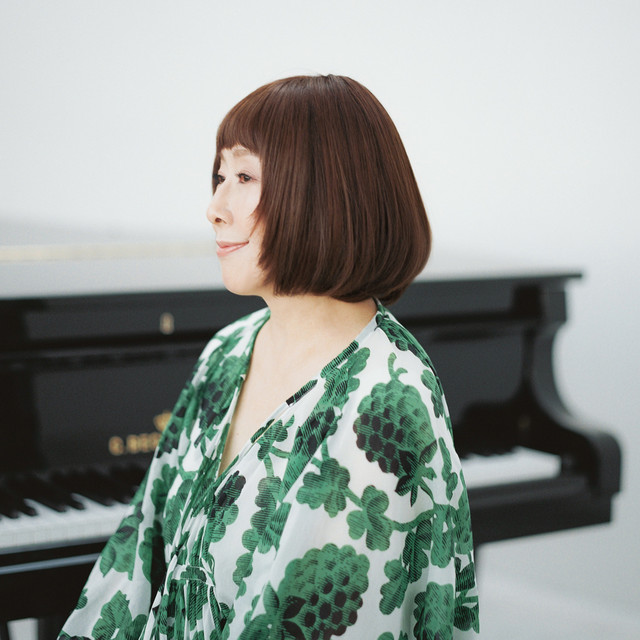
Taeko Onuki
Kayōkyoku
City Pop
Pop
3
/5
浅香 唯
City Pop
Kayōkyoku
Shibuya-Kei
2
/5
Miharu Koshi
Electronic
Synth-Pop
City Pop
2
/5
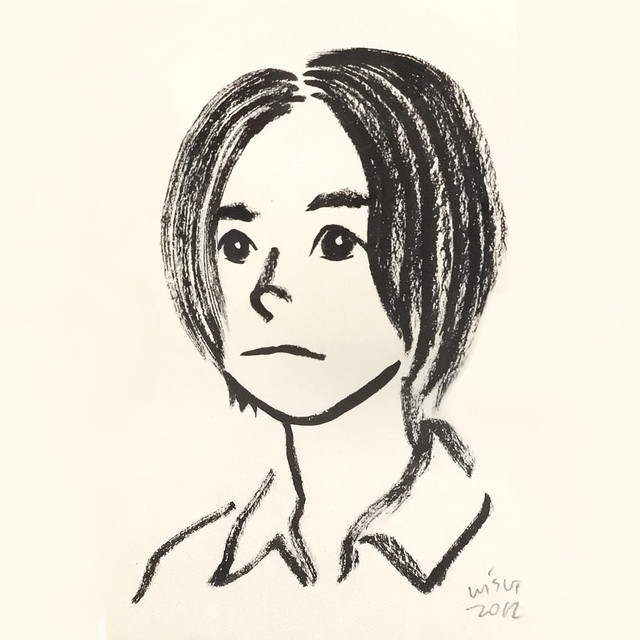
Akiko Yano
Art Pop
J-Pop
Pop
2
/5
Hiroshi Takano
City Pop
J-Pop
Kayōkyoku
2
/5
Sumiko Yamagata
City Pop
Kayōkyoku
Shibuya-Kei
1
/5
大瀧詠一
City Pop
Kayōkyoku
Shibuya-Kei
2
/5
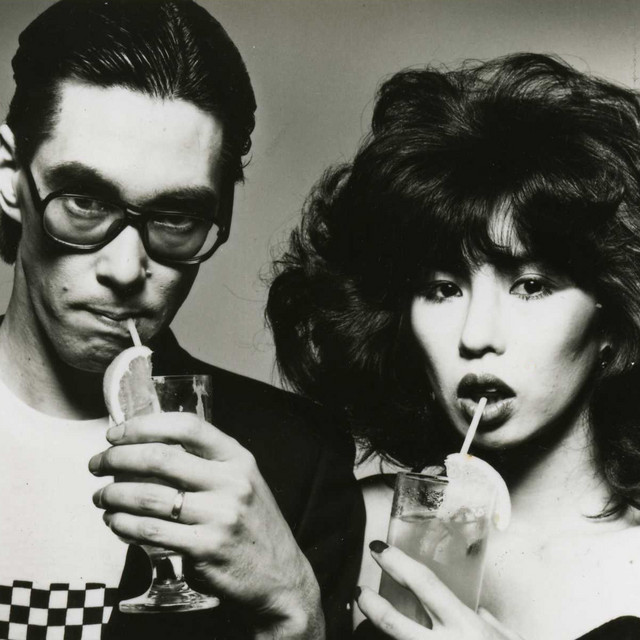
SHEENA & THE ROKKETS
Mentai Rock
J-Rock
Kayōkyoku
3
/5
Yumi Matsutoya
City Pop
J-Pop
Pop
Download our mobile app
Get the Melodigging app and start digging for new genres on the go
Download on the App Store
Get it on Google Play
© 2026 Melodigging
Give feedback
Legal
Melodding was created as a tribute to
Every Noise at Once
, which inspired us to help curious minds keep digging into music's ever-evolving genres.