Genres
Artists
Albums
Make Music
Sign in
Sign in
Artists
Khaleeji
Artists
Khaleeji
فاضل كنكوني
2001–2003
·
2 albums
Listen
1
/5
Genres
Khaleeji
Khaleeji (Khaliji) is the contemporary popular music of the Arabian Gulf, spanning Saudi Arabia, Kuwait, Bahrain, Qatar, the United Arab Emirates, and Oman. It blends deep-rooted Gulf rhythmic traditions and poetic forms with modern pop arrangement, creating a distinctly percussive, melodic, and danceable sound. Core characteristics include driving hand-drum grooves (mirwās, tabl, riqq), ornate vocal lines grounded in the Arabic maqam system (often Bayātī, Rāst, Ḥijāz, and Nahāwand), and Gulf-dialect (Nabaṭī) lyrics that balance romantic themes with imagery of desert, sea, and kinship. Since the 1980s, synthesizers, drum machines, and lush string pads have joined oud, violin, and qanun, giving Khaleeji its sleek pop sheen while preserving its rhythmic identity (samri and khaleegy dance rhythms). The result is a style that feels both traditional and modern: celebratory and suited to social dancing, yet melodically expressive and lyrically intimate.
Discover
Listen
Achomi Music
Achomi music is the traditional and contemporary music of the Achomi (Larestani/Ajami) people from southern Iran, especially the towns of Lar, Evaz, Gerash, Bastak, and Bandar Lengeh, with long-standing diasporic ties across the Persian Gulf (Bahrain, Kuwait, Qatar, the UAE, and Oman). It blends Persian modal aesthetics with coastal Bandari grooves and Gulf rhythmic sensibilities. Songs are commonly performed at weddings and community gatherings, featuring driving 6/8 rhythms, call-and-response refrains, and melismatic vocals. Lyrics are sung in the Achomi (Larestani) language—often alongside Persian—and incorporate Arabic loanwords due to maritime trade and migration. Typical instruments include dohol (bass drum), dayereh/daff (frame drum), tonbak (goblet drum), sorna or ney-jofti (double-reed), the coastal Iranian bagpipe ney-anbān, and, in modern settings, oud, violin, keyboard, and programmed percussion. Contemporary Achomi pop arrangements retain the dance-forward pulse while introducing accessible melodies and simple harmonies for festive settings.
Discover
Listen
Bandari
Bandari is a lively, dance-oriented popular/folk style from the southern coasts of Iran along the Persian Gulf. Its hallmark is a driving 6/8 (bandari) groove, accented handclaps, and exuberant call-and-response vocals. The sound is shaped by centuries of maritime exchange between southern Iran, the Arabian Peninsula, and East Africa. Traditional instruments such as ney-anban (Iranian bagpipe), ney-jofti (double reed pipe), sorna (shawm), and a family of frame and barrel drums (dammam, dohol, tombak, kesser) sit comfortably alongside electric bass, keyboards, and drum kits in modern arrangements. Melodically, Bandari navigates between Persian dastgāh aesthetics and Arabic maqām flavors (often Bayātī and Ḥijāz), yielding festive, modal tunes designed for weddings and communal celebrations. Today, Bandari exists both as a rooted regional music and as a broad dance-pop sensibility within Persian popular music, where its signature 6/8 swing powers countless party anthems.
Discover
Listen
Liwa
Liwa (Līwa) is a traditional Khaleeji music-and-dance form of African origin that took root across Eastern Arabia—especially Oman, the United Arab Emirates, Bahrain, Qatar, Kuwait, and the Eastern Province of Saudi Arabia—and also in coastal southern Iran and among the Sheedi and Baloch communities of the Makran Coast and Karachi. It is typically performed in a circle or short procession, with call-and-response singing led by a double-reed mizmar (zurna-type) and a battery of Gulf and East African–derived drums. Lyrics and refrains often alternate between Khaliji Arabic and Swahili, reflecting the genre’s Swahili Coast roots and its Gulf home. Musically, Liwa is marked by a fast compound 6/8 or driving 2/4 feel, interlocking drum patterns, and a piercing mizmar that cues dancers and singers. The style is festive and social—heard at weddings, community celebrations, and seafaring/pearl-diving commemorations—yet it also carries the memory of African–Arabian exchanges and diasporic histories.
Discover
Listen
Oyun Havasi
Oyun havası (literally “dance tune”) is a broad Turkish term for lively, groove‑driven pieces played for social dancing at weddings and festive gatherings. It is most closely associated with clarinet‑led urban/Thracian (Rumeli) and Turkish Roma (Roman) ensembles, as well as rural zurna–davul bands. Typical meters include the asymmetrical 9/8 “aksak” (especially the karşılama groupings 2+2+2+3), alongside 2/4 or 4/4 çiftetelli and occasional 6/8. Melodies often follow the makam (modal) system, with ornamented, vocal‑like phrasing and exuberant percussion patterns that keep dancers moving. Instrumentation commonly features clarinet, davul (bass drum), darbuka/tef (frame drum/riq), zurna, violin, kanun, ud, cümbüş, and bağlama. In urban settings, taksim (improvised preludes) may introduce the tune before the main dance sections. The overall feel is festive, flirtatious, and highly rhythmic, encouraging call‑and‑response energy between musicians and dancers.
Discover
Listen
Albums
2003
1
/5
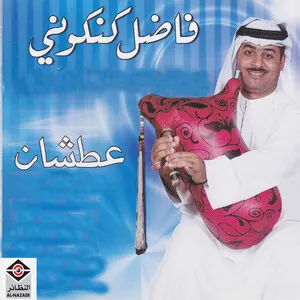
عطشان
Fadel Kankouni فاضل كنكوني
Liwa
Bandari
Achomi Music
2001
1
/5
فاضل كنكوني 2001
Fadel Kankouni فاضل كنكوني
Liwa
Achomi Music
Bandari
Similar artists
1
/5
فرقة الدانة للهبان
Khaleeji
Achomi Music
Bandari
1
/5
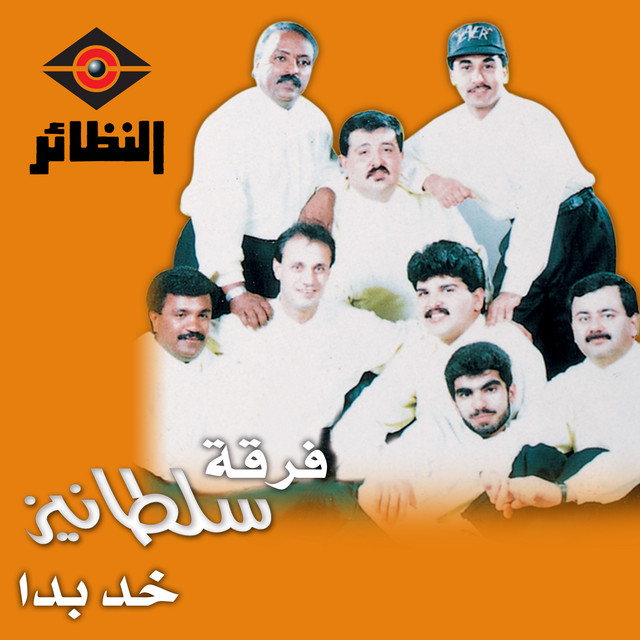
فرقة سلطانيز
Khaleeji
Achomi Music
Bandari
1
/5
Joftee
Khaleeji
Achomi Music
Bandari
2
/5
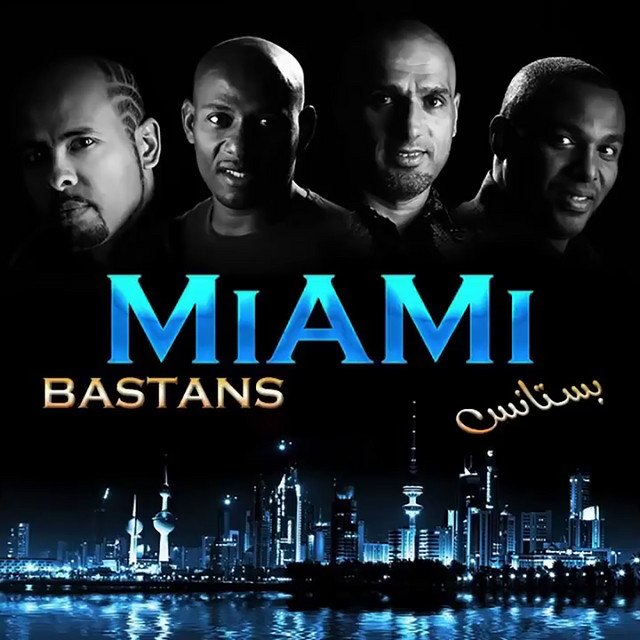
Miami Band
Khaleeji
Classic Arab Pop
Liwa
2
/5
Al Ekhwa
Khaleeji
Achomi Music
1
/5
Ali Baher
Khaleeji
Achomi Music
1
/5
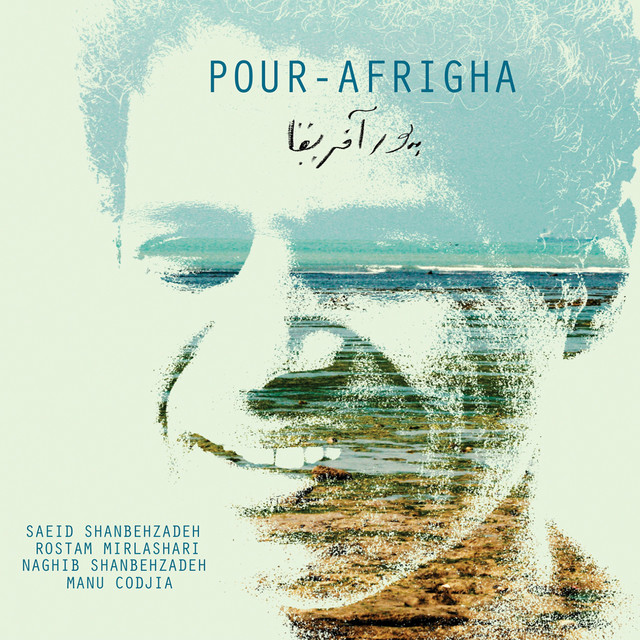
Saeid Shanbehzadeh
Achomi Music
Bandari
Persian Folk Music
1
/5
Habib Meftah
Khaleeji
Bandari
2
/5
Naghib Shanbehzadeh
Achomi Music
Bandari
Jazz
1
/5
Rostam Mirlashari
Qawwali
Sufi
Achomi Music
Download our mobile app
Get the Melodigging app and start digging for new genres on the go
Download on the App Store
Get it on Google Play
© 2026 Melodigging
Give feedback
Legal
Melodding was created as a tribute to
Every Noise at Once
, which inspired us to help curious minds keep digging into music's ever-evolving genres.