Genres
Artists
Albums
Make Music
Sign in
Sign in
Artists
J-Dance
Artists
J-Dance
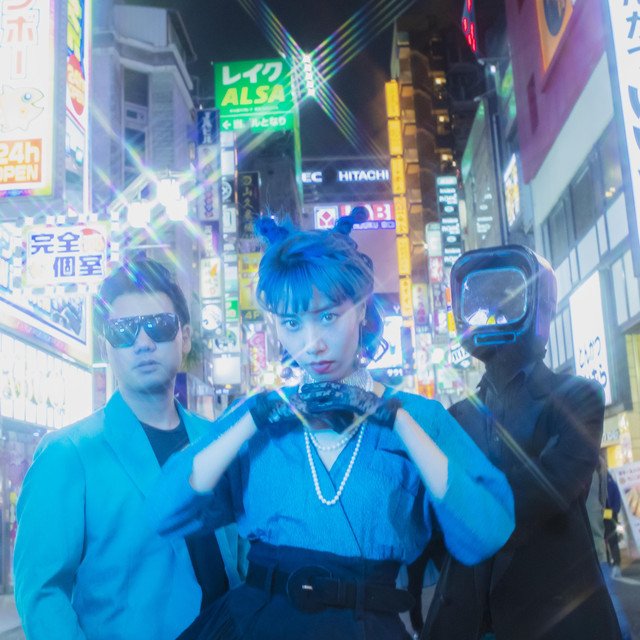
パソコン音楽クラブ
Listen
2
/5
Genres
Vaporwave
Vaporwave is an internet-born microgenre and visual aesthetic that repurposes late‑20th‑century commercial sound—mu zak, smooth jazz, soft rock, synth‑pop, city pop, and corporate training tapes—into hazy, slowed, and looped collages. Its sound foregrounds pitched‑down samples, heavy reverb, tape hiss, vinyl crackle, and dreamy pads to evoke a mood between satire and sincere nostalgia. Beyond music, vaporwave is inseparable from its graphic language: Greco‑Roman busts, Japanese text, retro operating systems, chrome logos, palm trees, neon gradients, and “mall culture” architecture. The result feels like a haunted shopping mall: part critique of consumer capitalism, part wistful memory of media and retail spaces from the 1980s–2000s. Tempos are typically slow (roughly 60–90 BPM), harmonies tend toward lush seventh and extended chords, and rhythms range from barely perceptible loops to minimal, gated drum programming. Many tracks are short, vignette‑like studies in texture and mood.
Discover
Listen
Alternative Idol
Alternative idol (often shortened to alt-idol) is a Japanese offshoot of the idol scene that fuses conventional pop-idol vocal formats and choreography with underground and left-field music aesthetics. Instead of polished, uniformly cheerful arrangements, alternative idol projects lean into punk, post-punk, noise, metal, industrial, and experimental electronics, often embracing darker themes, abrasive timbres, and performance-art sensibilities. The result preserves the immediacy, hooks, and audience participation of idols while introducing unpredictable song structures, heavier guitars, club-ready drops, screams or harsh vocals, and conceptual imagery. Visually and lyrically, alt‑idol cultivates a self-aware, sometimes subversive response to mainstream idol culture—playing with vulnerability, catharsis, and satire—yet still prioritizing big choruses, chantable hooks, and high-energy live shows.
Discover
Listen
Digital Fusion
Digital fusion blends the hardware‑limited timbres of Chiptune and Bit Music with the harmonic language and arranging scope of jazz fusion, cinematic/classical writing, progressive music, and contemporary electronic production. Producers often start with authentic chip palettes (NES, Game Boy, YM2612/Genesis, or tracker/sample-based 8/16‑bit sets), then write harmonically rich progressions, orchestrate with layered synths and sample libraries, and sometimes add live performers (saxophone, guitar, bass, drums, strings). The result feels both retro and forward‑looking: agile, rhythmically intricate, melodically ear‑catchy, and frequently “filmic” in scope. Compared with straight Chiptune, digital fusion leans harder into jazz harmony, odd meters, and cinematic development; compared with jazztronica, it keeps a stronger attachment to console/arcade sound design and tracker‑style articulation.
Discover
Listen
J-Dance
J‑dance is a Japanese strand of dance‑pop that fuses Western club styles with the songwriting, melodies, and production aesthetics of J‑pop. It emphasizes hook‑forward choruses, choreographable grooves, and glossy, radio‑ready arrangements built for both clubs and television variety shows. The sound draws heavily from Eurobeat, house, and new jack swing, later absorbing techno, electropop, and trance elements during the late 1990s and 2000s. Catchy English taglines, key‑modulated finales, and tightly structured A‑melody/B‑melody → pre‑chorus → chorus forms are common signatures.
Discover
Listen
Shibuya-Kei
Shibuya-kei is a Japanese pop micro‑genre that emerged from Tokyo’s Shibuya district in the early–mid 1990s. It blends 1960s French yé‑yé, bossa nova, lounge/easy listening, baroque pop, jazz, sunshine pop, and slick city‑pop with contemporary sampling and electronic production. The style is cosmopolitan and retro‑futurist: it celebrates crate‑digging, witty pastiche, and graphic design/fashion as much as music. Songs often feature breezy melodies, airy or whispery vocals in Japanese, English, or French, and richly orchestrated arrangements that feel both nostalgic and playful.
Discover
Listen
J-Pop
J-pop (Japanese pop) is a broad umbrella for mainstream Japanese popular music that blends Western pop/rock, dance, and R&B with distinctly Japanese songwriting, vocal delivery, and industry practices. It is characterized by strong hooks, polished production, bright synths and guitars, frequent key changes and modulatory bridges, and chorus-first or chorus-centric structures. J-pop spans idol groups, singer-songwriters, band-oriented pop-rock, electronic dance-pop, and R&B ballads, while remaining closely tied to television, advertising, video games, and anime tie-ins (anisong).
Discover
Listen
Synth-Pop
Synth-pop is a pop-oriented style that foregrounds the synthesizer as its primary instrument, often paired with drum machines and sequencers. It favors clean, melodic hooks, concise song structures, and a sleek, modernist sound that ranges from cool and minimal to lush and romantic. Emerging at the turn of the 1980s from the UK new wave and post-punk scenes, synth-pop leveraged affordable analog and then digital keyboards to bring electronic textures into the mainstream. Its sonic palette includes arpeggiated basslines, shimmering pads, bright leads, gated or machine-driven drums, and polished vocals that convey both futuristic detachment and emotional immediacy.
Discover
Listen
Show all 7 genres
Similar artists
1
/5
Various Artists
Afro-Funk
Alternative Rock
Ambient
3
/5
Perfume
Bitpop
Picopop
J-Pop
2
/5
DE DE MOUSE
Kawaii Future Bass
City Pop
Idol Game
3
/5
ぷにぷに電機
City Pop
Experimental Indie
Gaming Edm
1
/5
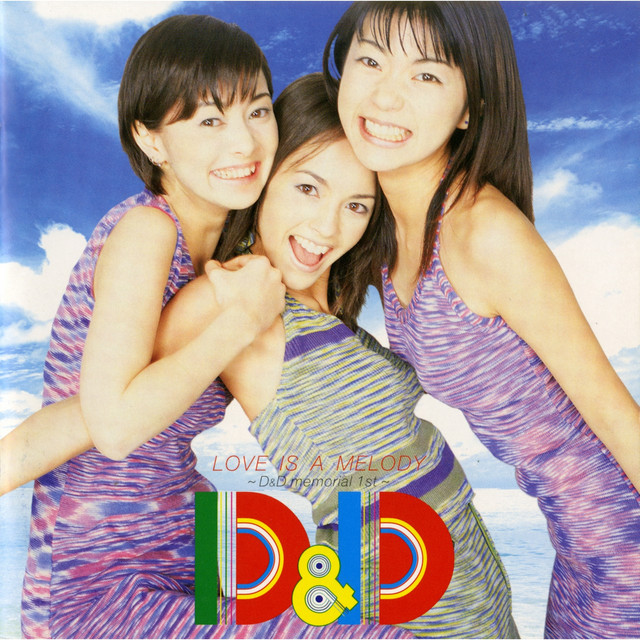
D&D
Hi-Nrg
J-Dance
Shibuya-Kei
1
/5
Tohko
J-Dance
J-Pop
Shibuya-Kei
1
/5
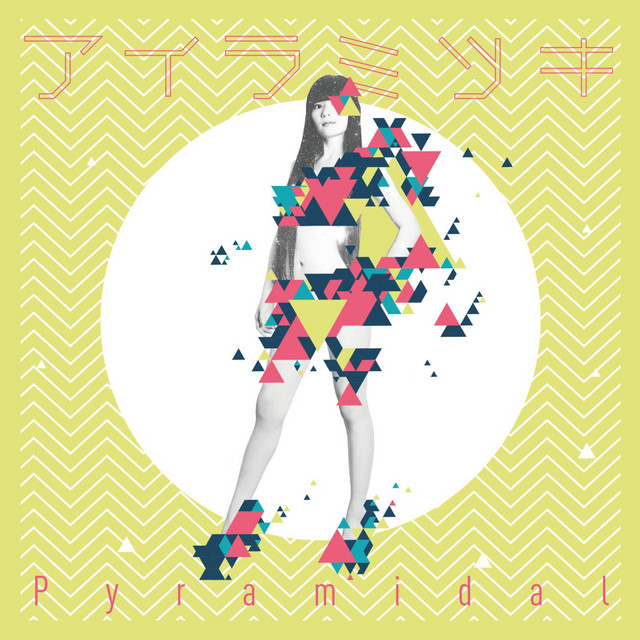
AIRA MITSUKI
J-Dance
J-Pop
Shibuya-Kei
1
/5
Faint★Star
J-Dance
J-Pop
Shibuya-Kei
3
/5
Taeko Onuki
City Pop
Pop
Electronic
1
/5
Satellite Young
Synthwave
City Pop
Vaporwave
Download our mobile app
Get the Melodigging app and start digging for new genres on the go
Download on the App Store
Get it on Google Play
© 2026 Melodigging
Give feedback
Legal
Melodding was created as a tribute to
Every Noise at Once
, which inspired us to help curious minds keep digging into music's ever-evolving genres.