Genres
Make Music
Artists
Albums
Challenges
Sign in
Sign in
Albums
By Nico
Albums
By Nico
The Velvet Underground & Nico
March 12, 1967
Listen
2
/5
Genres
Mahō Shōjo
Mahō shōjo ("magical girl") is a Japanese media genre whose stories center on a girl or group of girls who gain magical powers, often through a pact or contract with a supernatural being, and use those powers to balance everyday life with heroic responsibility. Musically, the genre’s sound world is defined by bright, hook‑forward anison (anime song) aesthetics, idol‑style pop choruses, and transformation themes that blend orchestral sparkle (strings, brass, chimes, glockenspiel) with synths and rock rhythm sections. Openers and endings are typically high‑energy J‑pop tailored for dance routines and call‑and‑response, while background scores alternate between whimsical slice‑of‑life cues and triumphant, leitmotivic battle music. Darker deconstructions of the genre (e.g., psychological or tragic storylines) shift toward minor modes, choral textures, and dramatic harmony while retaining recognizably “magical girl” thematic signifiers.
Discover
Listen
Art Rock
Art rock is a branch of rock music that treats the studio and the album as spaces for artistic experimentation, emphasizing conceptual ideas, ambitious arrangements, and cross-pollination with modernist and avant-garde traditions. It typically favors extended song forms, thematic or conceptual unity, and non-standard instrumentation (strings, woodwinds, synthesizers) alongside rock’s core band setup. Lyrically, it leans toward literary, surreal, or philosophical subjects and often adopts theatrical presentation. Where mainstream rock centers on immediacy and hooks, art rock embraces risk: unusual time signatures, timbral exploration, complex harmony, tape and electronic manipulation, and interludes that draw from classical, jazz, minimalism, and experimental music.
Discover
Listen
Experimental Rock
Experimental rock is a broad, exploratory branch of rock music that prioritizes innovation over convention. It stretches rock’s core instrumentation and song forms through unusual timbres, extended techniques, nonstandard tunings, chance procedures, and studio-as-instrument production. Drawing on avant-garde composition, free jazz, minimalism, and electronic/tape music, experimental rock often rejects verse–chorus structures in favor of drones, suites, collage, and improvisation. It embraces dissonance and noise as expressive tools, employs odd or fluid meters, and incorporates non-rock instruments, found sounds, and unconventional recording methods. The result is a lineage of music that treats rock not as a fixed style but as a laboratory for new sound worlds.
Discover
Listen
Rock
Rock is a broad family of popular music centered on amplified instruments, a strong backbeat, and song forms that foreground riffs, choruses, and anthemic hooks. Emerging from mid‑20th‑century American styles like rhythm & blues, country, and gospel-inflected rock and roll, rock quickly expanded in scope—absorbing folk, blues, and psychedelic ideas—while shaping global youth culture. Core sonic markers include electric guitar (often overdriven), electric bass, drum kit emphasizing beats 2 and 4, and emotive lead vocals. Rock songs commonly use verse–chorus structures, blues-derived harmony, and memorable melodic motifs, ranging from intimate ballads to high‑energy, stadium‑sized performances.
Discover
Listen
Paint-On-Glass Animation
Paint-on-glass animation is a frame-by-frame animation technique in which an artist manipulates wet media (typically oil paint, gouache, or acrylics kept workable with additives) directly on panes of glass placed under a camera. Each incremental change is photographed, creating fluid, painterly motion when played back. Because the artwork is reworked continuously on the same surface (often on multiple layers of glass for depth), the results feature dissolving shapes, smudged transitions, and rich color blending that are difficult to achieve with cels or digital tools. The method is slow and highly artisanal, but prized for its dreamlike, impressionistic look.
Discover
Listen
Kalanta
Kalanta (κάλαντα) are Greek carols traditionally sung on the eves of Christmas, New Year, and Epiphany. The repertoire comprises distinct songs for each feast: Nativity kalanta celebrate Christ’s birth, New Year’s kalanta invoke St. Basil, and Epiphany kalanta recount the Baptism of Christ. Etymologically, the term derives from the Latin calendae (first day of the month), reflecting pre‑Christian calendrical customs that were later absorbed and reshaped during the Byzantine period. In practice, children (and sometimes youth choirs) go door‑to‑door, asking “να τα πούμε;” (“shall we sing them?”) and perform with light percussion—most famously a small metal triangle—sometimes joined by santouri, laouto, or regional folk instruments. Householders respond with treats or coins, a custom that has shifted from sweets to monetary gifts in recent decades. Kalanta exhibit rich regional variation (islands, mainland, and diaspora communities), but share a simple, processional melodic profile, memorable refrains, and lyrics offering blessings and prosperity to the household. Signature pieces include the Christmas "Καλήν εσπέραν, άρχοντες" and the New Year’s "Αρχιμηνιά κι Αρχιχρονιά."
Discover
Listen
Similar albums
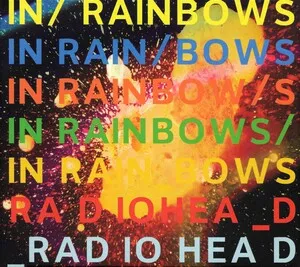
2007
In Rainbows
Radiohead
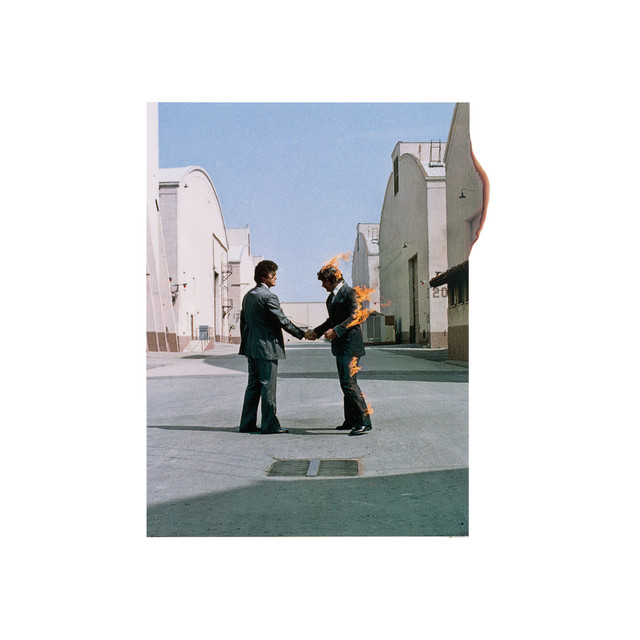
1975
Wish You Were Here
Pink Floyd
1972
The Rise and Fall of Ziggy Stardust and The Spiders From Mars
David Bowie
2000
Kid A
Radiohead
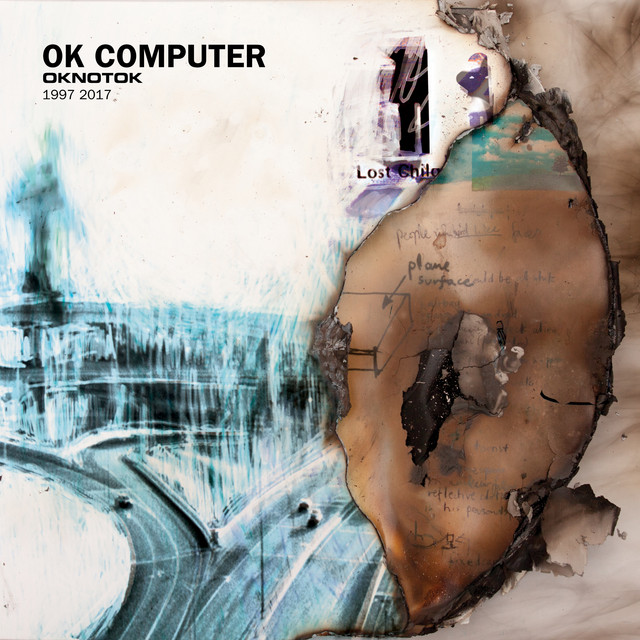
2017
OK Computer
Radiohead
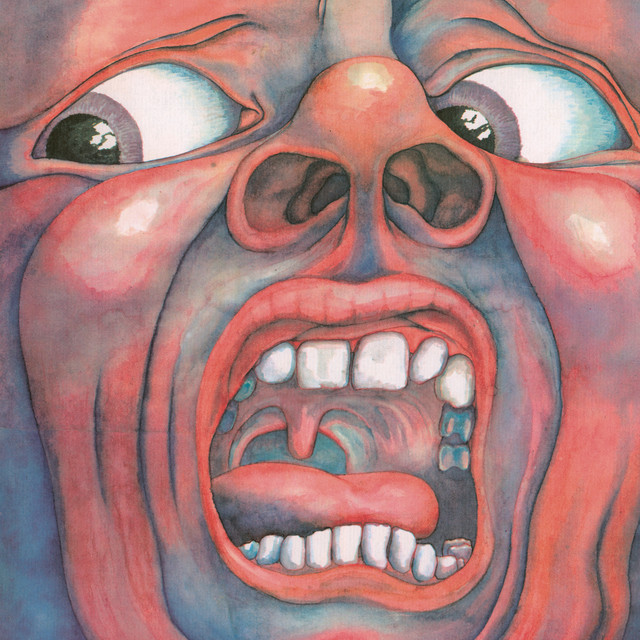
1969
In the Court of the Crimson King
King Crimson
1977
Animals
Pink Floyd
1974
Red
King Crimson
1969
Abbey Road
The Beatles
1986
The Queen Is Dead
The Smiths
Download our mobile app
Get the Melodigging app and start digging for new genres on the go
Download on the App Store
Get it on Google Play
© 2026 Melodigging
Give feedback
Legal
Melodding was created as a tribute to
Every Noise at Once
, which inspired us to help curious minds keep digging into music's ever-evolving genres.